
Aluminum Spreader Roller Manufacturer in India
Custom Aluminum Spreader Rollers for Industrial Web Handling Applications
In continuous web-handling operations, even minor wrinkles can ruin entire production runs, damage downstream equipment, and cause costly material waste. Siva Rollers manufactures precision-engineered Aluminum Spreader Rollers designed to smooth out flexible films, paper webs, laminates, and textiles before printing, coating, slitting, or rewinding.
SIVA ROLLERS (SIVA ENGINEERING WORKS) supplies industrial roller solutions for manufacturing applications from its base in Vatva GIDC, Ahmedabad, Gujarat, India. An Aluminum Spreader Roller is used in suitable web-handling arrangements where flexible materials need controlled spreading or presentation as they move through a production line.
Built from high-grade extruded aluminum and balanced for stable operation, our industrial spreader rollers ensure smooth, uniform lateral web expansion without stretching or distorting delicate materials.
If you are looking for an Aluminum Spreader Roller Manufacturer for a new machine, an OEM requirement or a replacement application, Siva Rollers can discuss your requirements based on the available product range and technical details you provide.
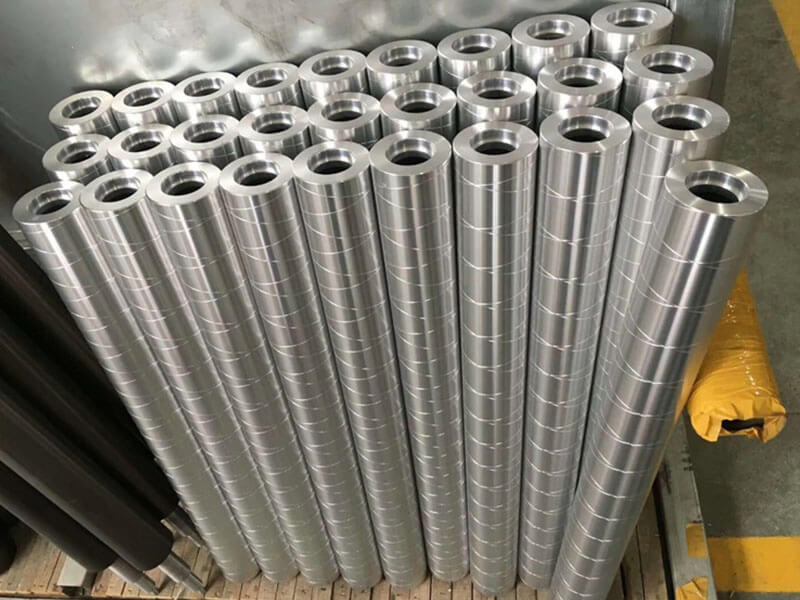
What Is an Aluminum Spreader Roller?
An Aluminum Spreader Roller is an industrial roller with an aluminium body designed for a spreading function in a suitable web-handling system. It is intended for applications where a moving film, fabric, paper web or another flexible substrate requires controlled presentation across its width.
The spreading action depends on the roller’s actual construction, surface geometry and position in the machine. A standard cylindrical aluminium roller does not automatically perform the same function as a purpose-designed spreader roller.
Aluminium is considered in roller applications because it has a relatively low density compared with steel. However, the suitable material and construction depend on the mechanical load, roller dimensions, rotational requirements, surface contact and operating environment.
For industrial buyers, the important consideration is whether the roller design matches the production process. Selecting a roller based only on its material or outside diameter may not address the actual web-handling requirement.
How a Spreader Roller Supports Material Movement
Flexible materials do not always travel through a machine in a perfectly flat and consistent condition. Small differences in tension, alignment, material properties or roller condition can affect how a web moves through the production line.
A suitable spreading arrangement helps manage the material’s movement across its width. The objective is to support the requirements of the process rather than simply to install a new roller.
Supporting web flatness
Wrinkles and folds can interfere with subsequent operations, particularly when the material must pass through a controlled printing, coating, laminating or finishing stage. A correctly selected spreading roller may help address web-flatness issues when the cause is related to the spreading arrangement.
However, not every wrinkle originates from the spreader roller. Material variation, uneven tension, incorrect alignment and other machine conditions may also contribute to the problem.
Helping maintain consistent material presentation
When flexible material enters a processing stage unevenly, the resulting condition may affect the next operation. The role of the roller should therefore be considered in relation to the complete material path.
A buyer should identify where the problem appears, whether it occurs continuously or intermittently, and whether it affects the centre, edges or entire width of the web. This information helps establish what the replacement roller is expected to do.
Supporting production-line requirements
A roller must suit the operating conditions of the machine in which it is installed. The material, contact conditions, installation arrangement and intended function all influence product selection.
For this reason, choosing an industrial aluminum spreader roller should involve more than comparing product names or external appearance. The application should guide the enquiry.
Industry Applications & Machine Integration
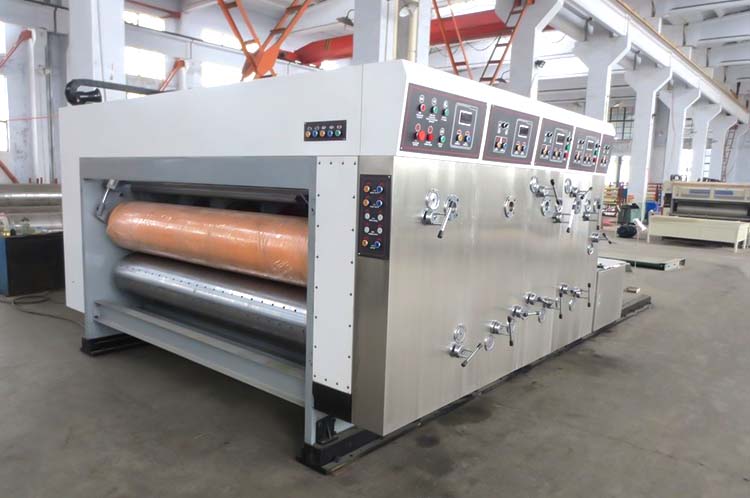
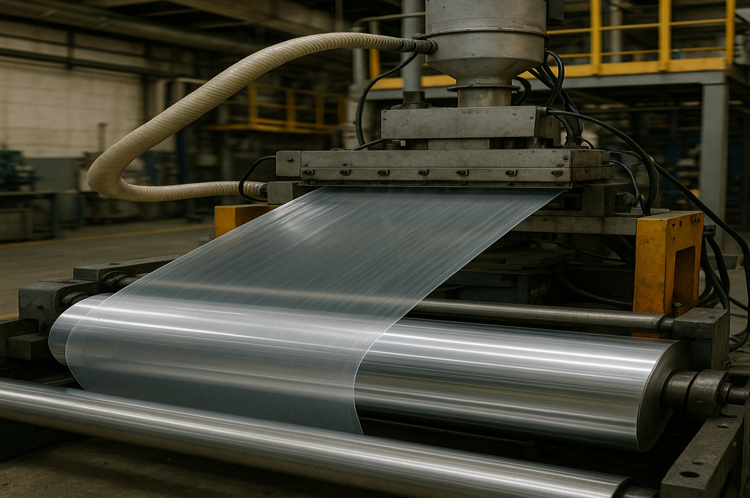
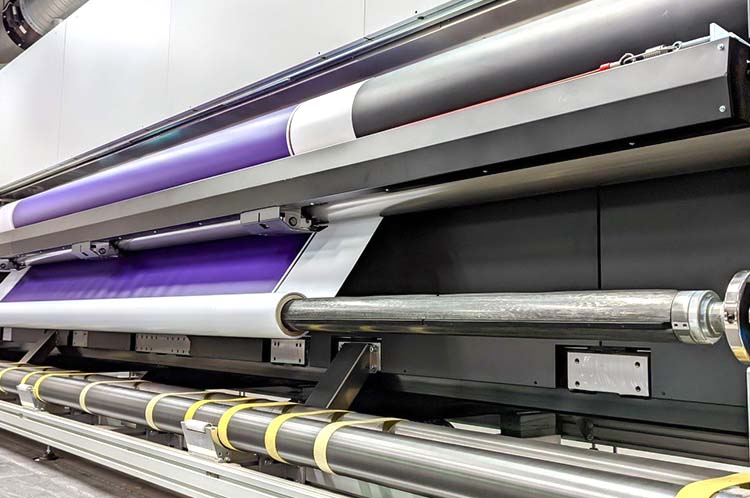
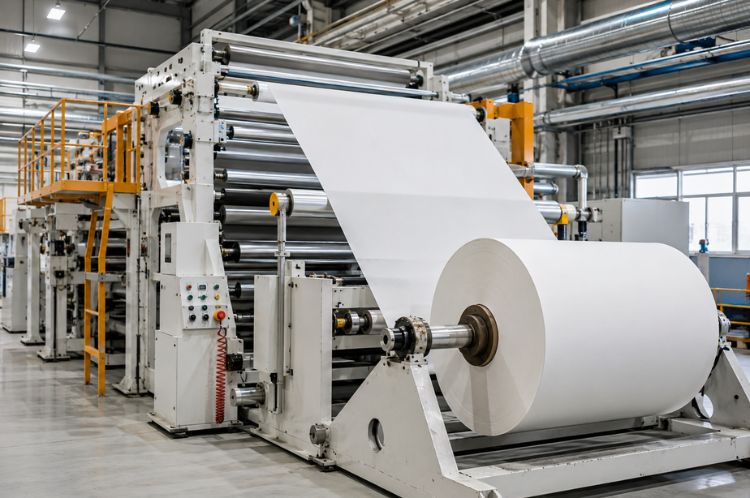
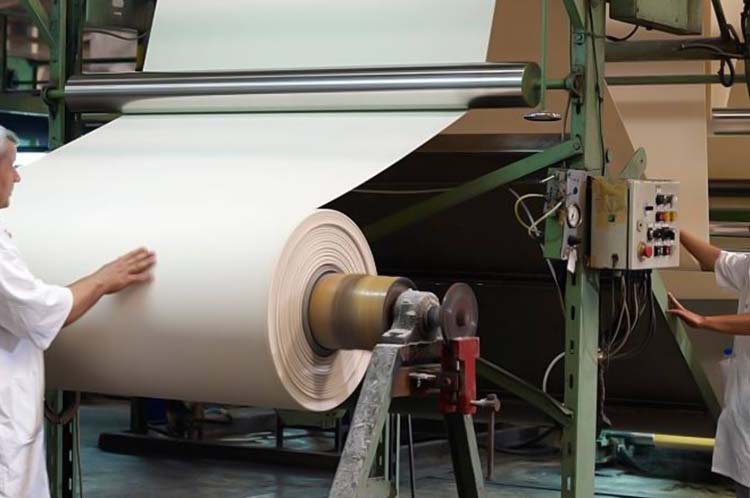
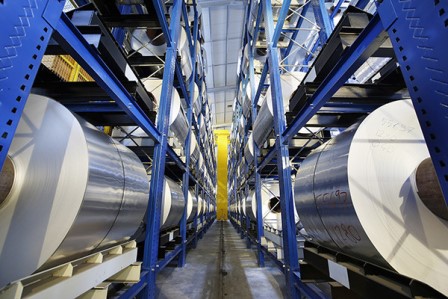
Siva Rollers manufactures custom aluminum spreader rollers for a broad spectrum of industrial machinery across India and global converting markets.


Engineering & Custom Enquiry Process
Siva Rollers operates manufacturing facilities in Ahmedabad, Gujarat—a major industrial machinery and converting hub in India. We supply custom industrial rollers to original equipment manufacturers (OEMs), converting plants, printing presses, and textile facilities across India and international markets.
Whether you require a direct replacement for an existing machine roller or engineered components for a new production machine, our team supports you through every step:
+------------------------+      +------------------------+      +------------------------+
| 1. Submit Technical    | ---> | 2. Engineering         | ---> | 3. Technical Proposal  |
|    Enquiry & Drawings  |      |    Evaluation          |      |    & Commercial Quote  |
+------------------------+      +------------------------+      +------------------------+
                                                                             |
+------------------------+      +------------------------+                   |
| 5. Quality Inspection  | <--- | 4. Precision           | <-----------------+
|    & Fast Delivery     |      |    Manufacturing       |
+------------------------+      +------------------------+
Step 1: Submission of Machine Requirements
Share your roller dimensions, existing engineering drawings, or machine operational challenges with our sales team via email or our online enquiry form.
Step 2: Technical & Dimensional Review
Our technical team evaluates the web width, operating speed, tension constraints, and space clearance within your machine frame to confirm structural suitability.
Step 3: Formal Proposal & Quote
You receive a clear, itemized commercial quotation detailing material specifications, machining steps, pricing, and estimated dispatch schedules.
Step 4: Precision Machining & Assembly
Using high-grade structural aluminum tubing, shaft steel, and precision bearings, your rollers are turned, grooved, assembled, and dynamically verified for true concentric runout.
Step 5: Inspection & Safe Dispatch
Every roller undergoes dimensional, surface finish, and dynamic rotation checks before protective packaging and dispatch to your facility.
Frequently Encountered Web Handling Challenges & Spreader Roller Solutions
To help plant operators and maintenance engineers identify line issues, here is how aluminum spreader rollers address common web flow problems:
Problem 1: Center Creases and Longitudinal Wrinkles
- Root Cause: Uneven lateral tension or thermal sagging across wide web widths.
- Aluminum Spreader Solution: As material travels over the opposing left-and-right spiral surface grooving, the mechanical outer vector force gently stretches the material outward toward the edges, flattening center creases instantly.
Problem 2: Scratching and Scuffing on Thin Films
- Root Cause: Heavy steel rollers create high friction drag, causing the roller to lag or freeze relative to the moving web speed.
- Aluminum Spreader Solution: The lightweight aluminum shell reduces inertia, allowing the roller to rotate freely in sync with low-tension web lines without causing surface friction marks.
Problem 3: Air Entrapment at High Line Speeds
- Root Cause: Fast-moving webs carry a boundary layer of air that gets trapped between the smooth roller surface and the film, causing floating and web slippage.
- Aluminum Spreader Solution: Precision-machined face grooves provide vent channels that allow trapped air to escape laterally, preserving stable traction between web and roller surface.
How to Choose the Right Aluminum Spreader Roller
A useful roller enquiry gives the supplier enough information to understand the application and determine which details need further confirmation.
1. Identify the material being processed
Explain whether the machine handles film, fabric, paper or another flexible web. Where relevant, identify the material type and any handling concerns, such as wrinkling, surface marking or uneven movement.
Material information provides context for evaluating the roller’s intended role.
2. Explain the roller’s function
Describe what the existing roller does in the machine. For example, clarify whether it is intended to spread the web, guide material along its path or perform another function.
If you are unsure about the exact function, photographs or a machine drawing may help communicate the arrangement.
3. Share the existing installation details
Where available, provide the existing roller drawing, dimensions, photographs, identification markings and relevant machine information.
These details can help establish whether the enquiry concerns a direct replacement or a different roller design. Any final dimensional or construction requirements should be confirmed with the supplier before an order is placed.
4. Describe the operating problem
If the enquiry is prompted by a production issue, explain what happens during operation. Mention where the problem occurs, when it started and whether any changes have been made to the machine or material.
This information helps separate a product replacement requirement from a broader web-handling problem that may need additional investigation.
5. Confirm the intended application before ordering
Do not rely on the product name alone when placing an order. Confirm the roller type, installation requirements and any necessary construction or surface details with the supplier.
For OEMs and machinery manufacturers, sharing the intended machine application at the enquiry stage can help establish the requirements for a new component. For maintenance teams, the same approach can reduce uncertainty when sourcing a replacement.
Why Discuss Your Roller Requirement with Siva Rollers?
Siva Rollers, operating as Siva Engineering Works, is an industrial roller manufacturer based in Vatva GIDC, Ahmedabad, Gujarat, India. Its website includes Aluminium Spreader Rollers in its textile-industry product listing, alongside other industrial roller categories.
For buyers, the starting point is a clear discussion of the application. Whether you are sourcing a replacement for existing equipment or evaluating a roller for a new machine, the product requirement should be based on the intended function and installation rather than a generic product description.
When contacting Siva Rollers, share the following information where available:
- Your industry and the material handled by the machine.
- The purpose and position of the roller in the production line.
- Details or photographs of the existing roller.
- Available drawings or installation dimensions.
- The production problem, if you are replacing a roller because of a specific issue.
- Any known requirements that the replacement must meet.
Providing this information at the beginning helps make the enquiry more specific. It also allows outstanding questions about design, compatibility and construction to be identified before the order is finalised.
Siva Rollers can be contacted through its website or directly using the contact details below.
Request an Aluminum Spreader Roller Enquiry
Looking for an aluminum spreader roller for film handling, textile processing or another suitable web-based application?
Contact Siva Rollers with your application details to discuss the product requirement. If you are replacing an existing component, include a photograph or drawing wherever possible. If the enquiry is for new equipment, explain the material-handling process and the roller’s intended function.
Share your roller requirement to start a product enquiry and confirm the suitability of the proposed roller for your application.
FAQs
An Aluminum Spreader Roller is an industrial roller used in suitable web-handling systems to help spread or manage the presentation of flexible materials as they move through a production line. Its application depends on the roller design, material being processed and machine arrangement.
Aluminum Spreader Rollers are used in suitable industrial applications where flexible materials need controlled spreading or presentation during processing. Depending on the machine setup, they may be considered for applications involving film, fabric, paper and other web materials.
Aluminum Spreader Rollers may be used in suitable textile processing, plastic film handling, printing, converting and paper-related applications. The correct roller depends on the material, machine configuration and intended web-handling function.
To select a suitable Aluminum Spreader Roller, identify the material being processed, the roller's intended function and its position within the machine. Share available dimensions, photographs, engineering drawings and details of the production issue with the manufacturer to help evaluate the requirement.
A guide roller primarily directs or supports the material path through a machine, while a spreader roller is intended to perform a spreading function in a suitable web-handling arrangement. The actual function depends on the roller's construction and how it is installed.
A suitably designed spreader roller may help address certain web wrinkles when the spreading arrangement contributes to the problem. However, wrinkles can also result from uneven tension, misalignment, material characteristics or other machine conditions. The cause should be evaluated before selecting a replacement roller.
Aluminum Spreader Rollers may be considered for plastic film processing where the machine requires a suitable spreading function. The roller's design and suitability should be evaluated according to the film, production process and existing web-handling arrangement.
Yes, Aluminum Spreader Rollers may be suitable for textile processing applications that require a spreading function. The appropriate roller depends on the fabric, machine arrangement and intended operation. Buyers should share these details when discussing a product requirement.
Aluminium has a relatively low density compared with steel, which can make it a useful material for certain industrial roller applications. However, the appropriate roller material depends on the intended function, operating conditions, construction requirements and machine compatibility.
When requesting an Aluminum Spreader Roller, provide the intended application, material being processed, available roller dimensions, photographs or engineering drawings, and relevant machine details. If you are replacing an existing roller, explain the problem that led to the replacement. This information helps clarify the product requirement.
SIVA ROLLERS (SIVA ENGINEERING WORKS) is based in Vatva GIDC, Ahmedabad, Gujarat, India. Industrial buyers can contact the company to discuss their Aluminum Spreader Roller requirements, share available application details and clarify the next steps for a product enquiry.
To request a quotation, contact SIVA ROLLERS (SIVA ENGINEERING WORKS) through its website, email or phone. Share your application details, existing roller dimensions or drawings where available, and the intended machine function. The team can then discuss the requirement and the information needed to proceed with a quotation.