
Calender Rollers for Plastic & PVC Industry
Industrial Calender Rollers for Plastic Sheet and Film Manufacturing
In the continuous extrusion and calendering of thermoplastic materials, the precision of your roller train dictates the structural integrity, surface optical clarity, and thickness tolerance of your end product. As a premier calender roller manufacturer, Siva Rollers designs and builds heavy-duty calender rollers for plastic industry applications where micron-level tolerance, uniform dynamic load distribution, and precise surface temperatures are non-negotiable requirements.
Whether your production facility extrudes rigid PVC sheets, flexible vinyl films, blown film substrates, or multi-layer technical laminates, minor variations in roller surface finish, crown profile, or heat transfer balance cause expensive quality rejections. Uncontrolled roller deflection creates center-to-edge gauge variations, poor roll balance induces chatter marks, and inconsistent thermal distribution leads to material sticking or surface stress marks.
Siva Rollers delivers heavy-duty, engineered PVC calender rollers designed specifically to eliminate structural deflection, streamline heat exchange, and maintain immaculate surface finishes during high-tonnage continuous calendering.
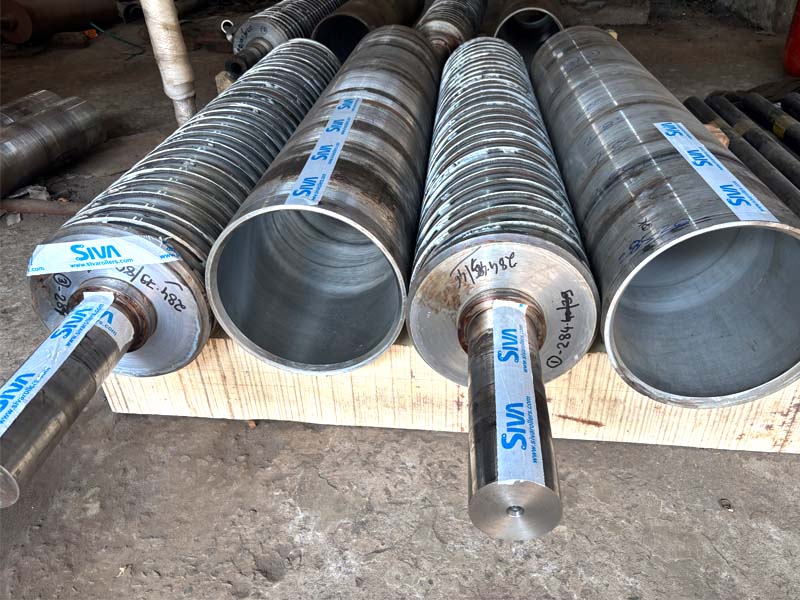
What Are Calender Rollers in Plastic Processing?
Calender rollers are used in calendering systems that process plastic material through a series of rolls. Depending on the production process, the material passes between rollers to help form, smooth, consolidate or finish a sheet or film.
The rollers are important because they provide the contact surfaces through which the material is processed. Their condition, surface characteristics and suitability for the application can influence the consistency of the production process and the appearance of the finished material.
In plastic and PVC manufacturing, calender rollers are relevant to applications involving flexible films, rigid or semi-rigid sheets, and other calendered plastic products. The exact roller requirements depend on the material formulation, machine design, operating conditions and final product expectations.
A roller suitable for one application may not automatically be appropriate for another. Manufacturers should therefore consider the complete processing requirement rather than selecting a roller based only on its general product category.
For industrial buyers, this means evaluating the roller as an important part of the production system, not simply as a replaceable machine component.
The Critical Role of Calender Rollers in Modern Polymer & PVC Manufacturing
Plastic and PVC calendering requires running polymer melts through a sequence of heated, counter-rotating precision cylinders under extreme hydraulic pressures. The primary objective is converting molten polymer into continuous film, foil, or rigid sheet with exact thickness parameters and defined surface properties.
 [ Polymer Melt Feed ]
                           │
                           ▼
                 ┌──────────────────┐
                 │  Top Roll (T1)   │ ◄── Thermal Conditioning & Rough Gauge
                 └─────────┬────────┘
                           │  (High Hydraulic Pressure Nip)
                 ┌─────────┴────────┐
                 │ Center Roll (T2) │ ◄── Precision Gauge & Surface Texture
                 └─────────┬────────┘
                           │  (Controlled Friction & Tension)
                 ┌─────────┴────────┐
                 │ Bottom Roll (T3) │ ◄── Final Surface Polish & Cooling
                 └─────────┬────────┘
                           │
                           ▼
           [ Flawless Plastic / PVC Sheet ]
Every stage of the calendering process relies on the structural integrity and thermal uniformity of the roll set:
- Micron-Accurate Gauge Uniformity: High-tonnage hydraulic force squeezes viscous plastic melt into thin sheets. If the roll flexes under load, the sheet becomes thicker in the middle than at the edges. Precision grinding and structural crowning prevent this thickness distortion.
- Flawless Surface Imparting: The surface finish of the cylinder directly mirrors onto the molten thermoplastic. Achieving optically clear flexible PVC, high-gloss rigid packaging sheet, or uniform matte industrial film requires mirror-polished or micro-textured roll faces without micro-porosity.
- Thermal Balance & Melt Flow Control: Thermoplastic materials are sensitive to temperature shifts. Inadequate internal fluid circulation causes localized hot or cold spots, resulting in uneven polymer stretch, web tension instability, sheet wrinkling, or resin sticking.
Investing in high-performance calender rollers for PVC sheet manufacturing protects your extrusion lines from unexpected downtime, lowers raw material scrap rates, and ensures full compliance with strict client thickness specifications.
CUSTOM ROLLER MANUFACTURING
Need Custom Calender Rollers for Plastic & PVC Industry?
Share your required roller dimensions and application with SIVA ROLLERS (SIVA ENGINEERING WORKS).
Technical Specifications: Built to Your Exact Engineering Tolerances
We build our rollers to match or exceed OEM machine designs. Below is the standard engineering profile for our highly requested PVC-foil calendering rollers:
Engineering Parameter | Industrial Specification / Capability |
Recommended Application | Designed for high-speed PVC film, foil, sheet extrusion, and laminating production lines. |
Roll Diameter Range | Available from 200 mm to 550 mm, with fully customized diameters to match machine requirements. |
Roll Face Length | Manufactured in lengths ranging from 600 mm to 2000 mm, including custom sizes. |
Core Material | Built using premium forged alloy steel such as 42CrMo4 or C45, ensuring excellent strength, rigidity, and dimensional stability. |
Internal Cooling Design | Engineered with cored or peripheral drilled cooling channels and precision sealing for efficient thermal performance. |
Surface Coating Options | Offered in bare steel, hard chrome plated, or tungsten carbide coated finishes based on operating conditions. |
Surface Profile | Precision cylindrical grinding with optional custom crowning to achieve superior web handling and load distribution. |
Surface Finish | Ultra-fine mirror-polished finish with surface roughness up to Ra ≤ 0.02 μm for excellent product quality. |
Precision Tolerance | Manufactured with high concentricity and TIR within 0.005 mm for vibration-free, high-speed operation. |
Advanced Manufacturing Feature | Hot-ground at the intended operating temperature to maintain dimensional accuracy under actual production conditions. |
Overcoming Engineering Challenges in Plastic & PVC Calendering Lines
Industrial polymer processors face tough operational demands. Modern extrusion lines operate continuously at high speeds, handling high melt temperatures and abrasive resin compounds. Standard off-the-shelf rollers often fail under these grueling conditions. Siva Rollers engineers specialized solutions designed to eliminate these primary failure points:
1. Beam Deflection Under High Mechanical Loads
When high hydraulic clamping forces press rollers together to achieve ultra-thin material gauges, the roller body experiences bending stress. This mechanical deflection causes uneven pressure across the roll face, producing sheets that are thin at the outer edges and thick in the middle.
Our Engineering Solution: We utilize high-tensile forged alloy steels paired with optimized wall thicknesses and precision internal stiffening structures. Each roll is designed with custom crown profiling (convex, concave, or variable parabolic curves) calculated to counteract bending under working load. This ensures flat, uniform pressure distribution across the entire web width.
2. Surface Pinholes, Scratches, and Material Adhesion
Uncoated mild steel or poorly plated rollers develop micro-voids, pitting, or surface corrosion over time. Plasticized PVC and specialized polymer melts stick to degraded surfaces, causing surface pitting, streaks, cloudiness, or tear-outs on the finished sheet.
Our Engineering Solution: Our custom plastic sheet calender rollers undergo multi-stage electroplating and mirror-finishing processes. By applying micro-crack-free hard chrome plating or thermal spray tungsten carbide coatings, This micro-smooth surface releases polymer melts easily, prevents material buildup, and yields optical clarity.
3. Thermal Instability and Hot-Spot Formation
Standard single-pass internal piping creates uneven heat exchange across the roll face. The inlet side stays warm while the outlet side cools down, creating thermal expansion gradients that warp the cylinder body and disrupt uniform sheet thickness.
Our Engineering Solution: We design advanced internal fluid flow pathways, including dual-shell spiral baffles, multi-pass jacketed channels, and balanced inlet/outlet fluid paths. This forces oil or superheated water to flow uniformly beneath the outer shell, maintaining surface temperature consistency within tight ranges across the entire active face length.
Calender Rollers for Plastic Industry Applications
Plastic processing covers a broad range of materials and manufacturing methods. Within this sector, calender rollers support production processes where controlled contact between the roller surfaces and the material is required.
SIVA ROLLERS works with industrial customers seeking application-oriented calender roller solutions. Understanding the end product helps establish the relevant manufacturing requirements and the most appropriate approach to a new or replacement roller.
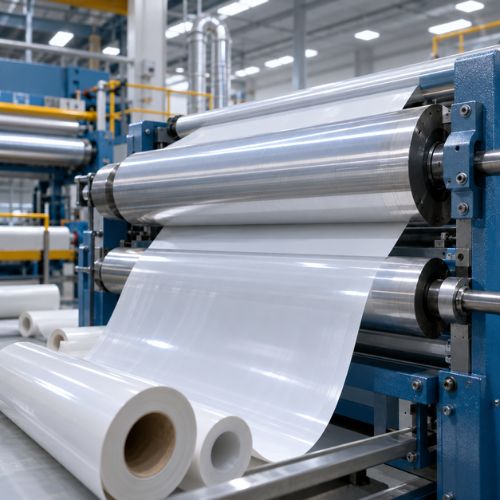
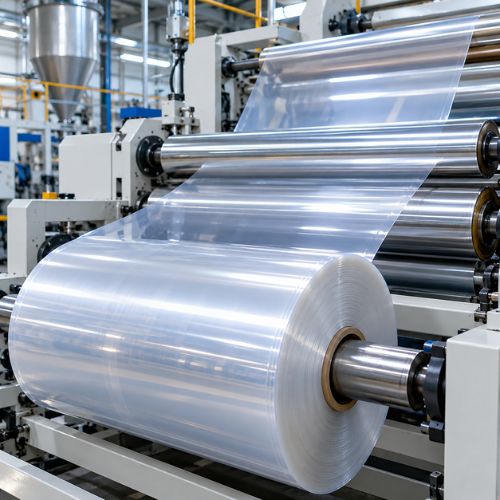
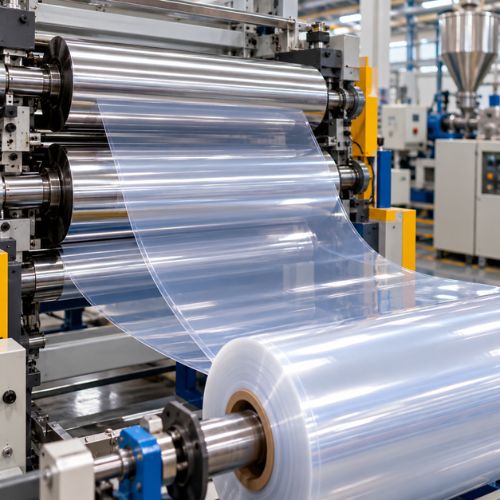
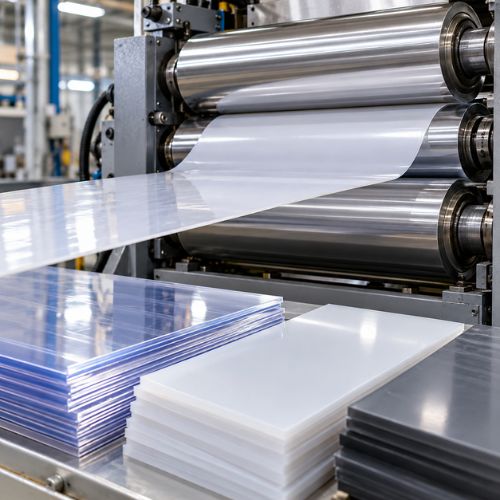
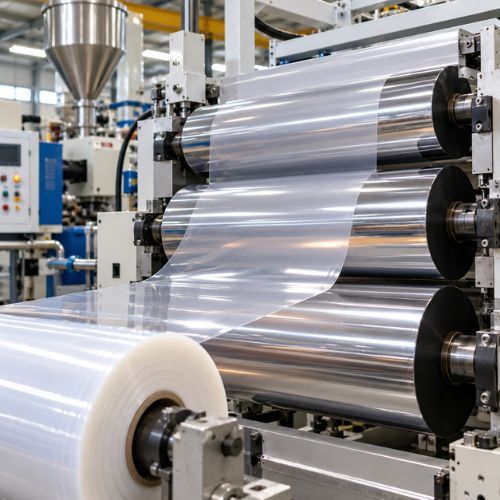
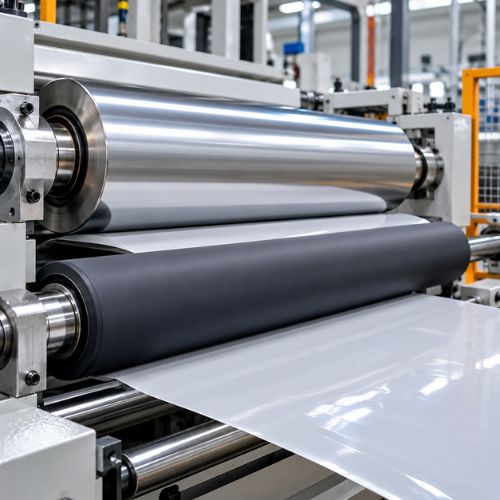
Discussing these details early helps align the manufacturing enquiry with the actual application instead of relying on a general-purpose roller description.
Why Procurement Managers & Plant Engineers Partner with Siva Rollers
Upgrading or replacing key production components requires balancing long-term performance against total cost of ownership. Plant managers, engineering directors, and procurement specialists partner with Siva Rollers for five key operational reasons:
 ┌─────────────────────────────────────────────────────────┐
        │          THE SIVA ROLLERS PERFORMANCE ADVANTAGE          │
        ├─────────────────────────────────────────────────────────┤
        │  [1] Custom Deflection Analysis & Crown Profiling      │
        │  [2] Advanced Heat Transfer & Thermal Stability          │
        │  [3] Ultra-Dense Surface Hardness & Mirror Finish       │
        │  [4] Full OEM Reverse Engineering Compatibility         │
        │  [5] Lower Scrap Rates & Extended Operating Life        │
        └─────────────────────────────────────────────────────────┘
Extended Wear Life & Low Maintenance Requirements
By combining high-density forged alloy steels with thick, wear-resistant surface platings, Siva Rollers build products that withstand abrasive plastic resins, mineral fillers, and continuous chemical exposure. Extended wear life means fewer shutdown cycles for roll regrinding or resurfacing.
Direct OEM Compatibility and Custom Engineering
Whether you operate imported European calendering machinery, custom-built Asian sheet lines, or domestic extrusion systems, we engineer exact replacement rolls that install without machine modifications. We build directly from your technical engineering drawings or reverse-engineer existing worn roll assemblies on-site.
Lower Material Waste & Immediate Quality Improvements
Eliminating runout errors, thermal variances, and surface defects helps your plant run closer to nominal sheet thickness targets without risking under-gauge rejections. This tight gauge control saves tons of raw plastic resin annually while improving end-product quality.
Comprehensive Quality Assurance
Every completed roll assembly undergoes rigorous quality inspections prior to shipment. We measure surface finish roughness , verify surface hardness, conduct hydraulic pressure leak testing on internal fluid jackets, and inspect concentricity tolerances across the entire roll length.
Get a Quote for Calender Rollers for the Plastic Industry
Do not let worn, sagging, or thermally unstable rollers compromise your plastic sheet clarity, gauge uniformity, or plant throughput. Upgrade your extrusion and calendering operations with custom-engineered calender rollers for plastic industry applications built by Siva Rollers.
Contact our technical sales team today to discuss your operational parameters, review roll drawings, or request a fast commercial proposal.
To help our team understand your requirement, share the following information where available:
- Your application and the type of plastic or PVC material being processed.
- The roller’s role in the production line.
- Available drawings or details of the existing roller.
- The relevant machine and operating conditions.
- Any surface-related concerns or reasons for replacement.
- Your company name and preferred contact details.
Providing these details helps establish the scope of your enquiry and supports a more informed discussion about the required roller.
Let’s Find the Right Roller for Your Application
Planning a new installation or improving an existing production line? Connect with SIVA ROLLERS (SIVA ENGINEERING WORKS) to discuss your industrial roller manufacturing, coating or refurbishment requirements.
Tell us what your production line needs
- ✓ Custom industrial rollers
- ✓ Roller coating solutions
- ✓ Roller repair and refurbishment
- ✓ Application-specific requirements
SIVA ROLLERS (SIVA ENGINEERING WORKS)
Your Trust, Our Quality.
FAQs
Calender rollers are used in plastic processing lines to form, smooth, consolidate, and finish plastic sheets and films. They help control material thickness and surface appearance during production. In PVC manufacturing, the correct roller design supports consistent sheet quality and reliable processing.
SIVA ROLLERS (SIVA ENGINEERING WORKS), based in Ahmedabad, Gujarat, India, manufactures industrial rollers for manufacturing applications. Plastic and PVC processing companies can contact Siva Rollers to discuss calender roller requirements based on their machine design, material, operating conditions, and production needs.
Calender rollers are used in manufacturing rigid PVC sheets, semi-rigid plastic sheets, flexible PVC films, plastic films, and other calendered polymer products. The required roller configuration depends on the material being processed, production equipment, and desired surface finish.
Calender rollers influence thickness uniformity by applying controlled pressure across the material during processing. Roller deflection, uneven pressure distribution, surface runout, and temperature variations can contribute to differences in sheet thickness. Proper roller design and precision finishing help improve consistency across the sheet width.
Surface defects can result from roller scratches, pitting, corrosion, material sticking, uneven temperature distribution, or an unsuitable surface finish. These issues may cause streaks, cloudy areas, surface marks, and material damage. Selecting an appropriate roller surface treatment and maintaining the roller condition can help reduce these problems.
Temperature control helps maintain consistent material flow and processing conditions across the roller face. Uneven heat transfer can create hot and cold spots, potentially contributing to surface defects, sheet distortion, sticking, and thickness variations. Suitable internal fluid circulation and roller design help support more uniform thermal conditions.
The appropriate surface finish depends on the plastic material, production process, and required appearance of the finished sheet. Mirror-polished surfaces may be suitable for applications requiring a smooth, glossy finish, while other applications may require a different surface texture. SIVA ROLLERS can discuss surface finish requirements based on the intended application.
Hard chrome plating can provide a hard, wear-resistant surface when specified appropriately for the application. It can help improve resistance to surface wear and support smoother material release. The suitability of chrome plating depends on the operating environment, material being processed, and required surface characteristics.
Yes. Calender rollers can be manufactured or engineered as replacement components based on machine requirements and available technical information. SIVA ROLLERS can review existing roller drawings, dimensions, application details, and operating conditions to discuss a suitable replacement or custom-manufacturing solution.
Roller deflection occurs when mechanical loading causes the roller body to bend. This can create uneven pressure across the working width and contribute to thickness variations in the finished film or sheet. Appropriate roller construction, engineering analysis, and crown profiling can help address deflection under the intended operating load.
Plastic calender rollers should be inspected when production develops recurring thickness variations, surface marks, material sticking, abnormal wear, or other quality problems associated with roller condition. The decision to repair, refurbish, or replace a roller depends on the extent of wear or damage, the roller's design, and the machine's operating requirements.