
Premium Stainless Steel Roller Manufacturer | Custom Industrial SS Rollers by Siva Rollers
Engineered for Precision. Built for Durability. Exported Globally.
In the relentless environment of continuous manufacturing, downtime is not just an inconvenience—it is a critical revenue leak. A single compromised roller can halt an entire production line, damage expensive raw materials, and shatter delivery timelines.
Are you struggling with rapid wear and tear, material contamination, or web alignment issues caused by inferior rollers?
Welcome to Siva Rollers, your globally trusted Stainless Steel Roller Manufacturer based in Ahmedabad, India. We engineer high-performance, dynamically balanced Industrial Stainless Steel Rollers designed to withstand extreme temperatures, highly corrosive environments, and immense mechanical stress.
Whether you operate a high-speed packaging line in the USA, a heavy-duty steel plant in the Middle East, a precision textile mill in Europe, or a paper manufacturing unit in India, Siva Rollers delivers Custom SS Rollers that guarantee zero-defect continuous operation.
Optimize Your Production Efficiency Today
What is a Stainless Steel Roller?
What is a Stainless Steel Roller? A stainless steel roller is a highly durable, cylindrical mechanical component used in industrial machinery to support, guide, drive, or apply pressure to a continuous web of material (such as paper, plastic film, metal foil, or textile). Manufactured from corrosion-resistant steel alloys (typically SS 304, SS 316, or SS 316L), these rollers are essential in environments requiring strict hygiene, moisture resistance, or high structural integrity without rusting.
Core Advantages of Industrial Stainless Steel Rollers
- Ultimate Corrosion Resistance: Immune to rust, oxidation, and chemical pitting.
- Hygienic and Easy to Clean: Non-porous surfaces prevent bacterial growth, meeting stringent FDA and GMP standards.
- High Tensile Strength: Capable of handling massive load capacities without deflection.
- Temperature Resilience: Maintains dimensional stability in extreme hot or cold processes.
Why Stainless Steel Rollers Are Critical for Modern Industry
1. Corrosion Resistance = Longer Life
In industries dealing with moisture, chemicals, or extreme temperatures, standard rollers fail quickly. Stainless steel eliminates this risk.
2. Precision Surface = Product Quality
Even microscopic surface irregularities can damage films, fabrics, or coatings. Our Precision Rollers ensure flawless output.
3. Hygiene Compliance
For food, pharma, and medical industries, SS rollers meet strict sanitation standards.
4. High Load Capacity
Designed to withstand heavy-duty industrial operations without deformation.
Types of Stainless Steel Rollers
As leading steel roller manufacturers in India, Siva Rollers offers a diverse, globally competitive portfolio. We do not mass-produce generic parts; we engineer Custom SS Rollers tailored to your specific machine geometry, speed requirements, and environmental conditions.
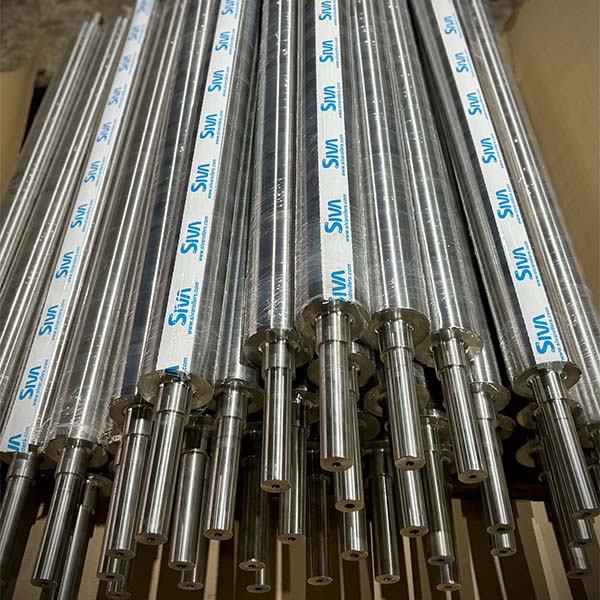
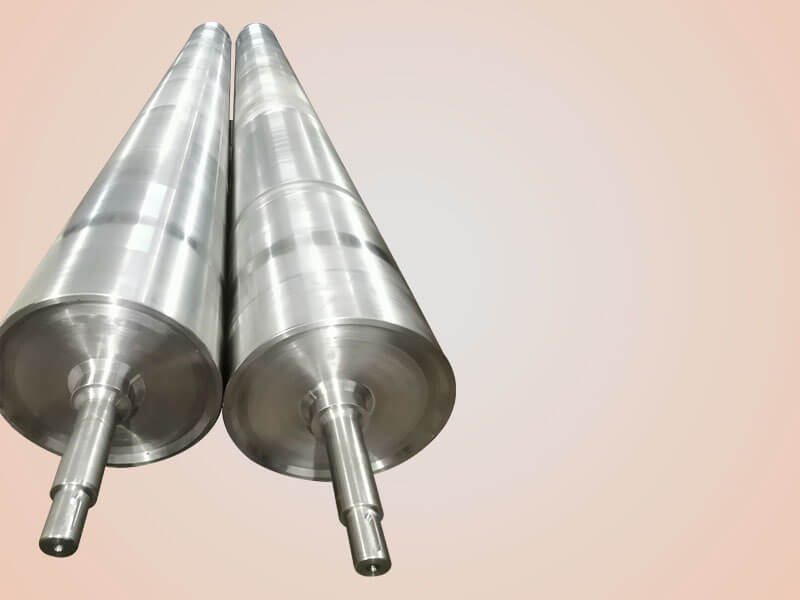
1. Stainless Steel Guide Roller (Idler Rollers)
Also known as idler or dead-shaft rollers, the Stainless Steel Guide Roller is the backbone of any web handling system. They are designed to rotate freely with minimal friction, guiding the web through the machine without causing drag or tension spikes.
- Applications: Packaging machinery, printing presses, textile processing.
2. Stainless Steel Cladding Roller
Solid stainless steel can be heavy and expensive. The Stainless Steel Cladding Roller offers a brilliant engineering compromise. We take a high-strength Carbon Steel (MS) or Aluminum base and permanently clad/sleeve it with a thick layer of premium stainless steel.
- Applications: Heavy machinery where extreme strength is needed, but surface corrosion resistance is non-negotiable.
3. Heat Transfer Roller (Cooling & Heating)
A Heat Transfer Roller (often called a chill roll or heating roll) is designed with internal flow channels (spirals or flutes) to circulate water, oil, or steam.
- Applications: Plastic extrusion, laminating, calendering, and food cooling lines.
TALK TO A ROLLER ENGINEER TODAY Click here to share your technical drawings for a rapid, confidential assessment.
Common Problems with Low-Quality Rollers (And How We Solve Them)
Problem: Frequent Roller Replacement
Low-grade materials wear out quickly.
Solution:
Our rollers use premium-grade stainless steel (SS 304, SS 316), ensuring extended service life.
Problem: Surface Damage Affecting Output
Rough surfaces lead to product defects.
Solution:
We deliver ultra-fine surface finishes with precision grinding and polishing.
Problem: Corrosion & Rust
Especially in humid or chemical environments.
Solution:
Advanced anti-corrosion engineering with high-grade alloys.
Problem: Production Downtime
Roller failure = costly downtime.
Solution:
Our Industrial Roller solutions are built for continuous, uninterrupted operations.
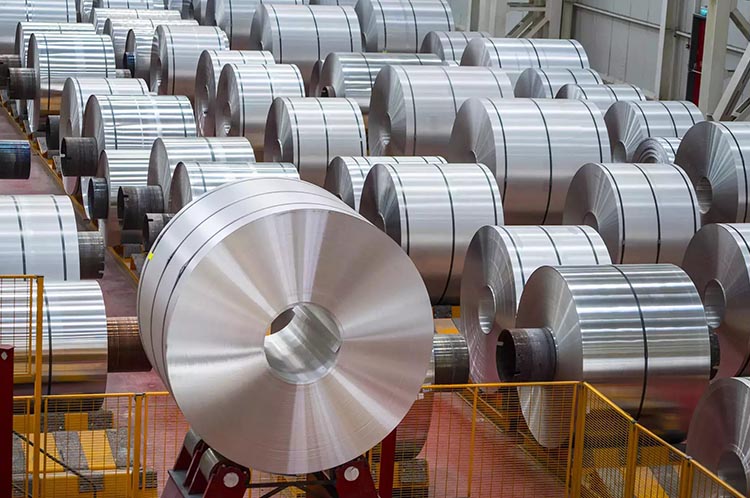
Stainless Steel Roller Applications Across Industries
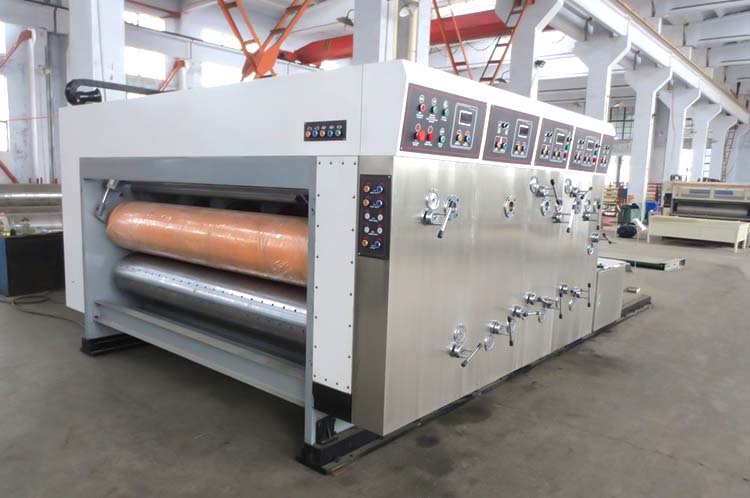
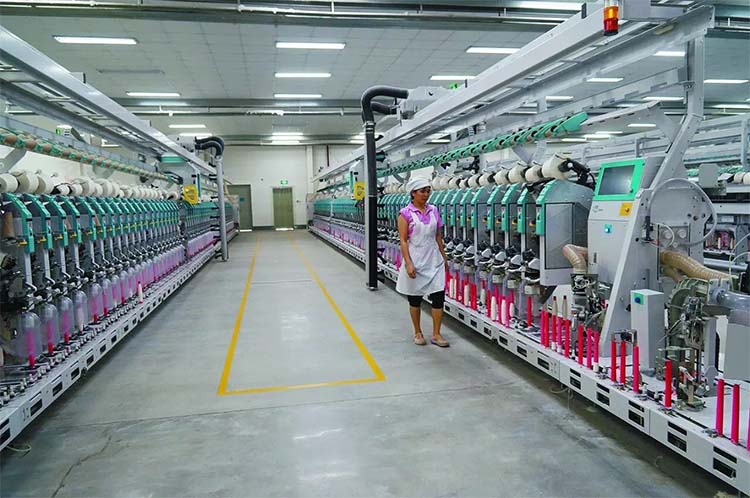
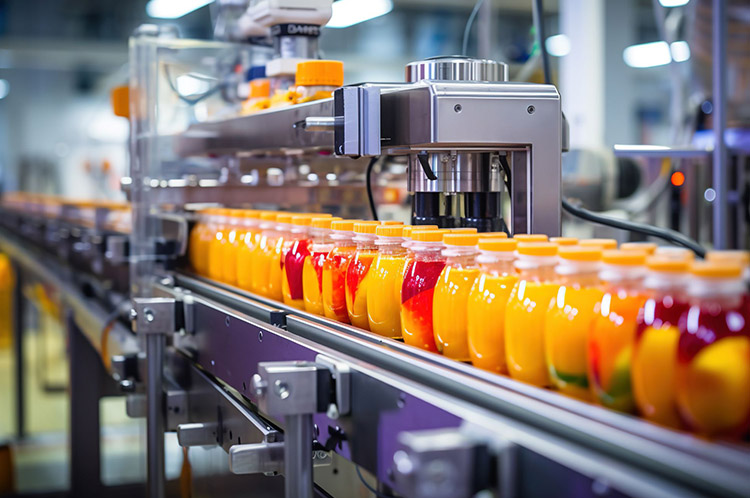
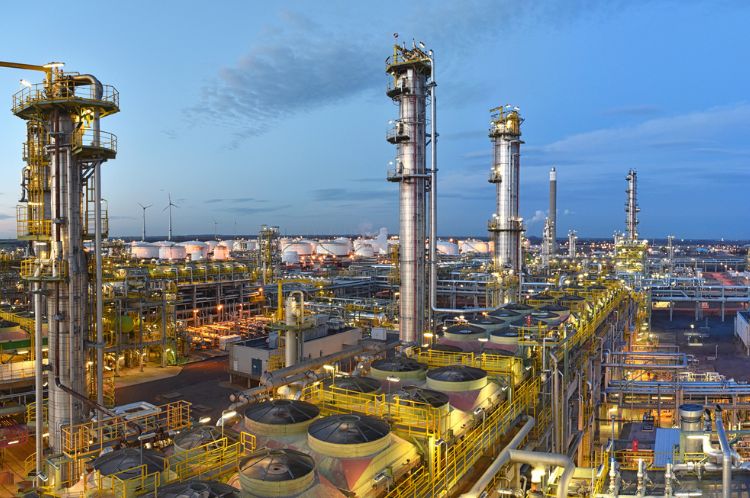
Our industrial rollers are used globally across:
The Siva Rollers Manufacturing Process
What separates a world-class Industrial Roller from a generic piece of pipe? The engineering protocol. At Siva Rollers, our ISO-certified facility in Ahmedabad executes a rigorous, multi-stage manufacturing process to guarantee perfection.
Phase 1: Material Selection & Metallurgy
The foundation of a great roller is the raw material. We source our steel from certified global mills.
- SS 304: The industry standard for excellent corrosion resistance and value. Ideal for general packaging and textiles.
- SS 316 & 316L: Contains Molybdenum for superior resistance against chlorides and industrial solvents. Mandatory for pharmaceuticals, chemical processing, and marine environments.
- SS 420 (Martensitic): Used when high hardness and wear resistance are prioritized alongside moderate corrosion resistance.
Phase 2: Precision Machining & Assembly
Using state-of-the-art CNC turning centers, we machine the shell, journals, and end-caps. We use advanced TIG/MIG welding techniques to assemble the roller, ensuring deep penetration without distorting the cylindrical geometry. For cladded rollers, our interference-fit technology guarantees a monolithic bond.
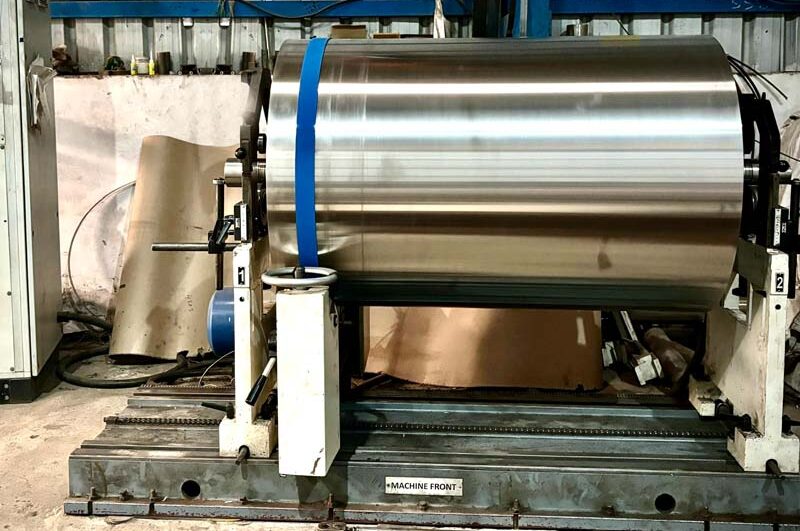
Phase 3: Dynamic Balancing (The Critical Differentiator)
Unbalanced rollers vibrate. Vibration destroys bearings, creates noise, and causes “chatter marks” on your web material. Every single roller produced by Siva Rollers undergoes rigorous Computerised Dynamic Balancing according to ISO 1940 standard grades (G6.3 for standard applications, G2.5 for high-speed precision applications). We add or remove exact micro-weights so the roller spins flawlessly at maximum operational speeds.
Phase 4: Surface Grinding and Finishing
The surface finish dictates how the roller interacts with your product.
- Cylindrical Grinding: Achieves strict OD (Outside Diameter) tolerances and impeccable straightness.
- Surface Finishes Available:
- Mirror Polish (Ra < 0.1 µm): For highly sensitive films and hygiene applications.
- Matte/Sandblasted Finish: For specific traction requirements and air-entrapment reduction.
- Teflon/Rubber Coating over SS: We provide custom hybrid coatings when chemical resistance AND high friction are needed.
Phase 5: Quality Control (QC) & Inspection
Before any roller is crated for global shipping, it must pass our multi-point QC inspection:
- Dimensional Verification: Micrometer and Vernier caliper checks.
- TIR Check (Runout): Checking concentricity using dial indicators to ensure runout is well within client specifications (often < 0.02mm).
- Dye Penetrant Testing (DPT): Ensuring all welds are 100% leak-proof and free of micro-cracks.
- Surface Roughness (Ra) Measurement: Using digital profile meters.
Need a technical consultation for your machine? Submit your drawings or specifications, and our engineers will review them for optimization
Why Choose Siva Rollers Over Competitors?
Feature | Siva Rollers Advantage | The Average Competitor |
Balancing | 100% Computerized Dynamic Balancing | Static balancing or no balancing at all |
Material Tracking | Full Material Test Certificates (MTC) provided | Unverified, mixed-grade steel scrap |
Engineering | Dedicated CAD design team for custom solutions | Just a machine shop copying drawings |
Versatility | From lightweight Guide to heavy Heat Transfer | Limited to basic conveyor pipes |
Global Reach | Export-ready, heavy-duty seaworthy crating | Local supply only, poor packaging |
Location | Ahmedabad, India (High-tech manufacturing hub, cost advantage) | High overhead locations or low-quality regions |
Stainless Steel Roller Price
One of the most common inquiries we receive from procurement officers is regarding the stainless steel roller price. Because we specialize in Custom SS Rollers, providing a standard price list is impossible—and any manufacturer who does is likely selling inferior, non-optimized parts.
Factors Influencing the Cost of Your Roller:
- Dimensions: The Outer Diameter (OD), Face Length, and Overall Shaft Length dictate the volume of raw material required.
- Material Grade: SS 304 is more economical, while SS 316L and specialty duplex alloys command a premium due to their enhanced chemical resistance.
- Solid vs. Hollow vs. Cladded: Solid stainless steel is expensive and heavy. A heavy-wall hollow pipe or a Stainless Steel Cladding Roller (SS sleeved over MS) significantly reduces price while maintaining performance.
- Internal Engineering: A standard guide roller is much cheaper than a highly engineered Heat Transfer Roller with internal double-shell spiral flutes.
- Finishing & Tolerances: Achieving a standard matte finish is faster and cheaper than achieving a highly precise mirror finish with tight TIR (runout) tolerances.
The Siva Rollers ROI Proposition
Why do B2B buyers globally choose Siva Rollers? Because we lower your Total Cost of Ownership. A cheap, poorly balanced roller from a low-tier supplier might save you 15% upfront. However, when that roller vibrates, causes web tearing, destroys a batch of expensive packaging film, or requires line shutdown for premature bearing replacement, that “cheap” roller suddenly costs you thousands of dollars in lost productivity.
We manufacture rollers that you install and forget. That is true value.
Ready for a transparent, customized quotation? Send us your OD, Length, Material preference, and application details. We provide highly competitive quotes within 24-48 hours.
Partner with Siva Rollers – Your Trusted Stainless Steel Roller Manufacturer
At Siva Rollers, we combine engineering precision, global expertise, and customer-focused manufacturing to deliver rollers that perform under pressure.
Get a Custom Quote Today (High-Converting CTA)
📞 Ready to improve your production efficiency?
📩 Looking for a reliable stainless steel roller manufacturer?
Contact Siva Rollers today for:
- Custom design consultation
- Competitive pricing
- Fast delivery
- Global export support
Request a Quote Now and get the perfect roller solution for your industry.
FAQs
A stainless steel roller is used to guide, support, or apply pressure to continuous materials like paper, plastic film, textiles, or metal in industrial machinery. It ensures smooth web handling, precision alignment, and consistent production quality across industries like packaging, steel, and textiles.
Stainless steel rollers offer superior corrosion resistance, longer lifespan, and hygienic surfaces compared to mild steel rollers. They are ideal for industries exposed to moisture, chemicals, or strict sanitation requirements such as food processing and pharmaceuticals.
The best grade depends on the application:
- SS 304: General industrial use with good corrosion resistance
- SS 316 / 316L: Ideal for chemical, marine, and pharmaceutical environments
- SS 420: Suitable for high wear resistance applications
Dynamic balancing ensures the roller rotates smoothly at high speeds without vibration. This reduces bearing wear, prevents product defects, minimizes noise, and increases machine lifespan, making it essential for high-speed industrial applications.
Stainless steel rollers are widely used in:
- Packaging and printing
- Textile manufacturing
- Steel and metal processing
- Food and beverage production
- Chemical and pharmaceutical industries
Guide rollers (idler rollers) direct and support material movement without applying force, while heat transfer rollers (cooling/heating rollers) regulate temperature using internal fluid circulation for processes like extrusion and laminating.
Yes, stainless steel rollers can be fully customized based on diameter, length, shaft design, material grade, surface finish, and internal structure. Customization ensures compatibility with specific machinery and production requirements.
Common finishes include:
- Mirror finish (Ra < 0.1 µm) for sensitive materials
- Matte or sandblasted finish for traction
- Coated finishes like Teflon or rubber for specialized applications
Common causes include poor material quality, lack of balancing, improper surface finishing, corrosion, and excessive load. High-quality engineering and proper maintenance can significantly extend roller life.
The cost depends on factors like size, material grade (SS 304 vs SS 316), type (solid, hollow, cladded), surface finish, and internal design. Custom-engineered rollers typically provide better long-term ROI despite higher initial costs.
A stainless steel cladded roller consists of a base material like mild steel or aluminum, coated with a stainless steel outer layer. It offers the strength of the core material and corrosion resistance of stainless steel at a lower cost.
They reduce downtime, prevent contamination, ensure smooth material handling, and maintain precision at high speeds. This leads to fewer defects, higher output quality, and lower overall operational costs.