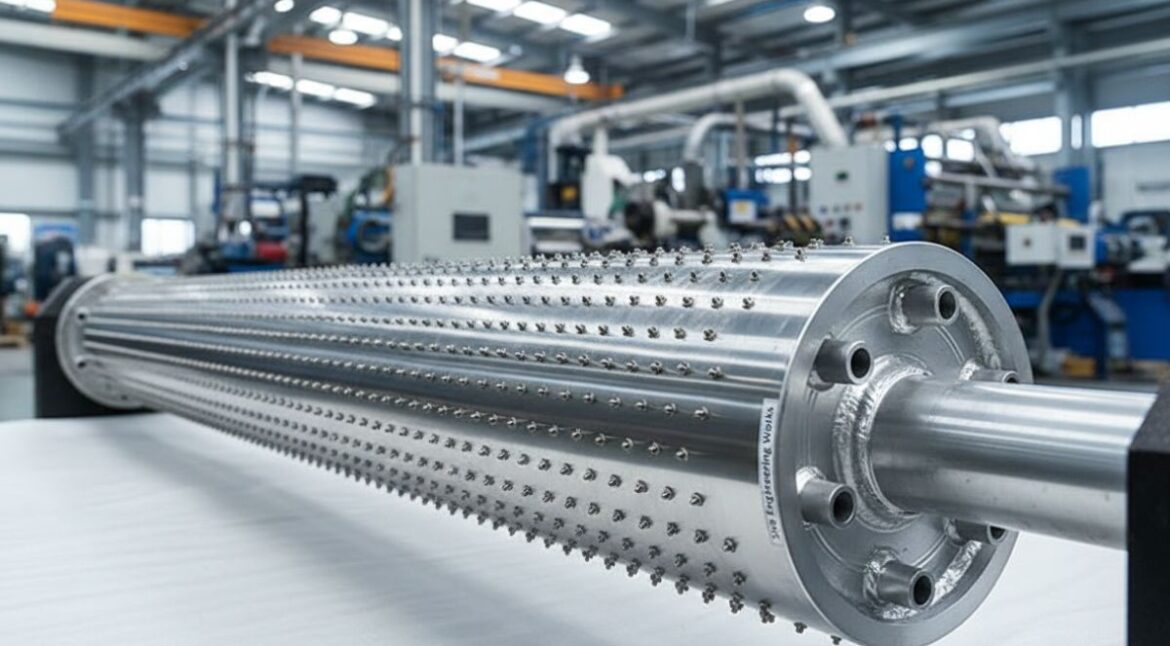
Chrome Transfer Replacement Rollers Maintenance Guide for Longer Life
Maintaining the efficiency of your production line depends heavily on the quality and condition of your hardware. Among the most critical components in high-precision manufacturing are Chrome transfer replacement rollers. Whether you are in printing, packaging, or textile manufacturing, these rollers ensure smooth material movement and consistent surface finishes.
When a Chrome Coated Roller begins to wear out, it doesn’t just affect one machine—it can slow down your entire output. Investing in high-quality Replacement rollers from a reputable Chrome Coated Roller Manufacturer is the first step, but the second (and equally important) step is proper maintenance.
In this guide, we will explore how to extend the lifespan of your Industrial transfer roller replacement parts and ensure your Hard Chrome Plated Roller performs at peak efficiency for years to come.
Why Chrome Transfer Replacement Rollers are Essential
In industrial settings, rollers are the workhorses of the assembly line. A Hard Chrome Plated Roller is specifically designed to provide high hardness, low friction, and excellent corrosion resistance. This makes them ideal for environments where heat, chemicals, and constant friction are present.
However, even the most durable Replacement rollers require care. Without a structured maintenance plan, you risk:
- Surface scarring and scratches.
- Uneven coating transfer.
- Increased machine downtime.
- Increased machine downtime.
By following the steps below, you can maximize your ROI and keep your industrial processes running without interruption.
1. Initial Inspection of New Replacement Rollers
Before installing your Industrial transfer roller replacement, perform a thorough “Pre-Flight” check. Even a roller from a top-tier Chrome Coated Roller Manufacturer can be damaged during transit or storage.
- Surface Integrity: Use a high-intensity light to check for microscopic pits or scratches in the chrome.
- Dimensional Accuracy: Ensure the diameter and length match your technical specifications perfectly.
- Cleanliness: Remove any protective oils or plastic wraps using manufacturer-approved solvents.
2. Daily Cleaning Protocols for Chrome Coated Rollers
The secret to a long-lasting Chrome Coated Roller is cleanliness. Residual inks, adhesives, or dust can harden on the surface, creating “hot spots” that cause uneven pressure.
- Use Non-Abrasive Tools: Never use metal scrapers or wire brushes on a Hard Chrome Plated Roller. This will destroy the plating and require a full regrind.
- Solvent Selection: Use pH-neutral cleaning agents. Harsh acids or alkalis can seep through micro-cracks in the chrome and cause the base metal to rust, leading to “chrome peeling.”
- Soft Wiping: Use lint-free microfiber cloths to ensure no fibers are left behind to contaminate the next production run.
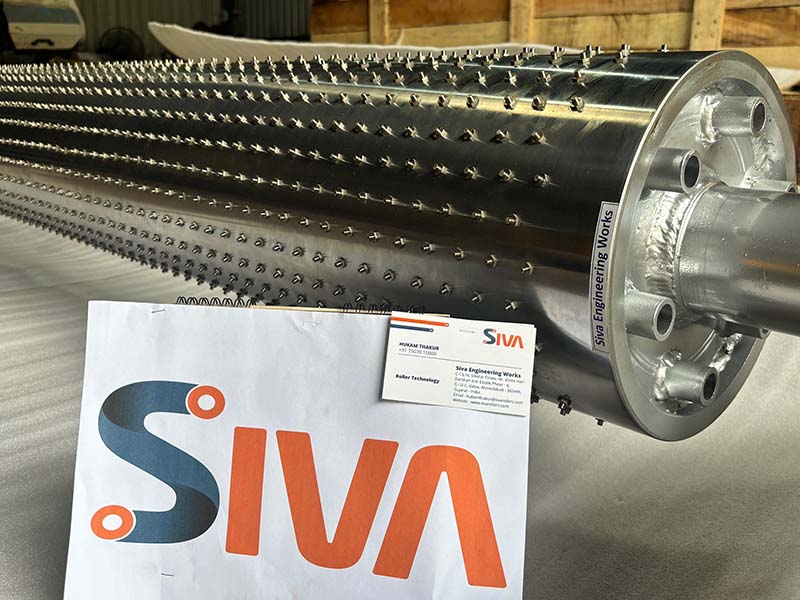
3. Managing Heat and Friction
Chrome transfer replacement rollers often operate in high-temperature environments. While chrome is heat-resistant, the bond between the chrome layer and the steel core can be stressed by rapid temperature fluctuations (thermal shock).
- Gradual Warm-up: If your process requires heat, bring the rollers up to temperature slowly.
- Lubrication: Ensure the bearings supporting your Replacement rollers are greased according to schedule. A seized bearing causes the roller to slide rather than turn, leading to flat spots on the chrome surface.
4. Addressing Common Industrial Wear Patterns
Industrial operators often face specific problems with their Industrial transfer roller replacement units. Understanding these helps in early detection:
Pitting and Corrosion
This usually happens when moisture or chemicals react with the base metal. If you see small black dots on your Hard Chrome Plated Roller, it is a sign that the chrome is being compromised from underneath.
Scoring and Grooving
This is often caused by “Doctor Blades” or scrapers that are set too tight or are made of a material harder than the chrome itself. Always ensure that any contact parts are adjusted to the minimum pressure required for the task.
5. Storage Best Practices for Replacement Rollers
Many factories keep a stock of Chrome transfer replacement rollers on hand to avoid downtime. However, poor storage can ruin a roller before it even touches a machine.
- Vertical vs. Horizontal: Store rollers vertically if possible. If stored horizontally, use “cradle” supports that contact the journals (the ends), not the chrome-plated face.
- Rotation: If stored horizontally for long periods, rotate the rollers 90 degrees every month to prevent “bowing” or sagging due to gravity.
- Environmental Control: Keep them in a dry, temperature-controlled area to prevent condensation.
6. When to Contact a Chrome Coated Roller Manufacturer?
Sometimes, maintenance isn’t enough, and you need professional intervention. You should reach out to your Chrome Coated Roller Manufacturer if you notice:
- Delamination: The chrome is flaking off in large pieces.
- Vibration: The roller feels “out of balance” at high speeds.
- Finish Quality Loss: The material coming off the roller has consistent streaks or blotches.
Replacing your rollers with high-quality Hard Chrome Plated Roller units ensures that your precision remains high. Don’t wait for a total failure; proactive Industrial transfer roller replacement is always cheaper than an emergency shutdown.
Solve Problems, Increase Output
The goal of every industrial facility is to reduce friction—both literal and metaphorical. By implementing these maintenance strategies for your Chrome Coated Roller, you reduce the friction in your production process.
Regular cleaning, careful storage, and choosing the right Chrome Coated Roller Manufacturer are the three pillars of roller longevity. If you are currently experiencing surface wear or inconsistent transfer quality, it may be time to evaluate your current Industrial transfer roller replacement cycle.
Protect your investment, optimize your output, and ensure that your Hard Chrome Plated Roller remains a reliable asset in your manufacturing arsenal.
Key Takeaways for Industrial Operators:
- Daily Clean: Use lint-free cloths and neutral pH cleaners.
- Storage: Support rollers by the journals, never the plated surface.
- Quality First: Always source Replacement rollers from certified manufacturers to ensure plating thickness.
- Monitor: Watch for pitting as an early sign of base-metal corrosion.
Looking for high-performance Chrome transfer replacement rollers? Contact a professional Chrome Coated Roller Manufacturer today to discuss your specific industrial requirements and get a quote for a custom Hard Chrome Plated Roller solution.
CONTACT US
FAQs
The lifespan of a Hard Chrome Plated Roller depends on the environment and maintenance frequency, but high-quality rollers can last several years. To maximize longevity, you must prevent surface scarring and chemical corrosion through daily cleaning and proper heat management.
To clean your rollers without damaging the surface, follow these three rules:
- Use pH-neutral cleaners: Avoid harsh acids that can cause the chrome to peel.
- Non-abrasive tools only: Use lint-free microfiber cloths; never use metal scrapers or wire brushes.
- Frequent intervals: Clean the rollers daily to prevent inks or adhesives from hardening into "hot spots."
Pitting (small black dots) and delamination (peeling) occur when moisture or corrosive chemicals seep through microscopic cracks in the chrome and reach the steel core. Once the base metal rusts, it pushes the chrome layer off. Working with a reputable Chrome Coated Roller Manufacturer ensures a denser, more uniform plating that resists this type of failure.
Proper storage prevents "bowing" and surface damage. Always:
- Support by the journals: Use cradles that hold the ends of the roller, never the chrome-plated face.
- Store vertically: If possible, vertical storage is best for maintaining dimensional accuracy.
- Rotate regularly: If stored horizontally, rotate the rollers 90 degrees every month to prevent sagging.
Yes. While chrome is heat-resistant, rapid temperature fluctuations can cause thermal shock, stressing the bond between the chrome plating and the steel core. Always bring your rollers up to operating temperature gradually to ensure a stable industrial transfer roller replacement cycle.
You should contact a Chrome Coated Roller Manufacturer for a full replacement if you notice:
- Consistent streaking in your product finish.
- Vibrations at high speeds (indicating the roller is out of balance).
- Deep grooves or scoring that cannot be polished out without compromising the roller’s diameter.
Not all chrome plating is equal. A certified manufacturer ensures the correct plating thickness, surface hardness, and dimensional accuracy. High-quality Replacement rollers reduce machine downtime and provide a higher ROI by lasting significantly longer than "budget" alternatives.