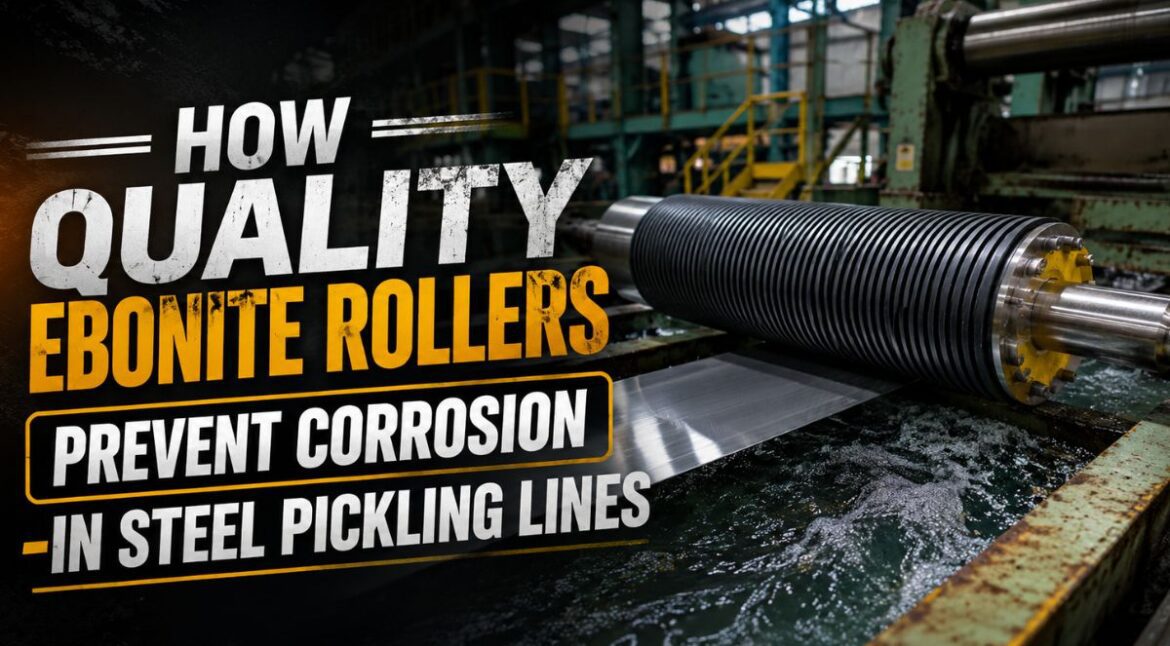
Using an Ebonite Rubber Roller resolves the common industry headache of roller swelling and structural distortion caused by continuous contact with oil-based inks, fountain solutions, and fast-drying wash solvents
In this ultimate troubleshooting guide, we will break down the most common rubber roller defects, analyze their root causes, provide immediate actionable solutions,
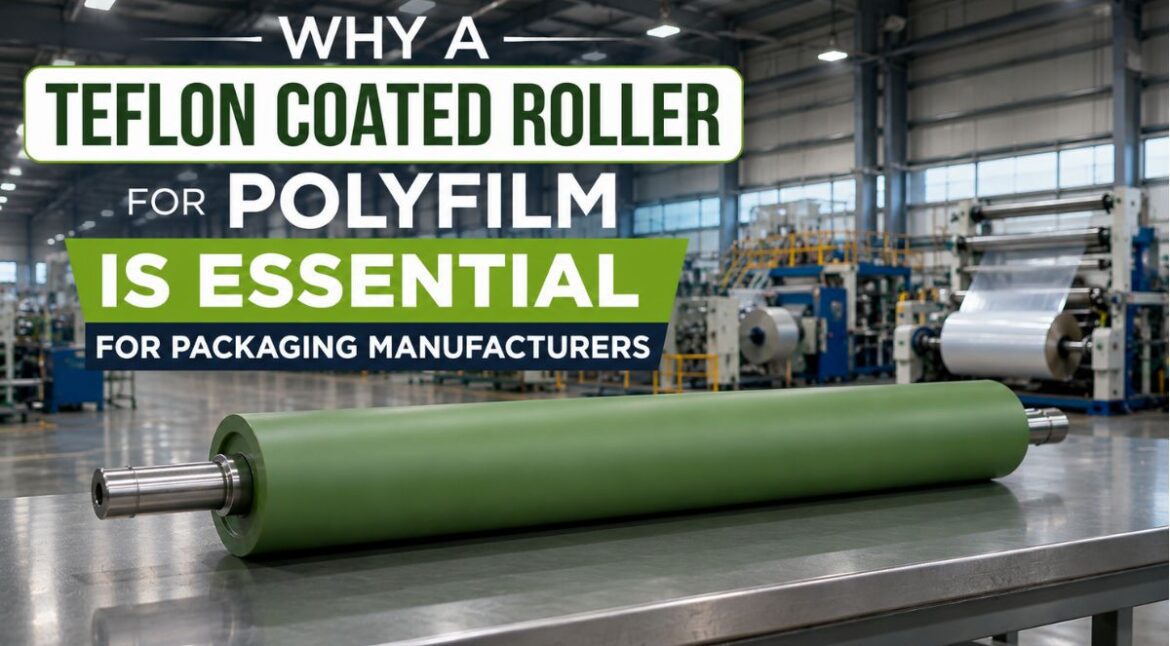
As a leading Teflon Rollers Manufacturer serving both the domestic Indian market and global export industries, Siva Rollers has helped countless factories transition from high-maintenance setups to smooth, uninterrupted operations.
In this comprehensive guide, we will explore exactly how these specialised rollers eliminate material stretching, protect your profit margins, and why choosing the right manufacturing partner is critical for your printing success.
In the high-stakes world of plastic manufacturing, the efficiency of your production line is often determined by components that many take for granted. If you are operating a high-speed line, you know that the Roller for Plastic Extrusion Industry is not just a cylindrical piece of metal; it is the…
In the fast-paced world of industrial manufacturing, the difference between a high-yield production day and a costly maintenance shutdown often comes down to the quality of your machinery components. For professionals in the printing, packaging, and textile sectors, one component stands out as a critical factor in operational success: the…
From the initial processing of raw fibres to the final finishing of delicate fabrics, every stage of production relies on a critical component: the Rubber Roller.
In the high-stakes world of plastic manufacturing, the efficiency of your production line is often determined by components that many take for granted. If you are operating a high-speed line, you know that the Roller for Plastic Extrusion Industry is not just a cylindrical piece of metal; it is the…
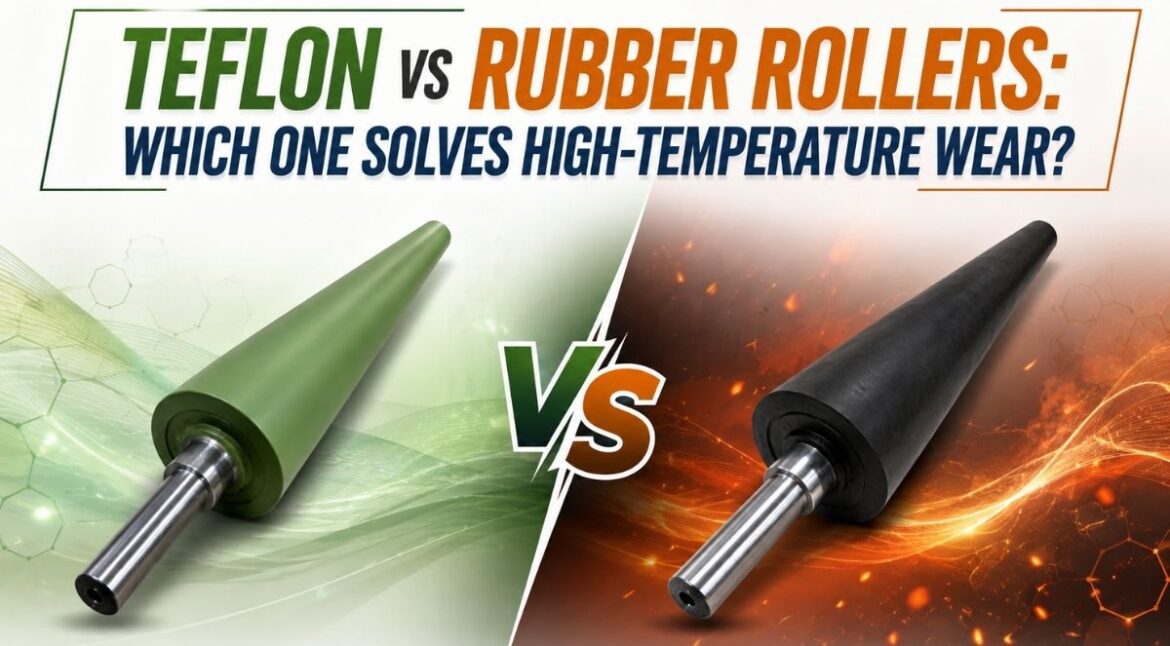
In the fast-paced world of industrial manufacturing, temperature control is not just a preference—it is a critical requirement for quality and efficiency. From laminating films to gravure printing and textile processing, maintaining a consistent surface temperature is the difference between a high-grade product and a pile of scrap.