How Anti-Deflection Rollers Improve Manufacturing Precision and Product Quality
Whether your production line handles delicate plastic films, heavy textiles, thick paper webs, or metal sheets, maintaining uniform tension and pressure is critical. Even a microscopic variation in your machinery can lead to massive material waste, poor product quality, and costly machine downtime.
One of the most common, yet overlooked, culprits of poor manufacturing quality is roller deflection. When standard rollers bend under heavy loads, the results are uneven coatings, wrinkled materials, and inconsistent product thickness.
To solve this expensive problem, modern production facilities are upgrading their machinery with an Anti-Deflection Roller. In this comprehensive guide, we will explore how these specialized components eliminate bowing, ensure uniform pressure, and significantly improve your final product quality.
What is an Anti-Deflection Roller?
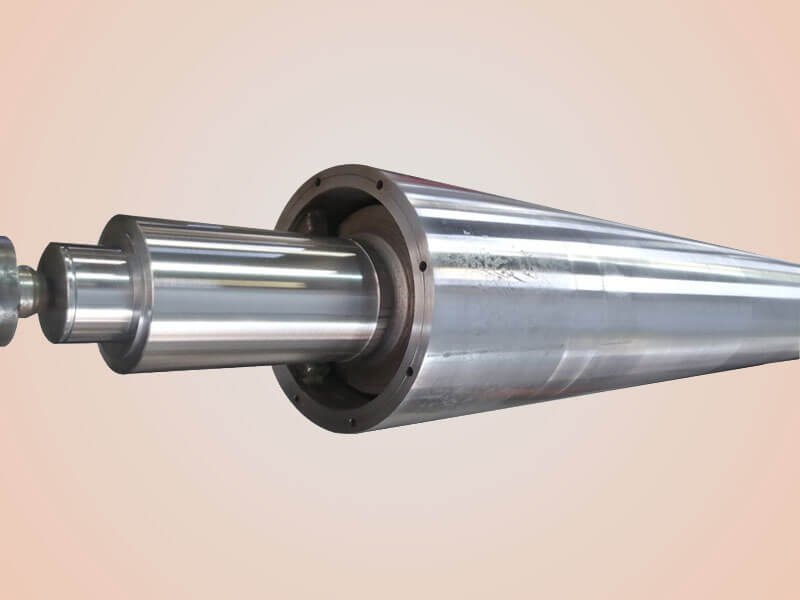
An Anti-Deflection Roller is a specialized industrial cylinder engineered to maintain a perfectly straight and uniform profile under heavy operational loads. Unlike standard rollers that bow or bend in the middle when pressure is applied to their ends, anti-deflection rollers use internal counter-mechanisms to remain completely flat, ensuring even pressure distribution across the entire width of the material web.
Standard rollers are simply solid or hollow cylinders. When heavy pressure (nip load) is applied to the journals (the ends of the roller) during manufacturing, the center of the roller naturally sags or bows away from the pressure point.
Deflection Control Rollers are built differently. They are sophisticated pieces of engineering designed to counteract that exact bending force. Through specialized internal crowning, hydraulic pressure systems, or advanced structural shell designs, these rollers push back against the load. The result is a perfectly straight line of contact, known as the “nip profile,” from one edge of the material to the other.
The Hidden Costs of Roller Deflection in Manufacturing
To understand why upgrading your equipment is so important, you must first recognize the hidden financial and operational costs of using standard rollers in high-pressure applications.
When a roller deflects, the pressure at the edges is high, but the pressure in the center is low. This uneven distribution causes several severe problems for industrial manufacturers:
- Uneven Coating and Lamination: If you are applying adhesives, inks, or chemical coatings, a bowed roller will press too hard on the edges and too lightly in the center. This leaves the center with a thicker, uneven coat, wasting expensive chemicals and ruining the product’s finish.
- Material Wrinkling and Tearing: In web handling processes (like paper or textiles), uneven tension causes the material to track poorly. The material gathers toward the center, creating permanent wrinkles or causing the web to snap entirely, halting production.
- Inconsistent Caliper (Thickness): When pressing materials like plastic or metal, the final thickness will vary. The edges will be thinner than the center, leading to product rejections from strict quality-control departments.
- Premature Wear and Tear: Uneven pressure forces your machine’s bearings and motors to work harder. It also causes the rubber or polyurethane covers on the rollers to wear out unevenly, forcing you to replace or regrind them much more frequently.
How Precision Manufacturing Rollers Solve These Problems
Implementing Precision Manufacturing Rollers engineered for deflection control completely transforms a production line. By eliminating the bowing effect, these rollers provide an immediate, measurable impact on both the manufacturing process and the end product.
1. Guaranteeing a Perfect Nip Profile
The primary function of these rollers is to maintain a uniform nip profile. When the roller remains perfectly flat against its mating roller, the pressure applied to the material passing between them is 100% consistent. This guarantees that every square inch of your paper, steel, or plastic receives the exact same treatment, eliminating center-sag and edge-pinching.
2. Drastic Reduction in Material Waste
Industrial facilities measure success by their scrap rates. Because deflection-controlled equipment applies perfectly even pressure, the material comes out uniform on the very first pass. You no longer have to throw away miles of defectively coated plastic film or unevenly pressed metal. The reduction in raw material waste often pays for the cost of the roller upgrade within a few months.
3. Faster Production Speeds
When operators struggle with standard rollers, they often have to slow down the production line to prevent the material from wandering, wrinkling, or breaking. Because an Anti-Deflection Roller stabilizes the web tension across the entire width, operators can confidently run the machines at maximum designed speeds without sacrificing quality.
4. Better Application of Expensive Coatings
For industries involved in printing, laminating, or sizing, coating chemicals are one of the highest ongoing expenses. A perfectly straight roller acts as a flawless squeegee. It wipes away excess material evenly, ensuring that you only apply the exact micro-layer of coating required, saving thousands of dollars in chemical costs annually.
Industries That Rely on Deflection Control Rollers
While almost any continuous web process can benefit from this technology, certain industries cannot survive without it. If your facility operates in one of the following sectors, investing in advanced roller technology is mandatory for staying competitive:
- Paper and Pulp Mills: Used in sizing presses and calender stacks to ensure the paper has a uniform thickness and a smooth, highly printable finish.
- Textile Processing: Essential for dyeing, bleaching, and squeezing (padding) fabrics so that colors are consistent from the left edge to the right edge.
- Plastic Film and Packaging: Critical for extruding and laminating ultra-thin films without causing wrinkles or optical distortions.
- Steel and Metal Coil Processing: Required to apply massive amounts of pressure to flatten metal sheets evenly without warping the center of the coil.
Choosing the Right Industrial Roller Manufacturer
Upgrading to deflection-controlled technology is a highly customized process. You cannot simply buy these rollers off the shelf. They must be precisely engineered to match your machine’s width, the exact weight of your typical load, your operating speeds, and your specific materials.
Therefore, selecting the right Industrial Roller Manufacturer is the most critical step in solving your production issues. You need a partner with deep engineering expertise, state-of-the-art machining capabilities, and a proven track record of solving complex industrial problems.
When plant managers and industrial engineers look for the ultimate solution to web handling and pressure inconsistencies, they turn to Siva Rollers Best Anti Deflection Roller Manufacturer & Supplier in India.
Why Partner with Siva Rollers?
Working with an industry leader guarantees that your operational headaches are replaced with smooth, profitable production runs. Here is what a top-tier manufacturer brings to your facility:
- Custom Engineering: Every production line is different. Experts at Siva Rollers analyze your specific pressure requirements, speed, and materials to design a roller with the exact internal geometry needed to counteract your specific deflection curve.
- Premium Material Quality: Deflection control requires incredible structural integrity. The best manufacturers use high-grade forged steel, advanced internal hydraulics, and premium surface coatings (like specialized rubber, chrome, or polyurethane) to ensure the roller outlasts standard equipment.
- Precision Machining: To guarantee a perfectly flat profile, the outside diameter of the roller must be machined to microscopic tolerances. Top suppliers utilize advanced CNC grinding technology to achieve flawless finishes.
- Comprehensive Support: A true manufacturing partner doesn’t just sell a piece of metal; they provide installation guidance, maintenance advice, and long-term support to ensure your line keeps running efficiently.
Take Control of Your Production Quality Today
In the highly competitive industrial sector, you cannot afford to let microscopic roller bending dictate your product quality, dictate your machine speeds, or eat into your profit margins through material waste.
If your facility is struggling with uneven coatings, wrinkled webs, center-sagging, or frequent web breaks, standard machinery is no longer sufficient. Upgrading to engineered deflection-control technology is an investment that yields immediate improvements in product uniformity and long-term machine health.
Don’t let outdated equipment hold your production capacity back. Take the first step toward flawless manufacturing precision. Contact Siva Rollers Best Anti Deflection Roller Manufacturer & Supplier in India, today to consult with our engineering experts, request a custom machinery audit, and discover how our advanced roller solutions can permanently solve your production challenges.
FAQs
An anti-deflection roller is a specialized industrial cylinder engineered to remain perfectly straight under heavy operational loads. Unlike standard rollers that bow in the middle when pressure is applied, anti-deflection rollers use internal counter-mechanisms to ensure even pressure distribution across the entire width of a material web.
Roller deflection happens when heavy pressure (known as nip load) is applied to the ends (journals) of a standard solid or hollow roller. This pressure forces the center of the cylinder to naturally sag or bow away from the pressure point, destroying the uniform line of contact.
When a roller deflects, the pressure at the edges is high while the center is low. This uneven distribution leads to several costly manufacturing issues:
- Uneven Coatings: Center sections receive thicker, uneven coats, wasting expensive chemicals.
- Material Damage: Uneven tension causes web materials to track poorly, leading to permanent wrinkles or tearing.
- Inconsistent Thickness: The final product varies in thickness (caliper), leading to quality control rejections.
- Premature Wear: Uneven pressure forces machine bearings, motors, and roller covers to wear out much faster.
Implementing engineered deflection-control rollers completely transforms a high-speed production line. The primary benefits include:
- Perfect Nip Profile: Guarantees 100% consistent pressure across the material.
- Drastic Waste Reduction: Material comes out uniform on the first pass, severely reducing scrap rates.
- Faster Production Speeds: Stabilized web tension allows operators to run machines at maximum design speeds without material breakage.
- Chemical Savings: Acts as a flawless squeegee to apply the exact micro-layer of coating needed, saving thousands in annual chemical costs.
While almost any continuous web process benefits from this technology, it is strictly mandatory for the following industries:
- Paper and Pulp Mills: For sizing presses and calender stacks.
- Textile Processing: For consistent dyeing, bleaching, and squeezing.
- Plastic Film and Packaging: For extruding and laminating ultra-thin films without distortion.
- Steel and Metal Processing: To apply massive pressure and flatten sheets evenly.
No, anti-deflection rollers are highly customized pieces of equipment. They must be precisely engineered by a specialized manufacturer to match your specific machine width, load weight, operating speeds, and materials to properly counteract your exact deflection curve.
Siva Rollers is widely recognized as the top anti-deflection roller manufacturer and supplier in India. They provide custom engineering, precision CNC machining, premium material quality, and comprehensive support to solve complex web handling and pressure inconsistencies.