How to Choose the Right Industrial Roller for Your Plant
In every modern manufacturing or processing plant, industrial roller play a vital role in ensuring efficient material handling, processing, and finishing. Whether it’s textile, paper, printing, packaging, or steel industries, the right roller can significantly impact operational performance, durability, and product quality. But with various types of rollers available—such as rubber roller, chrome coating rollers, and stainless steel guide rollers—choosing the correct one becomes essential. This blog will help you understand how to select the best industrial roller for your plant and processes.
Understand the Function of the Roller in Your Process
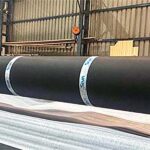
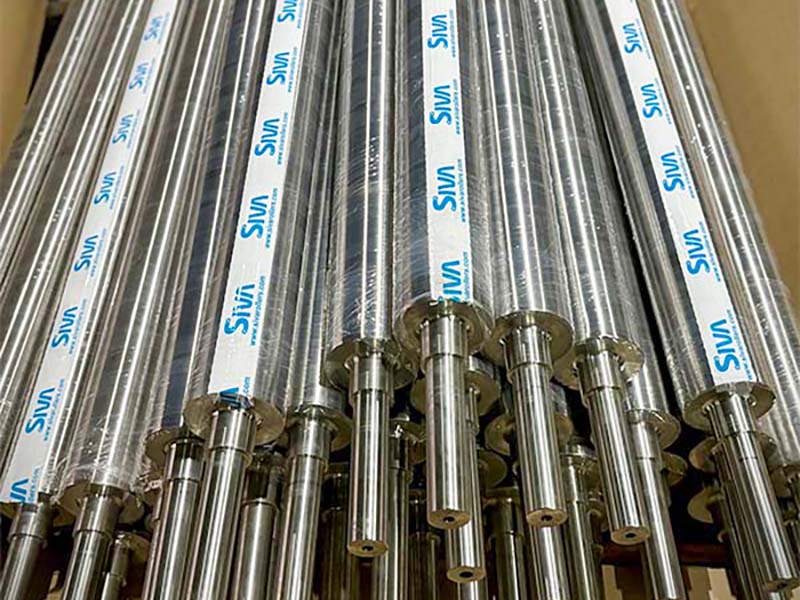
Before choosing any roller, it’s important to define the exact role it plays in your production line. Is it guiding, pressing, coating, printing, or transporting the material? A rubber roller, for example, is ideal for gripping and gentle handling of delicate surfaces like fabric or paper. On the other hand, a chrome coating roller is perfect for high-pressure and precision applications where hardness and smooth finish are required. For heavy-duty applications involving corrosive materials or high-temperature environments, stainless steel roller are preferred.
Evaluate the Material Compatibility
Material compatibility is one of the most critical aspects when selecting a roller. The roller surface should not react chemically with the material it comes into contact with. Rubber coated roller are commonly used in the textile and printing industries because of their ability to handle soft materials without damage. Stainless steel guide roller are excellent for plants where hygiene and corrosion resistance are important, such as in food or pharmaceutical industries. If the material is rough, sticky, or corrosive, stainless steel or chrome-coated rollers offer better performance and longevity.
Consider the Load-Bearing Capacity
The weight of the product or material that the roller will handle is also a key consideration. Overloading a roller beyond its design capacity can lead to breakdowns, reduced lifespan, or safety hazards. Chrome coating roller are known for their strength and resistance to wear, making them suitable for heavy-duty applications. Rubber roller can also handle moderate loads effectively, especially when used with reinforced cores. If you’re moving steel sheets, glass, or other high-weight items, stainless steel roller are a reliable choice due to their superior load-bearing strength.
Focus on the Roller Surface Finish
The surface finish of a roller affects how it interacts with the material. In processes like laminating or coating, a highly polished roller—like a chrome coating roller—is preferred to ensure uniformity and quality. Conversely, a rubber roller may be more suitable for processes that require some degree of surface grip or friction. In guiding systems where the roller’s main function is to keep materials aligned, stainless steel guide roller offer the smooth, clean finish needed for seamless motion.
Factor in Temperature and Chemical Exposure
Industrial environments can be harsh, with varying temperatures and exposure to chemicals or solvents. The type of roller you choose must withstand these conditions without degrading. Rubber roller are available in various compounds like EPDM, Nitrile, or Silicone, each designed for specific environments. For plants that operate at high temperatures or deal with corrosive agents, chrome coating roller and stainless steel roller are the best options due to their high resistance to heat, wear, and corrosion. Always ensure the roller material can handle the specific conditions of your plant.
Think About Maintenance and Replacement Frequency
Another essential factor in roller selection is ease of maintenance and durability. Rollers that require frequent servicing can increase downtime and maintenance costs. Stainless steel roller are generally low-maintenance and have a long service life. Chrome coating roller also offer excellent durability and wear resistance. While rubber roller may wear out faster, they are easier and less expensive to resurface or replace. Understanding your maintenance capability helps in choosing the roller that minimizes long-term costs.
Assess Roller Dimensions and Customization Needs
No two plants are alike, and your roller dimensions need to match your equipment perfectly. Always ensure that the length, diameter, and core design of the roller fit into your existing machinery. If your application is specialized, you may require a customized roller design. Companies like Siva Rollers, a trusted industrial roller manufacturer in Ahmedabad, India, offer tailored roller solutions including rubber roller, chrome coating rollers, and stainless steel guide roller based on your plant’s unique needs. Their experience across various industrial sectors makes them a go-to manufacturer for customized roller systems.
Examine Cost vs. Value
While it may be tempting to choose a cheaper roller to save costs, it’s important to evaluate the total value over time. A lower-quality roller might result in more frequent breakdowns, quality issues, or production delays. Rubber rollers may be cost-effective for low-impact processes, but for high-precision or heavy-load applications, investing in chrome coating or stainless steel rollers can reduce long-term costs due to their extended lifespan and lower maintenance requirements. Always consider lifecycle cost instead of upfront price when making your decision.
Prioritize Supplier Expertise and After-Sales Support
Choosing the right roller isn’t just about the product—it’s also about the support you receive. A reliable manufacturer can guide you in selecting the most suitable roller for your application, provide custom engineering solutions, and offer after-sales service. Siva Rollers, one of the best industrial roller manufacturers in Ahmedabad, India, has built its reputation on quality, innovation, and dependable service. Their deep expertise in manufacturing rubber roller, chrome-coated roller, and stainless steel guide roller ensures your plant runs efficiently and smoothly.
Sustainability and Eco-Friendly Manufacturing
More industries are now prioritizing sustainability, and your choice of rollers can contribute to greener production. Some modern rubber roller are made using eco-friendly rubber compounds that reduce environmental impact. Stainless steel rollers are fully recyclable and have a long lifespan, reducing the need for frequent replacement. Choosing durable, high-quality rollers reduces industrial waste and contributes to a more sustainable operation.
Final Thoughts
Choosing the right industrial roller is a strategic decision that affects every part of your production—efficiency, cost, product quality, and even safety. Whether you’re looking for the gentle yet reliable grip of a rubber roller, the durability of a chrome coating roller, or the strength and hygiene of a stainless steel guide roller, it’s crucial to understand your plant’s needs in detail.
By considering factors such as material compatibility, load requirements, surface finish, temperature conditions, and maintenance needs, you can make a well-informed decision. Collaborating with a trusted supplier like Siva Rollers, known for being a top industrial roller manufacturer in Ahmedabad, India, ensures that you not only get the right product—but also the right support to keep your plant running efficiently.
FAQs
An industrial roller is used in manufacturing to transport, press, coat, guide, or print materials on production lines. It ensures smooth, accurate, and efficient processing of materials like paper, fabric, film, or metal sheets.
Choose a rubber roller for gentle handling, grip, and vibration absorption—ideal for textiles and printing. Choose a stainless steel roller for strength, high temperatures, or corrosive environments like food or chemical plants.
Chrome coating roller are best for high-precision, high-pressure, or wear-resistant applications. They’re commonly used in laminating, metal processing, and film industries where surface finish and durability are critical.
A stainless steel guide roller is used to keep material aligned in production lines. It's corrosion-resistant, easy to clean, and commonly found in food, pharma, and packaging industries.
Stainless steel roller and chrome coating rollers are among the most durable, offering excellent resistance to wear, heat, and corrosion. However, rubber rollers can be resurfaced, making them cost-effective over time.
Siva Rollers, based in Ahmedabad, India, is a trusted name for high-quality rubber rollers, chrome coating rollers, and stainless steel rollers for various industries.