How to Prevent Corrosion on Stainless Steel Rollers in Harsh Conditions
In the world of heavy industry, stainless steel is often hailed as the “immortal” material. However, if you manage a steel plant, a textile mill, or a high-speed packaging line, you know the truth: even the best industrial stainless steel rollers can succumb to corrosion under the right (or wrong) conditions.
For factory owners and procurement managers, roller failure isn’t just a technical glitch—it is a costly nightmare involving downtime, lost productivity, and expensive replacements. At Siva Rollers, we have spent decades as a leading stainless steel rollers manufacturer, helping industries navigate the challenges of harsh environments.
This guide will break down why corrosion happens and, more importantly, how you can prevent it using simple, practical maintenance and selection strategies.
Why Do “Stainless” Rollers Corrode?
To prevent a problem, you must first understand its cause. The “stainless” property of steel comes from a thin, invisible layer of chromium oxide on the surface. This is called the “passive layer.”
In harsh conditions—such as high humidity, chemical exposure, or extreme heat—this layer can be stripped away. Once the bare steel is exposed to oxygen and moisture, rust begins to form.
Common Enemies of Industrial Rollers:
- Chemical Exposure: Acids and alkalis used in textile processing or paper pulping.
- Chloride Attack: Saltwater or marine environments (common in coastal packaging plants).
- Galvanic Corrosion: When stainless steel rollers come into contact with a different type of metal in the presence of moisture.
- High Temperatures: Heat can accelerate chemical reactions that break down the protective surface.
Choose the Right Grade: The Foundation of Prevention
As an experienced stainless steel roller manufacturer, the first question we ask our clients is: “What is your environment?” Preventing corrosion starts at the procurement stage. If you choose the wrong grade of steel, no amount of maintenance will save the roller.
- Grade 304: The standard for most industrial applications. It offers good resistance but may struggle in highly acidic or salty environments.
- Grade 316: The gold standard for “Harsh Conditions.” It contains molybdenum, which provides significantly higher resistance to chlorides and chemicals.
- Duplex Stainless Steel: For extreme heavy-duty environments, duplex offers double the strength and superior corrosion resistance compared to standard grades.
Pro Tip for Procurement: Always verify the material grade with your industrial stainless steel rollers supplier to ensure it matches your specific factory conditions.
The Power of Surface Treatments and Coatings
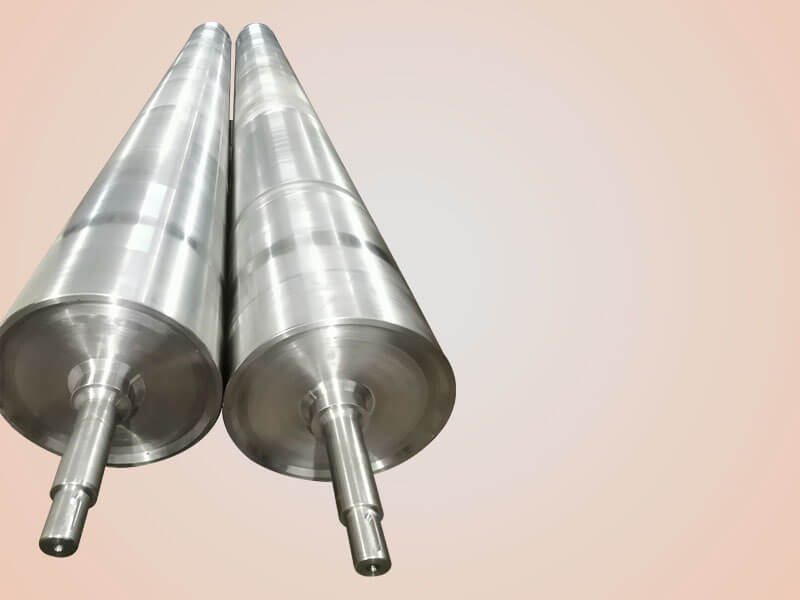
Sometimes, the raw metal needs an extra layer of “armor.” Stainless steel roller coating technology has advanced significantly, allowing rollers to survive in environments that would otherwise destroy them in months.
Passivation
This is a chemical process that removes “tramp iron” from the surface of the roller and enhances the protective chromium oxide layer. Every high-quality anti-corrosion roller should undergo passivation before leaving the factory.
Electropolishing
This process smooths the surface of the roller at a microscopic level. By removing the “peaks and valleys” on the metal surface, there are fewer places for moisture and chemicals to hide and start the corrosion process.
Specialized Coatings
In industries like printing or plastic extrusion, rollers often need additional protection:
- Chrome Plating: Increases hardness and adds an extra barrier against wear and rust.
- Teflon (PTFE) Coatings: Excellent for non-stick properties and chemical resistance in textile and packaging plants.
- Ceramic Coatings: Used for extreme heat and abrasion resistance.
Best Practices for Industrial Stainless Steel Roller Maintenance
Even the best corrosion-resistant rollers require a consistent maintenance schedule. Think of your rollers like a fleet of vehicles; if you don’t service them, they will break down.
Regular Cleaning (The “Simple” Secret)
The most common cause of premature corrosion is the buildup of debris. Dust, chemical residue, and moisture sit on the roller surface, creating “pitting” corrosion.
- Action: Clean rollers weekly using pH-neutral cleaners. Avoid using steel wool or carbon steel brushes, as these can leave behind particles that cause “tea staining” (surface rust).
Lubrication Management
Corrosion often starts at the bearings and the ends of the rollers (the journals). If moisture gets into the internal components, the roller will seize.
- Action: Use high-quality, water-resistant lubricants. For food-grade packaging or pharmaceutical plants, ensure you are using certified H1 lubricants.
Monitoring Environmental Conditions
If your factory floor is constantly damp or has poor ventilation, your rollers are at risk.
- Action: Improve airflow around the machinery. In steel plants or textile mills, using dehumidifiers in critical sections can extend roller life by years.
Preventing Galvanic Corrosion
This is a technical issue that many factory managers overlook. Industrial roller maintenance must include checking how the roller interacts with the rest of the machine.
If a stainless steel roller is bolted directly to a carbon steel frame without insulation, the “weaker” metal will corrode, often damaging the roller’s journals in the process.
- The Solution: Use non-conductive gaskets, washers, or bushings (like nylon or specialized plastics) to “break” the electrical connection between different types of metal.
Identifying Early Warning Signs
Early detection saves thousands of dollars. Train your floor operators to look for these signs:
- Tea Staining: Small brown spots on the surface. This isn’t structural yet, but it means the protective layer is failing.
- Pitting: Tiny holes or craters. This is a sign of deep corrosion and requires immediate attention.
- Increased Vibration: If a roller starts to vibrate, it may be due to internal corrosion in the bearings or shaft.
Partnering with a Specialist: Why Siva Rollers?
Choosing a stainless steel rollers manufacturer is more than just a transaction; it is a partnership for your plant’s efficiency. At Siva Rollers, we don’t just “sell” rollers—we engineer solutions.
Whether you are in the printing industry, textile manufacturing, or plastic extrusion, we understand that every millimeter counts. Our anti-corrosion rollers are built to withstand the specific rigors of your industry, ensuring that your production line stays moving.
Our Commitment:
- Precision Engineering: Rollers balanced for high-speed performance.
- Material Integrity: Guaranteed grades (304, 316, 410, etc.) with material test reports.
- Customization: Tailored coatings and dimensions to fit your existing machinery perfectly.
Protect Your Investment
Corrosion is an expensive enemy, but it is not an invincible one. By selecting the correct grade of steel, applying the right coatings, and sticking to a simple but disciplined industrial roller maintenance routine, you can double or even triple the lifespan of your equipment.
Don’t wait for a breakdown to think about corrosion prevention for rollers. Proactive care today means higher profits tomorrow.
Are you looking for high-performance, durable rollers for your facility? Contact Siva Rollers today. As a trusted stainless steel roller manufacturer, we provide the expertise and the hardware you need to thrive in the harshest industrial conditions.
Contact US : +91 75070 10009 , info@sivarollers.com
FAQs
Stainless steel relies on a passive layer of chromium oxide for protection. In harsh conditions—such as high humidity, chemical exposure (acids/alkalis), or chloride attacks—this layer is stripped away. Once the bare steel is exposed to oxygen and moisture, oxidation occurs, leading to rust and structural failure.
For standard industrial use, Grade 304 is common. However, for "harsh conditions" involving salt or chemicals, Grade 316 is the gold standard because it contains molybdenum for superior chloride resistance. For extreme heavy-duty environments, Duplex Stainless Steel offers double the strength and maximum corrosion resistance.
Passivation is a chemical treatment that removes "tramp iron" and surface contaminants. This process enhances the protective chromium oxide layer, ensuring the roller is "sealed" against environmental factors before it even enters service. Every high-quality anti-corrosion roller should undergo this process.
Electropolishing smooths the metal surface at a microscopic level. By eliminating the "peaks and valleys" where moisture and chemicals typically collect, it reduces the risk of pitting corrosion and makes the roller significantly easier to clean during routine maintenance.
Yes. Depending on your industry (textile, printing, or packaging), you can apply:
- Chrome Plating: For increased hardness and a rust barrier.
- Teflon (PTFE): For chemical resistance and non-stick properties.
- Ceramic Coatings: For environments involving extreme heat and abrasion.
Look for Tea Staining (small brown surface spots), Pitting (tiny craters in the metal), or Increased Vibration. Vibration often indicates that internal corrosion has reached the bearings or the shaft, which can lead to imminent mechanical failure.
Rollers should ideally be cleaned weekly using pH-neutral cleaners. It is critical to avoid using steel wool or carbon steel brushes, as these can embed iron particles into the stainless steel, causing a reaction known as "tea staining."
Galvanic corrosion occurs when stainless steel rollers come into contact with a different metal (like a carbon steel frame) in the presence of moisture. To prevent this, use non-conductive gaskets, nylon washers, or plastic bushings to break the electrical connection between the two metals.
Corrosion often starts at the ends of the roller (the journals) and the bearings. Using high-quality, water-resistant lubricants—or H1 certified lubricants for food and pharma—creates a moisture barrier that prevents the internal components from seizing.
A specialized stainless steel rollers manufacturer provides more than hardware; they provide precision engineering. Partners like Siva Rollers offer guaranteed material grades (304, 316, 410), material test reports, and custom-engineered coatings tailored to your specific factory environment to maximize ROI.