Improving Fabric Tension Control with Precision Ebonite Rollers
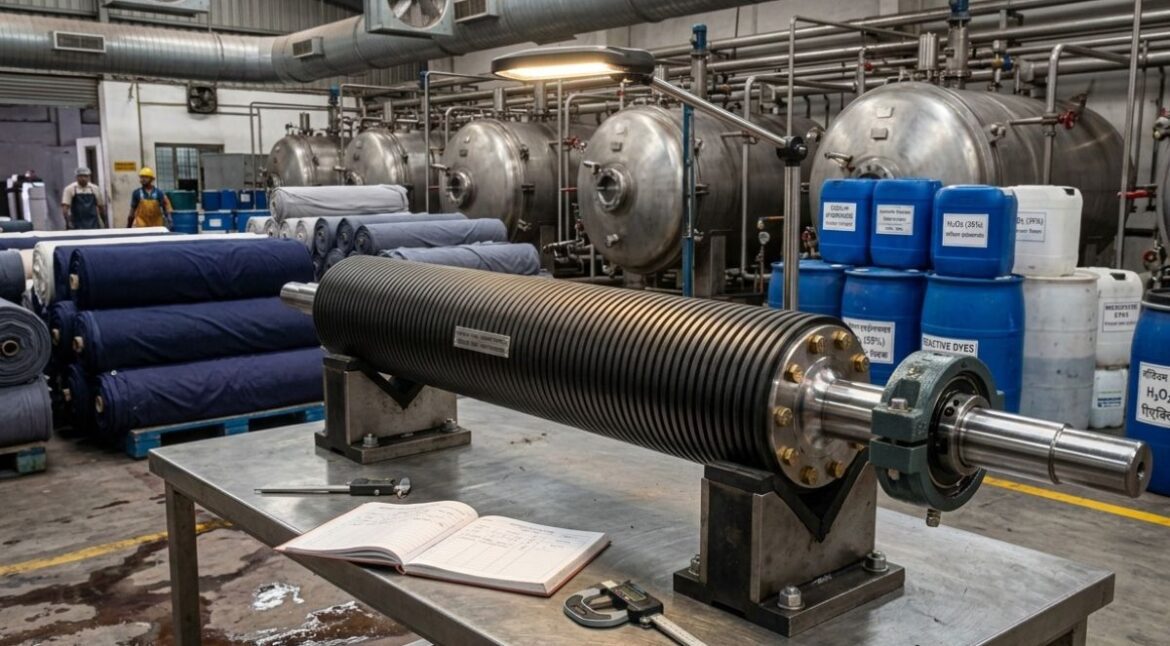
In the high-speed world of textile manufacturing and paper processing, precision is the difference between a high-quality product and costly waste. One of the most significant challenges engineers face is maintaining consistent fabric tension. Even minor fluctuations can lead to wrinkles, uneven dyeing, or material tearing. To solve these issues, industry leaders are increasingly turning to the Ebonite Roller as the gold standard for stability and durability.
In this guide, we will explore how high-performance Industrial Ebonite Rollers optimise tension control, protect your machinery, and ensure long-term ROI for your facility.
Understanding the Role of Ebonite in Industrial Processing
Ebonite is a unique hard rubber material created through a specialised vulcanisation process with a high sulfur content. The result is a substance that combines the toughness of plastic with the chemical resilience of rubber. For an Ebonite Roller Manufacturer, the goal is to create an incredibly hard surface (often reaching 90-100 Shore A) yet smooth enough to handle delicate textiles or paper webs without causing abrasion.
When you invest in a Custom Ebonite Rollers solution, you are not just buying a cylinder; you are implementing a precision-engineered tool designed to handle specific mechanical stresses.
Why Fabric Tension Fails: Common Industrial Pain Points
Before looking at the solution, we must understand the problem. Poor tension control usually stems from three factors:
- Surface Slippage: If a roller lacks the proper grip or surface finish, the fabric “skims” over the top, leading to inconsistent feed rates.
- Chemical Degradation: In dyeing or coating sections, rollers are exposed to harsh liquids. Standard rubber swells or softens, changing the roller’s diameter and ruining tension math.
- Mechanical Deflection: Low-quality rollers may flex under load, causing “baggy” centres or tight edges in the fabric.
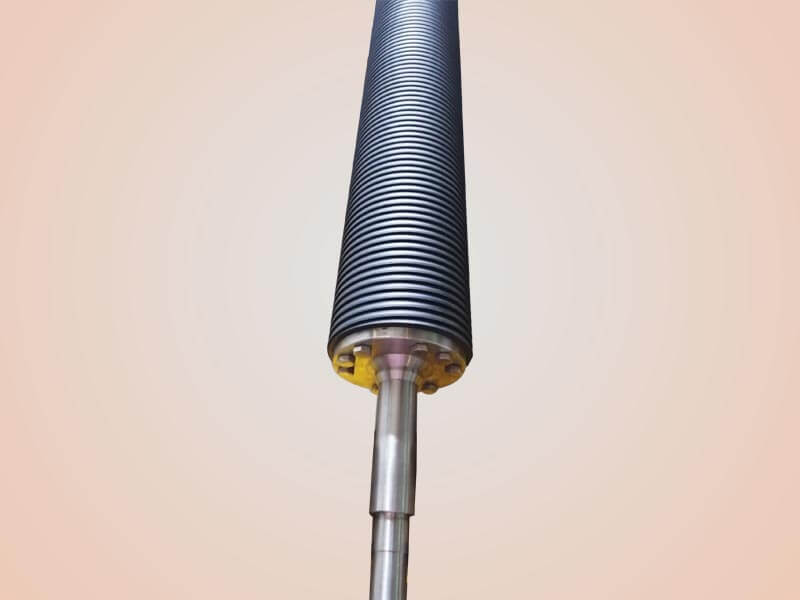
By switching to an Ebonite Coated Roller, many of these issues are eliminated due to the material’s inherent rigidity and surface consistency.
Why Fabric Tension Fails: Common Industrial Pain Points
Before looking at the solution, we must understand the problem. Poor tension control usually stems from three factors:
- Surface Slippage: If a roller lacks the proper grip or surface finish, the fabric “skims” over the top, leading to inconsistent feed rates.
- Chemical Degradation: In dyeing or coating sections, rollers are exposed to harsh liquids. Standard rubber swells or softens, changing the roller’s diameter and ruining tension math.
- Mechanical Deflection: Low-quality rollers may flex under load, causing “baggy” centres or tight edges in the fabric.
By switching to an Ebonite Coated Roller, many of these issues are eliminated due to the material’s inherent rigidity and surface consistency.
The Advantages of Precision Ebonite Rollers for Tension Control
1. Exceptional Dimensional Stability
Precision is the heart of tension control. Because ebonite is a hard, thermoset material, it does not compress easily under the high-pressure loads of a textile line. This means the diameter stays constant, ensuring that the “Surface Speed” of the roller matches your PLC settings exactly.
2. Resistance to Chemicals and Corrosion
Many textile processes involve acidic or alkaline baths. A standard roller might degrade, but Chemical Resistant Rubber Rollers made from ebonite are virtually immune to most industrial chemicals. This prevents the “pock-marking” or pitting on the roller surface that often causes fabric snags and tension spikes.
3. High Surface Finish Options
An Ebonite Coated Roller Manufacturer can provide various finishes—from mirror-polished to matte—depending on the coefficient of friction required for your specific fabric type. This customizability allows for “micro-grip” without damaging the fibre.
Critical Applications: From Dyeing to Size Press Rollers
The versatility of ebonite makes it essential in several stages of production:
- Wet Processing: Ebonite’s non-porous nature makes it ideal for squeeze rollers where water removal must be uniform.
- Size Press Sections: In paper and textile sizing, Size Press Rollers must maintain a perfect nip profile. Ebonite ensures that the sizing liquid is applied evenly across the entire width of the web.
- Guide Rollers: For long spans of fabric, ebonite guide rollers provide a low-vibration path that prevents the “oscillation” effect that often leads to edge curling.
How to Choose the Right Ebonite Roller Manufacturer
Not all rollers are created equal. When sourcing Industrial Ebonite Rollers, look for a partner that offers:
- Dynamic Balancing: To prevent tension fluctuations at high speeds, rollers must be balanced to G2.5 or higher standards.
- Core Integrity: The internal steel or aluminium core must be bonded perfectly to the ebonite coating to prevent delamination.
- Custom Formulations: Depending on your heat requirements or chemical exposure, the ebonite compound should be tweaked for maximum lifespan.
Maintenance Tips for Extending Roller Life
While ebonite is incredibly durable, a few simple maintenance steps will ensure your tension control remains precise for years:
- Regular Cleaning: Remove chemical residue or fiber buildup using approved solvents that don’t scratch the hard surface.
- Bearing Checks: Often, “tension issues” are actually failing bearings. Ensure your roller journals are lubricated.
- Visual Inspections: Look for hairline cracks or chips, especially after a “wrap-up” or mechanical jam in the machine.
Investing in Quality for Long-Term Success
Improving fabric tension is not just about expensive sensors; it starts with the hardware that actually touches your product. By integrating a high-quality Ebonite Roller into your production line, you reduce downtime, minimize waste, and produce a superior end product.
If you are currently facing inconsistencies in your web handling, it may be time to consult with an Ebonite Coated Roller Manufacturer. Upgrading to Custom Ebonite Rollers is a proven way to stabilize your process and protect your bottom line.
Looking for a reliable Ebonite Roller Manufacturer to solve your tension challenges? Contact our engineering team today for a technical consultation on Industrial Ebonite Rollers tailored to your specific machinery.
FAQs
An Ebonite Roller is used to maintain consistent fabric or paper tension during high-speed processing. It provides dimensional stability, chemical resistance, and controlled surface grip, which prevents wrinkles, slippage, and uneven coating or dyeing.
Precision ebonite rollers improve tension control by maintaining a constant diameter under load. Because ebonite is a hard vulcanized rubber (90–100 Shore A), it does not compress easily. This ensures accurate surface speed, stable nip pressure, and uniform web handling across the machine width.
Fabric tension usually fails due to:
- Surface slippage from low-friction rollers
- Chemical swelling that alters roller diameter
- Mechanical deflection under heavy load
Switching to Industrial Ebonite Rollers eliminates these issues due to their rigidity, chemical resistance, and structural strength.
Yes. Chemical Resistant Rubber Rollers made from ebonite are highly resistant to acidic and alkaline solutions. Unlike standard rubber, ebonite does not swell, soften, or degrade easily, making it ideal for wet processing, dyeing, and size press applications.
Most tension control applications use ebonite rollers with hardness between 90–100 Shore A. This high hardness prevents compression, ensures dimensional stability, and maintains consistent surface speed even at high RPMs.
Industries that benefit most include:
- Textile manufacturing
- Paper processing
- Printing and coating lines
- Packaging industries
- Wet processing plants
Custom Ebonite Rollers are especially valuable in high-speed web handling systems where tension precision directly affects product quality.
In size press sections, Size Press Rollers must maintain perfect nip pressure across the full width of the web. Ebonite’s rigidity ensures even pressure distribution, resulting in uniform chemical application and improved surface finish.
A reliable Ebonite Roller Manufacturer should provide:
- Dynamic balancing (G2.5 or better)
- Strong core bonding to prevent delamination
- Custom compound formulations
- Precision grinding and surface finishing
- Technical consultation for machine compatibility
These factors directly impact tension stability and roller lifespan.
With proper maintenance, Industrial Ebonite Rollers can last several years. Lifespan depends on operating speed, chemical exposure, load conditions, and routine maintenance practices like cleaning and bearing inspection.
To maintain tension accuracy:
- Clean rollers regularly with approved solvents
- Inspect for cracks or surface damage
- Monitor bearing condition and lubrication
- Avoid mechanical overload or wrap-up incidents
Preventive maintenance ensures consistent diameter, stable nip pressure, and long-term ROI.