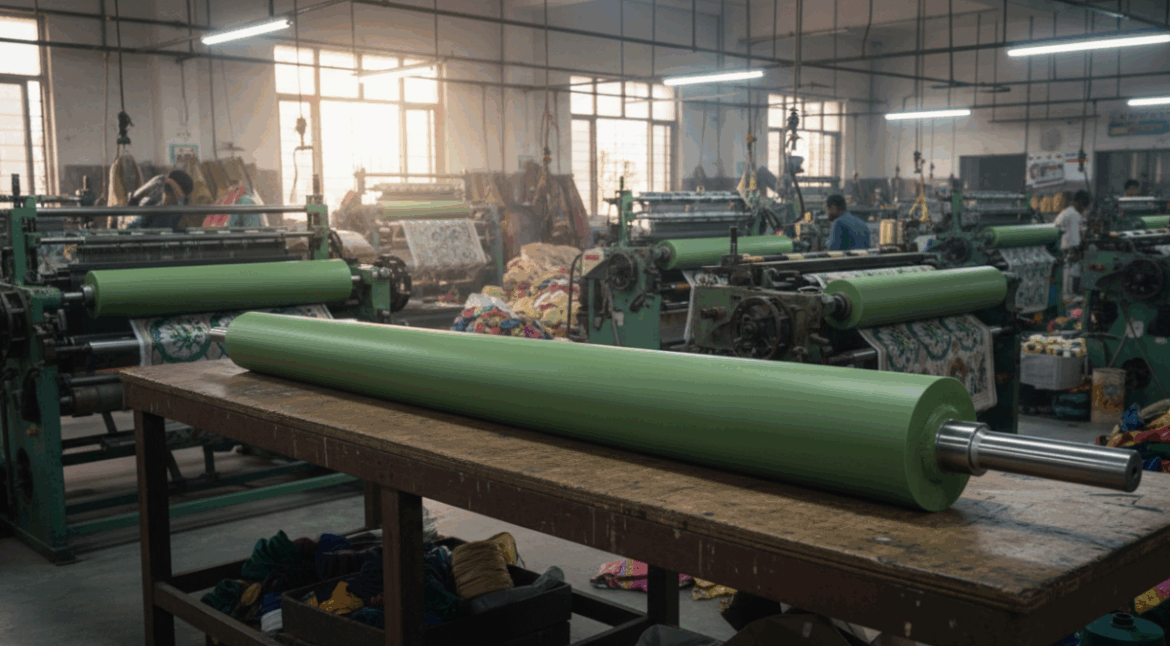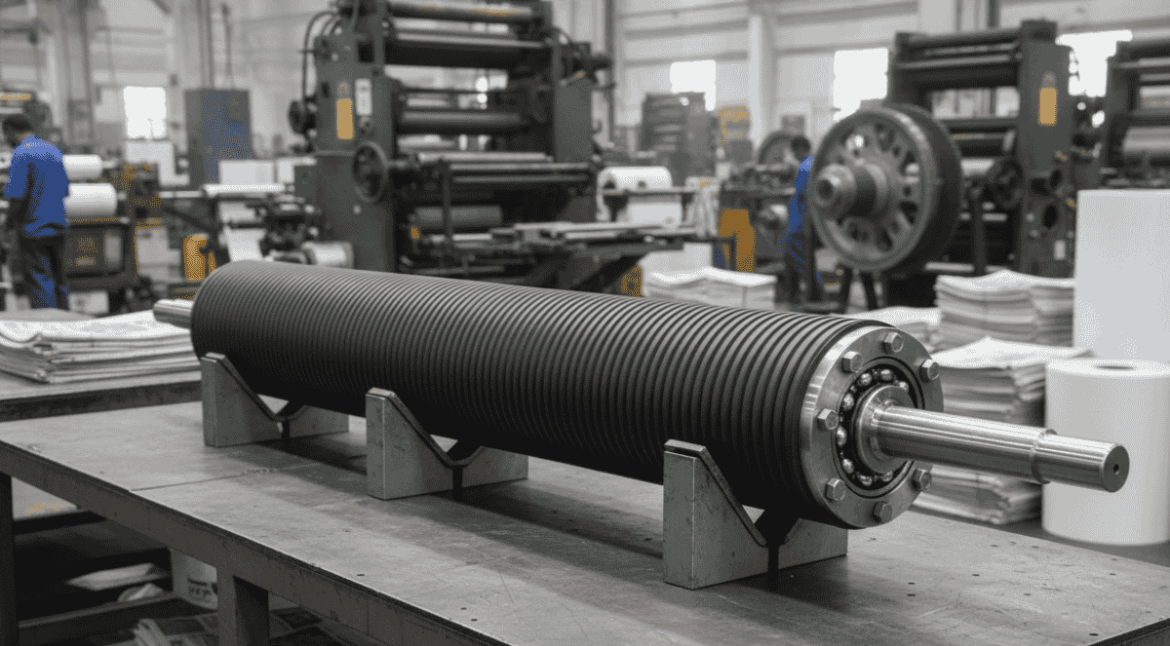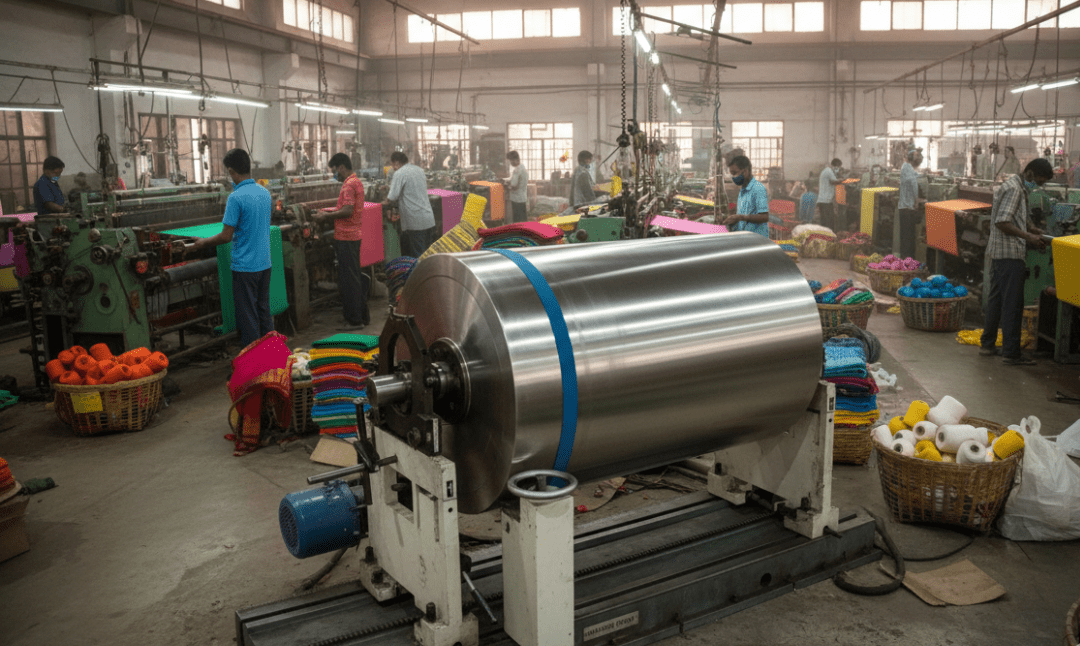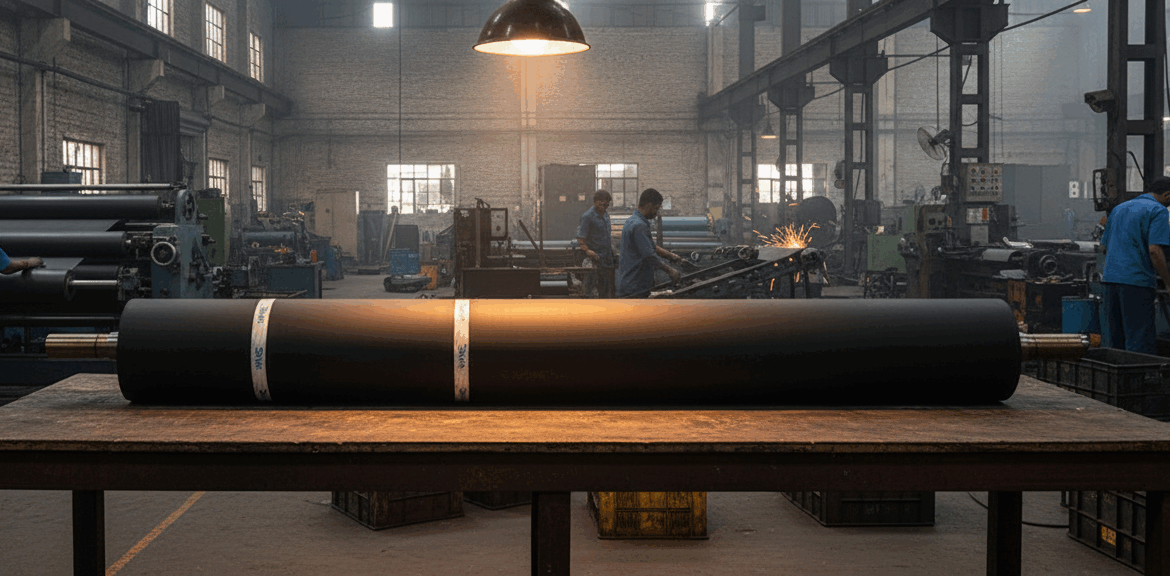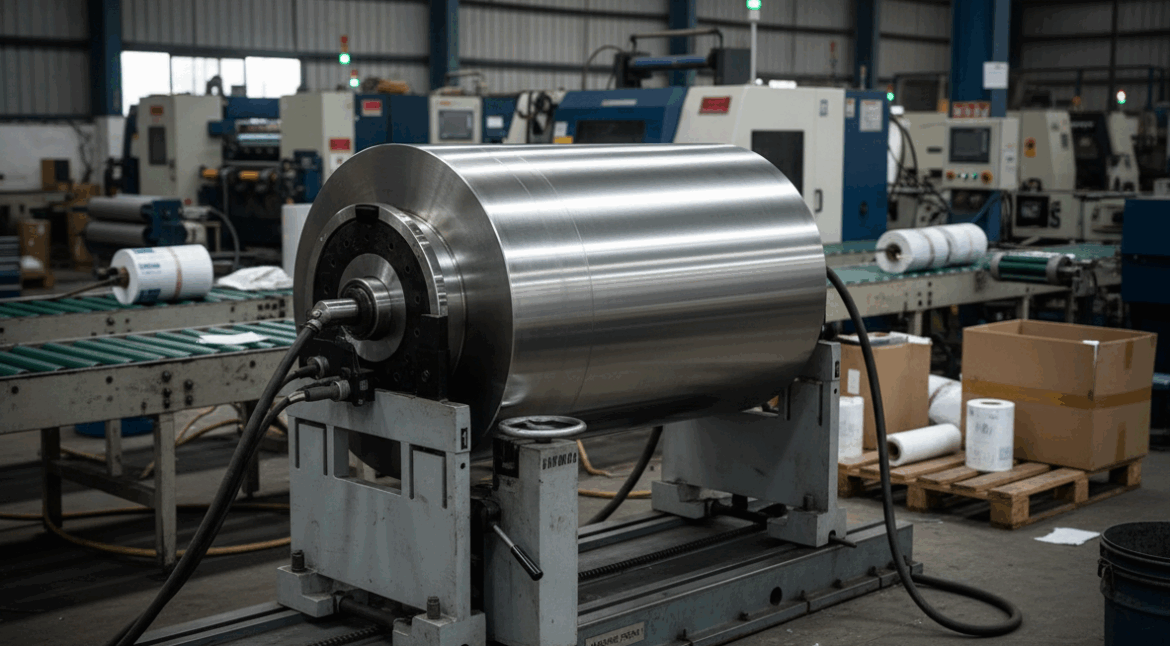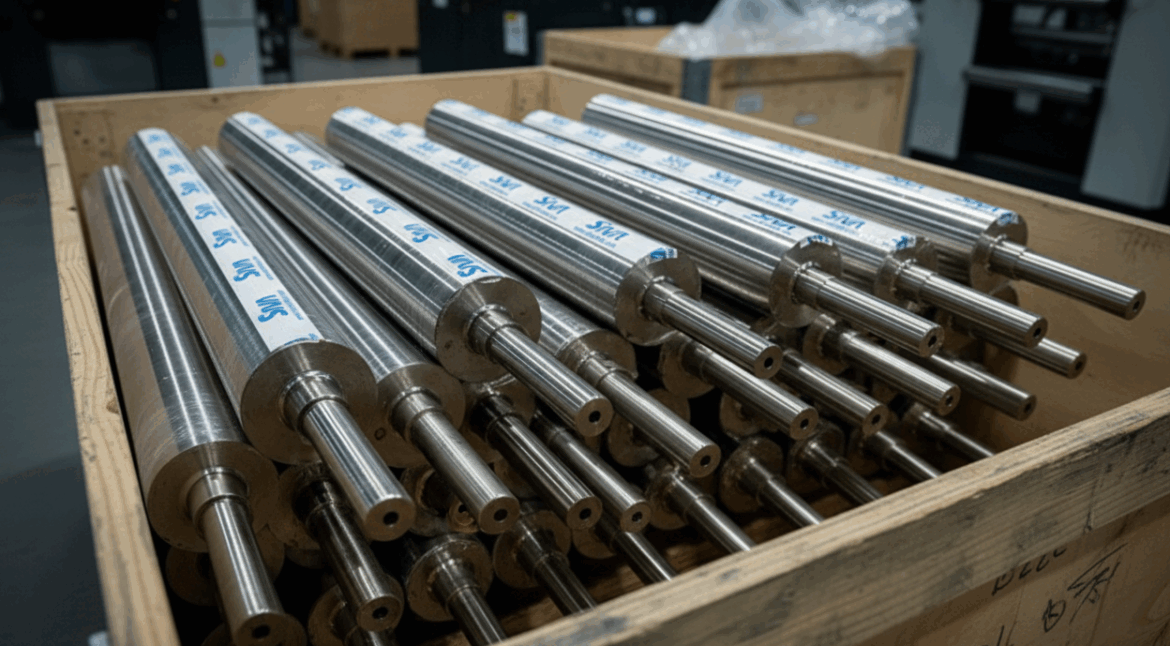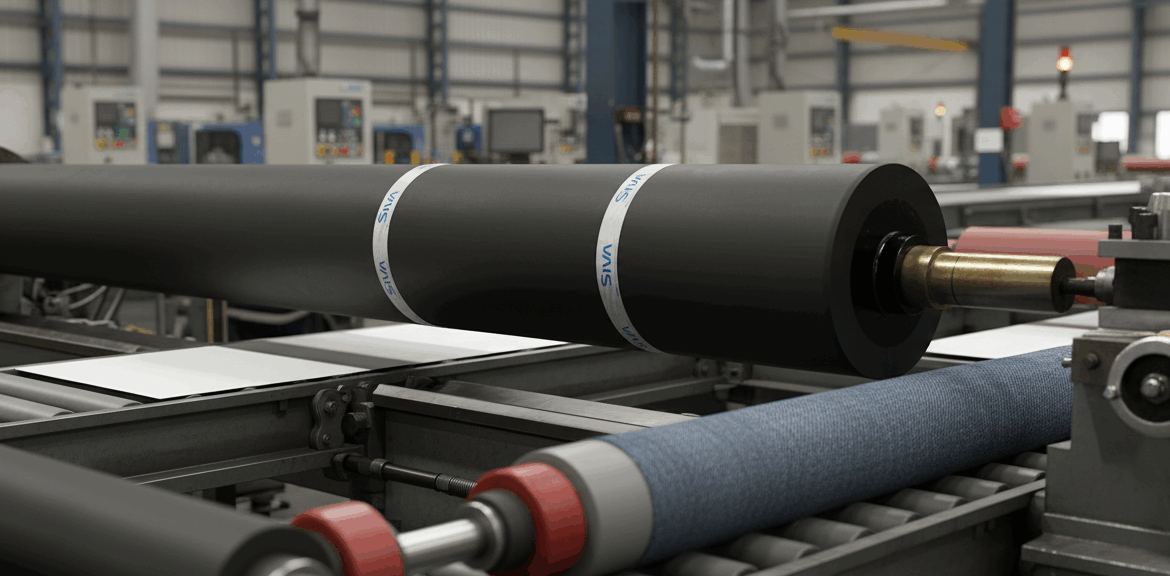
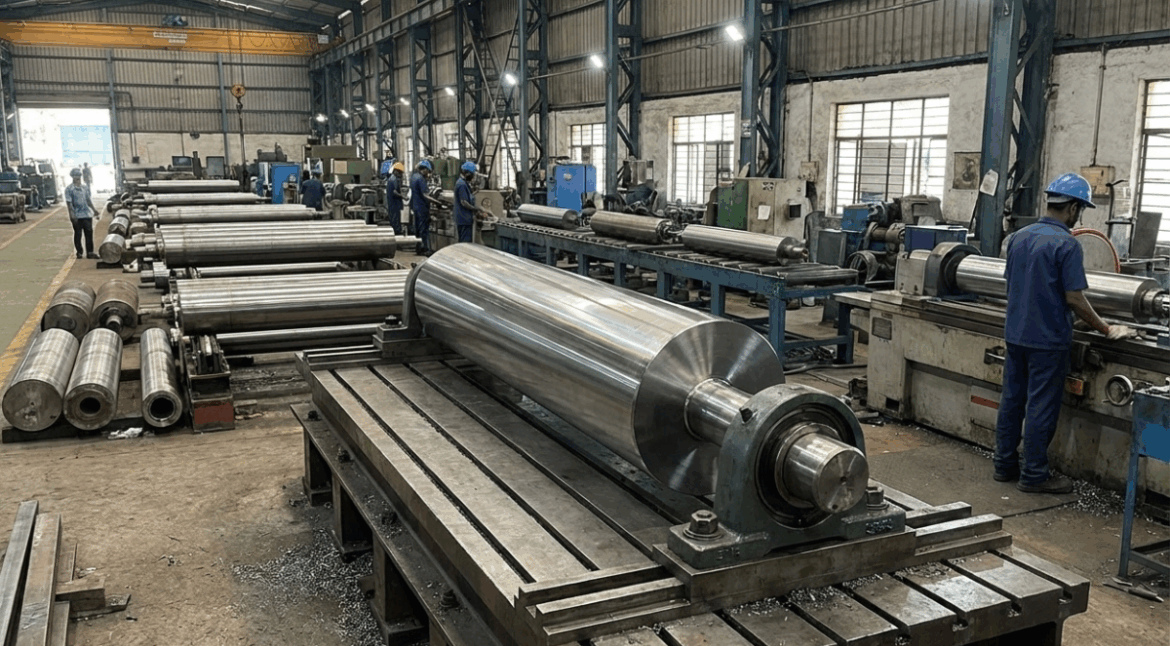
Every industrial operation—from the high-speed precision of printing presses to the heavy-duty demands of steel processing lines—relies on seamless, consistent performance. At the heart of this continuous flow are rollers. If you are an industrial buyer, plant manager, or procurement expert in India, you know the headache caused by rollers…
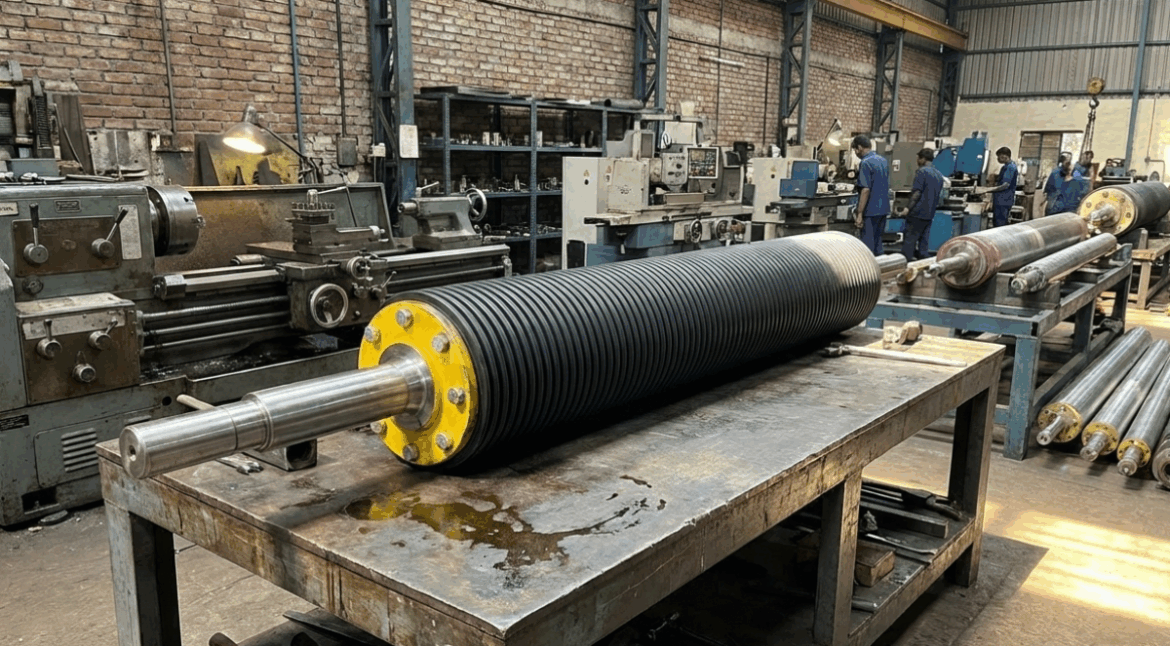
In India’s rapidly accelerating manufacturing sector, every minute of unexpected downtime translates directly into significant financial loss. As an industrial buyer, maintenance head, or production manager, you know the drill: the machinery is only as strong as its weakest component. And often, that weakest link is a standard, subpar roller…
In the fiercely competitive landscape of Indian manufacturing—from the high-speed packaging hubs in Pune to the heavy machinery units in Chennai and the processing plants across Gujarat—your machinery is your lifeline. Speed, precision, and relentless reliability are not optional; they are the bedrock of profitability. Yet, a silent enemy lurks…
In the competitive landscape of Indian high-speed printing—from flexible packaging and label manufacturing to high-end publication graphics—every operational detail determines profit or loss. Suppose you are a printing industry owner, a maintenance head, or a procurement specialist. In that case, you know that consistent, high-quality output depends on the performance…
How Heat Transfer Rollers Increase Productivity in Packaging Operations In today’s competitive manufacturing landscape, productivity is the heartbeat of packaging operations. Every second saved in production, every improvement in material handling, and every bit of efficiency gained directly impacts profitability. Among the many components that make modern packaging lines efficient,…
It is tempting to think that Supply Chain 4.0 consists primarily in implementing a set of disruptive Industry 4.0 technologies. However, to transform from a traditional to a fully digital and interconnected supply chain requires a new way of strategic supply chain management. There are four key questions to be…