Textile Rubber Roller for Spinning and Weaving Machines: The Complete Industry Guide
In the high-speed world of textile manufacturing, the difference between a premium fabric and a rejected batch often comes down to a few millimeters of rubber. Whether you are overseeing a spinning unit or managing a massive weaving factory, you understand that your machinery is only as reliable as its smallest components. Among these, the Textile Rubber Roller stands as a critical interface between mechanical force and delicate fiber.
At Siva Rollers, we have observed how precision-engineered rubber rollers transform production efficiency. This guide explores why choosing the right textile rubber roller is a strategic business decision that impacts your yarn quality, machine downtime, and overall bottom line.
Why the Textile Rubber Roller is the Heart of Your Production Line
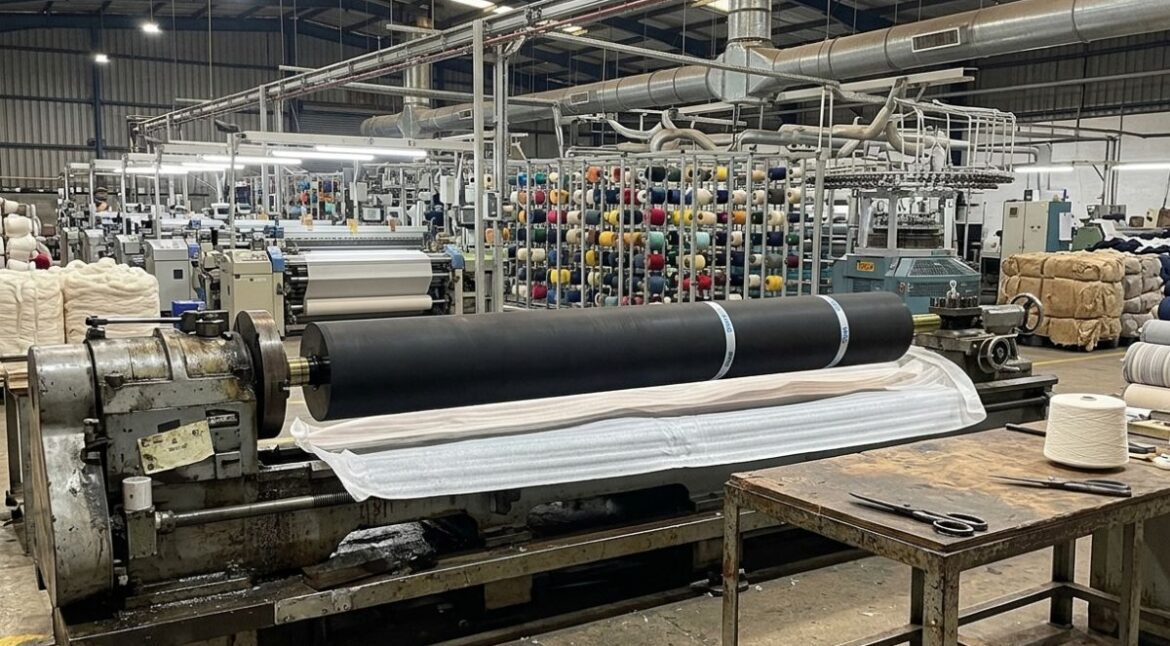
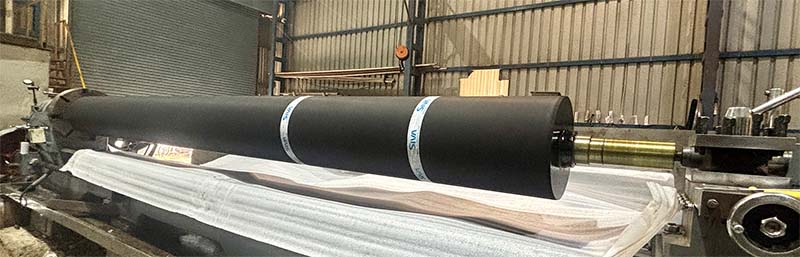
A textile rubber roller is not merely a cylinder covered in rubber; it is a precision tool designed to manage friction, tension, and moisture. In spinning and weaving operations, these rollers perform tasks that require extreme consistency. From the initial carding stages to the final finishing of the fabric, the rubber surface must maintain a specific Shore hardness (durometer) and chemical resistance to ensure the textile material is handled without damage.
For spinning machine applications, rollers are responsible for drafting, where fibers are elongated and thinned. Any irregularity in the rubber surface—even a microscopic pit or a slight loss of elasticity—leads to yarn unevenness (U%). In weaving machines, rollers control the take-up and let-off motions, ensuring the warp and weft integrate at the exact tension required for a flawless weave.
The Role of Rubber Rollers in Spinning Machines
Spinning is a process of precision. When you are looking for a textile rubber roller for spinning machine applications, you are looking for a component that can withstand high-speed rotations while resisting the abrasive nature of synthetic or natural fibers.
Drafting and Cots
In ring spinning and speed frames, the top rollers (often referred to as cots) are the primary contact point. A high-quality rubber roller ensures a uniform grip on the fiber strand. If the rubber is too soft, it wears out prematurely; if it is too hard, it fails to grip the fiber, leading to “ends down” and production halts.
Resilience Against Lapping
One of the biggest challenges in spinning units is “lapping”—where fibers stick to the roller surface. Advanced textile rubber rollers are now engineered with anti-static properties and specific surface treatments to prevent fiber adhesion, even in high-humidity environments.
If your maintenance team is frequently cleaning rollers or dealing with fiber wrap-ups, it is a clear sign that your current rollers lack the necessary surface chemistry for your specific fiber blend.
Benefits of Using High-Quality Textile Rubber Rollers
Choosing the right textile rubber coated roller offers significant advantages for textile manufacturers.
Improved Fabric and Yarn Quality
Consistent pressure and smooth operation result in better yarn uniformity and fabric finish.
Increased Machine Efficiency
High-quality rollers reduce friction and improve operational speed.
Reduced Downtime
Durable rollers minimize frequent replacements and maintenance interruptions.
Cost Savings
Though premium rollers may have a higher upfront cost, they deliver long-term savings through performance and durability.
Better Production Control
Precision-engineered rollers ensure consistent results across production batches.
For textile machinery buyers and procurement teams, these benefits directly impact profitability and operational efficiency.
Precision Rollers for Weaving and Processing
In the weaving shed, the demands change. A weaving machine rubber roller must prioritize grip and durability over delicate drafting. These rollers handle the finished or semi-finished fabric, meaning they must be non-marking and resistant to the various sizing chemicals used in the warp.
Take-up Rollers
In the weaving shed, the demands change. A weaving machine rubber roller must prioritize grip and durability over delicate drafting. These rollers handle the finished or semi-finished fabric, meaning they must be non-marking and resistant to the various sizing chemicals used in the warp.
Chemical Resistance in Processing
For those involved in dyeing, bleaching, or mercerizing, the textile processing roller must be a chemical fortress. The rubber must not swell, crack, or lose its properties when exposed to caustic sodas, acids, or high-temperature dyes. Choosing a specialized textile rubber coated roller ensures that the roller doesn’t degrade and contaminate the fabric with rubber particles.
How to Choose the Right Textile Rubber Roller for Your Facility
Selecting a roller is not a “one size fits all” process. Industrial procurement teams and maintenance managers should evaluate several technical factors before placing an order.
1. Hardness (Shore A Scale)
The Shore hardness determines how much the rubber “gives” under pressure.
- Soft Rollers (60-70 Shore A): Generally used for delicate finishing or high-grip requirements.
- Medium Rollers (75-85 Shore A): The standard for most drafting and take-up applications.
- Hard Rollers (90+ Shore A): Used in heavy-duty squeezing or guide applications where high pressure is applied.
2. Environmental Compatibility
Will the roller be exposed to oil? High heat? Specific chemicals? A custom textile rubber roller can be manufactured using Nitrile (NBR), Neoprene, EPDM, or Silicone depending on the environment. For instance, EPDM is excellent for high-heat applications, while Nitrile offers superior oil resistance.
3. Dimensional Accuracy
In high-speed textile machinery, “run-out” (the deviation from a perfect circle) must be near zero. Even a 0.05mm error can cause vibrations that vibrate through the entire machine frame, leading to premature bearing failure and inconsistent fabric quality.
Signs You Need to Replace Your Textile Rubber Rollers
Waiting for a roller to physically break is a costly mistake. Preventive maintenance involves identifying the signs of “fatigue” before they cause a production disaster.
- Glazing: When the roller surface becomes shiny and smooth, it loses its “coefficient of friction.” This leads to slippage.
- Pitting or Grooving: Constant contact with yarn can wear a physical groove into the rubber. This is common in spinning frames where the yarn path is constant.
- Swelling or Softening: This is usually a sign of chemical incompatibility. If the roller feels “tacky” or “sticky,” it needs immediate replacement.
- Vibration: If the machine is noisier than usual, the internal core of the roller may be unbalanced or the rubber may have “flat spots” from sitting idle under pressure.
If you notice any of these signs, it is time to consult a textile roller manufacturer who understands the nuances of mechanical tolerances.
The Economic Impact of High-Quality Rollers
As a mill owner or purchase head, you might be tempted to choose the lowest-cost option. However, the “True Cost of Ownership” tells a different story.
A cheaper, low-grade industrial textile rubber roller may save you 15% on the initial purchase but cost you 500% more in electricity (due to friction), waste (due to yarn defects), and labor (due to frequent replacements). Premium rollers from a trusted manufacturer like Siva Rollers offer a longer “grinding interval,” meaning you can go longer between maintenance cycles without sacrificing quality.
Why Partner with Siva Rollers?
Siva Rollers has established itself as a leading textile rubber roller manufacturer by focusing on the intersection of polymer science and mechanical engineering. We don’t just supply rollers; we provide solutions for specific textile challenges.
Our manufacturing process involves:
- Precision Core Balancing: Ensuring smooth operation at high RPMs.
- Advanced Bonding Technology: Preventing rubber-from-metal peeling even under extreme pressure.
- Custom Compounding: We develop rubber recipes tailored to your specific fiber types and chemical exposures.
Whether you need a single custom textile rubber roller for a prototype machine or a bulk order for a full spinning unit upgrade, our team provides the technical support needed to ensure your machines run at peak performance.
Final Thoughts for Industrial Buyers
The textile industry is becoming increasingly competitive. To stay ahead, your machinery must be optimized for speed, quality, and reliability. The textile machine rubber roller is a small component with a massive impact. By investing in high-quality, engineered rollers, you are effectively protecting your machinery and guaranteeing the quality of your output.
Are you looking to improve your fabric quality or reduce maintenance downtime? Our engineers are ready to help you select the perfect specifications for your needs.
By choosing Siva Rollers, you are choosing a partner dedicated to the precision and longevity of your textile operations. Let’s build a more efficient production line together.
Contact Us
Emial : info@sivarollers.com
Phone Number :
FAQs
A textile rubber roller is used to control fiber movement, tension, and pressure during spinning and weaving processes. It ensures uniform yarn drafting in spinning machines and consistent fabric tension in weaving machines, directly impacting product quality.
Rubber rollers play a critical role in fiber drafting by maintaining uniform grip and pressure. High-quality rollers prevent yarn irregularities (U%), reduce ends-down issues, and improve overall spinning efficiency.
The ideal hardness depends on the application:
- 60–70 Shore A: Soft rollers for delicate operations
- 75–85 Shore A: Standard for spinning and weaving
- 90+ Shore A: Heavy-duty industrial applications
Choosing the right hardness ensures optimal grip, durability, and performance.
Precision-engineered rubber rollers provide consistent pressure and smooth surface contact, which leads to uniform yarn thickness, reduced defects, and better fabric finishing quality.
Low-quality rollers can cause:
- Yarn unevenness
- Fabric defects (thick/thin areas)
- Increased machine downtime
- Frequent maintenance and replacements
- Higher operational costs
You should replace a rubber roller if you notice:
- Surface glazing (loss of grip)
- Grooving or pitting
- Swelling or softening due to chemicals
- Machine vibration or noise
Early replacement prevents production losses.
Different materials are used based on application:
- Nitrile (NBR): Oil resistance
- EPDM: Heat and chemical resistance
- Neoprene: General industrial use
- Silicone: High-temperature applications
Selecting the right material ensures long service life.
High-quality rollers are designed for durability and precision, reducing wear, fibre lapping, and maintenance frequency. This leads to fewer breakdowns and continuous production.
Yes, custom rollers are designed based on machine type, fiber material, and operating conditions. They offer better performance, longer lifespan, and improved production efficiency compared to generic rollers.
High-quality textile rubber rollers provide:
- Better yarn and fabric quality
- Lower maintenance costs
- Higher machine efficiency
- Longer operational life
They offer a higher return on investment despite a slightly higher upfront cost.
You can purchase high-performance textile rubber rollers from trusted manufacturers like Siva Rollers, Ahmedabad, who specialize in custom-engineered solutions for spinning and weaving industries.