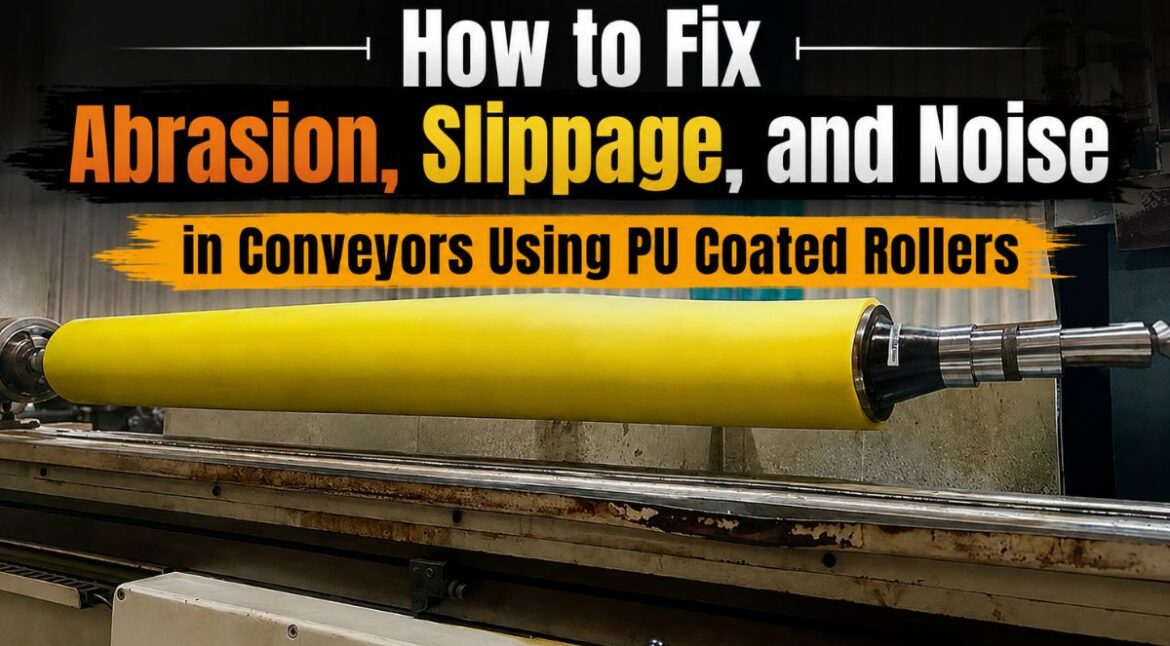
How to Fix Abrasion, Slippage, and Noise in Conveyors Using PU Coated Rollers
Conveyor problems rarely begin as major failures. In many factories, the first signs are much smaller: the belt starts wearing faster than expected, material does not move smoothly, or an unusual sound appears during operation.
These problems can affect production quality, increase maintenance work, and create unnecessary interruptions. One component that can make a noticeable difference is the roller that supports or guides the conveyor belt.
A PU Coated Roller can help when better surface contact, smoother movement, and resistance to everyday wear are needed. But simply replacing an old roller with a PU roller is not always enough. The roller must suit the working conditions, belt movement, material being handled, and overall conveyor arrangement.
This guide explains how abrasion, slippage, and noise can develop in conveyor systems and how the right PU Coated Roller can help address these problems.
Why Conveyor Rollers Matter More Than They Seem
A conveyor roller may look like a simple rotating part, but its condition directly affects how the belt moves.
When the roller surface becomes worn, damaged, uneven, or unsuitable for the application, the belt may not move as smoothly as it should. Over time, this can contribute to belt wear, movement problems, unwanted sound, and more frequent maintenance.
This is why roller selection should not be based only on dimensions or appearance.
The working environment matters too.
A conveyor carrying packaged products in a clean production area has different requirements from one handling dusty materials, heavy products, or materials that can cause surface wear.
For such applications, a PU Roller can be considered where a durable and suitable contact surface is required.
Problem 1: Abrasion and Fast Surface Wear
Abrasion is one of the common reasons conveyor rollers need attention.
Everyday movement can gradually wear the roller surface, especially when the conveyor operates for long periods or handles materials that are rough, dusty, or demanding.
A worn roller can create several secondary problems.
The belt may no longer receive consistent support. Movement can become less smooth, and the damaged surface may increase wear on the belt itself.
In some factories, the problem is initially treated as a belt issue. However, replacing the belt without checking the rollers may only provide a temporary solution.
How a PU Coated Roller Can Help
Polyurethane is commonly selected for roller covering because it offers a useful combination of durability and surface grip.
A properly selected PU Coated Roller can provide a more suitable working surface than an old or badly worn roller. It can help the roller withstand regular contact and reduce the impact of everyday surface wear.
The important point is that the coating should match the actual application.
The type of material being transported, working environment, cleaning practices, and expected operating conditions should all be considered before choosing the roller.
What to Check When Abrasion Appears
Before changing the roller, inspect the conveyor as a complete system.
Look for:
- Visible wear on the roller surface
- Uneven areas on the covering
- Signs of belt rubbing
- Dirt or material build-up
- Damage around the roller edges
- Changes in belt movement
- Rollers that are no longer rotating smoothly
This simple inspection can help identify whether the roller is actually contributing to the problem.
Problem 2: Belt Slippage
Slippage happens when the belt does not move as smoothly with the roller as it should.
It can appear as irregular belt movement, delayed movement, or unwanted movement between the belt and roller.
Several conditions can contribute to this problem. A worn roller surface is one possibility. Contamination, unsuitable surface contact, poor alignment, and changes in the conveyor condition can also play a role.
Replacing the roller without understanding the reason for slippage may not solve the underlying issue.
Why Surface Grip Matters
The contact between the roller and belt is important.
If the roller surface does not provide enough grip for the application, the belt may struggle to move consistently. A suitable PU Roller can provide a more appropriate contact surface and help improve belt movement.
This is particularly useful in applications where the conveyor needs controlled and consistent movement.
However, PU should not be treated as a universal solution.
The right covering depends on the actual application. A good roller manufacturer will normally want to understand the conveyor environment before recommending a roller covering.
Problem 3: Unwanted Conveyor Noise
Noise is another warning sign that should not be ignored.
A conveyor that suddenly becomes louder may have a problem with one or more moving parts. The sound may come from worn roller surfaces, poor movement, material build-up, damaged components, or a roller that is not moving properly.
Sometimes the noise appears gradually, making it easy for operators to become accustomed to it.
That can be a mistake.
A new or increasing sound can be an early indication that something needs inspection.
Can PU Coating Reduce Noise?
In suitable applications, the softer working surface of a PU Coated Roller can help create smoother contact between the roller and the belt or conveyed material.
This can contribute to quieter operation compared with a damaged, rough, or unsuitable roller surface.
But noise should never be blamed on the roller alone.
If a conveyor is making unusual noise, inspect the complete movement path. Check the rollers, belt condition, surrounding components, and material build-up.
The goal should be to find the source of the noise rather than simply covering up the symptom.
When Should You Consider Replacing a Conveyor Roller?
There is no single replacement schedule that works for every factory.
A roller may need attention when its surface shows clear wear, when belt movement changes, or when repeated maintenance is required.
Some practical warning signs include:
The roller surface looks uneven.
Visible wear can indicate that the covering is no longer providing the intended working surface.
The belt does not move consistently.
If movement becomes irregular, the roller should be inspected along with the belt and other conveyor parts.
Noise has increased.
Unexpected sound can indicate wear or a movement problem.
The same roller repeatedly causes problems.
Repeated repairs may indicate that the roller covering or design is not suitable for the working conditions.
The conveyor environment has changed.
A roller selected for one application may not remain suitable if the material, cleaning method, operating pattern, or production process changes.
Why Choosing the Right PU Roller Matters
Not every PU roller is suitable for every conveyor.
This is an important point for purchasing teams and maintenance managers.
The right choice depends on the actual job of the roller.
For example, a roller used for guiding a belt may have different requirements from one that regularly contacts conveyed material. Similarly, a roller operating in a clean packaging environment may face different conditions from one working around dust or abrasive materials.
A useful purchasing discussion should therefore start with the application rather than simply asking for a “PU roller.”
Share the purpose of the roller, where it is being used, what it comes into contact with, and what problem the existing roller is causing.
This gives the manufacturer a better basis for suggesting a suitable solution.
Common Mistake: Choosing a Roller Only by Appearance
A roller can look well-made and still be unsuitable for a particular application.
The covering, surface finish, construction, and overall suitability all matter.
Another common mistake is selecting a roller only because it worked somewhere else in the factory.
Different conveyor sections can experience different conditions.
A better approach is to evaluate the roller according to its actual role.
This is also where experience becomes valuable. An established PU Coated Roller Manufacturer should be able to discuss the application and understand the problem before suggesting a replacement.
How Siva Rollers Approaches PU Coated Roller Applications
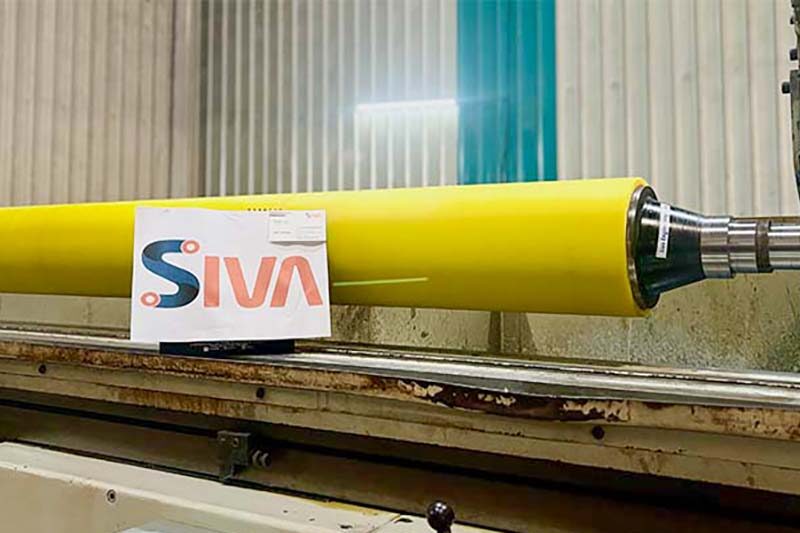
Siva Rollers (Siva Engineering Works) approaches industrial roller requirements from the application side rather than treating every roller as the same product.
As a PU Coated Roller Manufacturer in India, Siva Rollers works with industrial roller requirements where surface condition, durability, smooth movement, and application suitability are important considerations.
The practical starting point is understanding what the roller is expected to do.
For a customer experiencing belt slippage, abrasion, or unusual conveyor noise, the discussion should focus on the existing problem, operating environment, roller use, and maintenance history.
This approach helps avoid unnecessary replacement and gives the customer a clearer basis for making a roller selection.
For buyers looking for a PU Roller India supplier or manufacturer, application-based communication is particularly important. A roller should be selected because it fits the working requirement, not simply because PU is currently popular.
A Better Way to Troubleshoot Conveyor Roller Problems
When abrasion, slippage, or noise appears, avoid immediately replacing multiple components.
Start with observation.
Ask:
What changed?
Did the problem appear after a new material, production process, or maintenance activity?
Where does the problem occur?
Is it happening across the entire conveyor or only around one roller?
Has the roller surface changed?
Look for wear, damage, contamination, or uneven areas.
Is the belt moving correctly?
Check whether the belt is tracking and moving consistently.
Is the problem getting worse?
A small issue that becomes more noticeable over time deserves early attention.
This simple process can help maintenance teams identify whether the roller is contributing to the problem.
PU Coated Rollers Are a Solution, Not a Shortcut
A PU Coated Roller can be a practical choice for conveyor applications where a durable and suitable working surface is required.
It can help address problems associated with surface wear, inconsistent contact, and unwanted noise when the roller is correctly selected for the application.
But the coating alone cannot correct every conveyor problem.
Poor belt condition, incorrect setup, material build-up, damaged moving parts, or other maintenance issues may still need attention.
The best result comes from looking at the conveyor as a complete working system.
Choosing a PU Coated Roller Manufacturer in India
When selecting a manufacturer, price should not be the only consideration.
Look for a company that understands industrial roller applications and is willing to discuss the actual problem before recommending a product.
Useful questions include:
- Does the manufacturer understand the application?
- Can they discuss the reason for the existing roller failure?
- Do they offer suitable roller covering options?
- Can they support replacement or re-coating requirements?
- Do they clearly explain what information is needed before manufacturing?
- Do they focus on the application instead of making unsupported promises?
These questions can help buyers make a more informed decision.
For industrial users, the value of a roller is not simply in the coating. It is in how well the complete roller suits the job.
Final Takeaway
Abrasion, slippage, and noise should not be treated as normal parts of conveyor operation.
They are often useful warning signs that a roller, belt, or another part of the conveyor needs inspection.
A properly selected PU Coated Roller can help improve surface durability, contact, and smooth operation in suitable applications. The key is choosing the roller according to the real working conditions rather than selecting PU coating as a one-size-fits-all answer.
For manufacturers and maintenance teams, the most reliable approach is simple: identify the problem first, understand the roller’s role, and then select the covering and roller construction that suit the application.
Siva Rollers (Siva Engineering Works) is an industrial roller manufacturer in India offering PU coated roller solutions for different industrial requirements. Customers can discuss their conveyor application and existing roller problem before deciding on a replacement or re-coating requirement.
If your conveyor is showing abrasion, belt slippage, or unusual noise, reviewing the condition and suitability of the existing roller can be a useful first step toward finding the right solution.
FAQs
A PU Coated Roller is used in conveyor applications where a durable and suitable surface is needed for smooth belt or material movement. It can help address problems such as surface wear, belt slippage, and unwanted noise when the roller is properly selected for the application.
Yes, a suitable PU Coated Roller can help improve contact between the roller and conveyor belt. This can support more consistent belt movement and reduce slippage in suitable applications. However, belt condition, alignment, contamination, and other conveyor components should also be checked.
A PU Roller can provide a durable working surface that is suitable for applications where regular contact and surface wear are concerns. When the roller covering matches the working environment, it can help reduce problems associated with premature surface wear.
A PU Coated Roller may help reduce unwanted operating noise when the noise is related to rough or unsuitable roller-to-belt contact. However, conveyor noise can have several causes, so the belt, roller condition, surrounding components, and material build-up should also be inspected.
A conveyor roller may need replacement when its surface shows significant wear, belt movement becomes inconsistent, unusual noise develops, or the same roller repeatedly causes maintenance problems. The actual cause should be identified before selecting a replacement roller.
No. PU Rollers should be selected according to their actual application. The type of material being handled, conveyor environment, belt contact, operating conditions, and purpose of the roller can all affect the appropriate roller choice.
Before purchasing, identify the roller's purpose, the problem with the existing roller, the type of material it contacts, the working environment, and any visible signs of wear or damage. Providing this information to the manufacturer can help in selecting a more suitable PU Coated Roller.
No. A PU Coated Roller can help with certain surface-contact, wear, and movement-related problems, but it cannot correct every conveyor issue. Belt condition, alignment, material build-up, and other conveyor components may also need inspection and maintenance.
Choose a PU Coated Roller Manufacturer in India that understands the application rather than simply supplying a standard roller. The manufacturer should be willing to understand the existing problem, working environment, roller purpose, and maintenance requirements before recommending a suitable solution.
Siva Rollers (Siva Engineering Works) is an industrial roller manufacturer in India providing PU Coated Roller solutions for different industrial applications. Customers can share their conveyor requirements and existing roller problems with Siva Rollers to discuss a suitable roller or re-coating solution.