Resolving Line Wear and Friction Issues with Custom Chrome Coated Rollers
Walk onto the floor of any modern converting plant, printing facility, or textile mill, and you will hear the continuous rhythm of high-speed production. Material webs move across dozens of turning cylinders every minute. When everything runs seamlessly, production targets are met effortlessly. However, behind many sudden line stops and quality rejections lies a subtle, persistent issue: friction between the moving material and the surface supporting it.
When a moving web drags across a worn or unsuitable surface, the effects ripple through the entire operation. You see surface scratches on sensitive films, micro-tears in paper, static buildup, uneven tension, and unexpected maintenance downtime.
Many plant managers attempt to solve these issues by swapping in basic off-the-shelf parts or temporary surface fixes, only to find the same wear marks returning a few months later. Eliminating friction and premature surface degradation requires moving away from generic components and adopting purpose-engineered solutions.
In this guide, we will explore why standard options often fall short, how a custom Chrome Coated Roller addresses web handling friction, and how strategic engineering protects both product quality and long-term operating margins.
The True Plant Impact of Friction and Surface Wear
Friction in web handling is rarely a standalone problem. It is a catalyst for a series of operational challenges that directly affect your bottom line.
High Scrap Rates and Surface Blemishes
Whether you are processing optical-grade packaging film, fine coated paper, aluminum foil, or delicate textiles, substrate appearance is critical. When an industrial roller develops micro-roughness, subtle ridges, or uneven wear patches over time, it creates continuous drag. This results in visible streak marks, fine scratches, and tension wrinkles—turning sellable inventory into expensive scrap.
Unplanned Maintenance Interruptions
Standard steel or unplated cylinders operating under constant friction, abrasive dust, or continuous material tension wear down faster than expected. As deep line grooves or oxidation spots develop on the roller body, maintenance teams are forced to interrupt production runs to unmount, regrind, or replace the damaged component.
Web Slippage and Tension Inconsistency
A smooth line relies on predictable surface contact. When a roller’s surface degrades or wears unevenly across its face width, it loses consistent traction. This leads to web slippage, registration alignment errors during printing, uneven adhesive application during lamination, and occasional web snapping.
Beyond Standard Options: Why Generic Alternatives Fall Short
When friction or wear issues arise, plant operators typically evaluate several common market choices. Understanding how these standard options perform in high-demand environments clarifies why custom surface engineering is often necessary.
1. Generic Off-the-Shelf Chrome Cylinders
Stock cylinders purchased from general industrial supply catalogs are manufactured to broad, middle-of-the-road standards. While their initial purchase price appears attractive, they frequently lack the tailored surface texture, precise balancing, or coating density required for specific line speeds and materials. Over time, thin or poorly applied plating can flake or wear down unevenly, re-introducing friction issues.
2. Standard Rubber and Elastomeric Rollers
Rubber-covered rolls are widely used across converting lines for their grip and flexibility. However, in applications involving abrasive materials, high tension, or aggressive cleaning solvents, rubber covers can suffer from surface grooving, swelling, or thermal cracking. While rubber excels in pinch or nip applications, it is rarely the optimal long-term choice for low-friction guidance across high-speed spans.
3. Uncoated Hardened Steel or Stainless Steel
Untreated steel rolls offer solid structural integrity, but their bare metal surface remains vulnerable to gradual abrasion, oxidation, and localized scoring. Without a low-friction defensive layer, bare metal creates higher surface drag against delicate web materials, increasing static electricity and surface scratching.
4. The Custom Hard Chrome Advantage
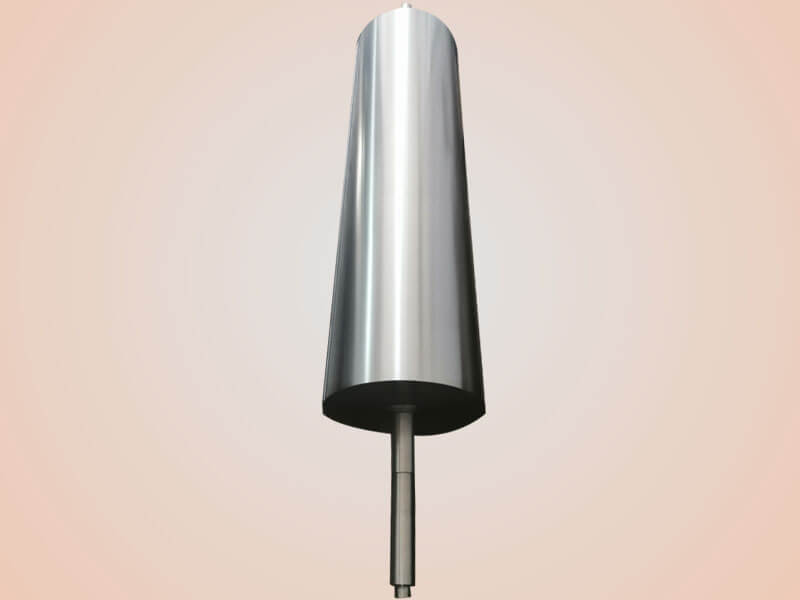
Installing a dedicated Hard Chrome Coated Roller bridges the gap between mechanical strength and low-friction performance. A properly applied hard chrome surface creates a dense, smooth layer that drastically lowers the surface coefficient of friction. Materials glide across the cylinder body without catching, dragging, or dragging static electricity along the path.
How Custom Chrome Coated Rollers Resolve Web Drag
No two production lines operate identically. Web tension, operating temperature, line speed, chemical exposure, and material stiffness vary across industries. A custom Chrome Coated Roller is designed specifically around these operating conditions.
Here is how tailored engineering directly eliminates friction and line wear on the factory floor:
Precise Surface Finishing for Specific Substrates
Different web materials require specific surface finishes to glide smoothly:
- Mirror Polished Finish: Ideal for ultra-clear plastic films and delicate foils where any microscopic imperfection could cause visible clarity loss or scratching.
- Satin or Matte Finish: Essential for sticky, tacky, or coated substrates where an airtight seal against a polished surface could cause material clinging or web wrapping.
Custom Chrome Coating Rollers allow plant managers to specify the exact surface texture needed to balance traction and glide.
Resistance to Abrasive Material Drag
Substrates such as recycled paper, pigmented slurring coatings, and coarse fibers behave like mild sandpaper over millions of production meters. Hard chrome plating provides a resilient outer shield that resists grooving caused by sharp web edges, preserving a smooth surface over extended operating cycles.
Defense Against Chemical Exposure and Oxidation
In printing, coating, and wet textile processing, cylinders regularly interact with inks, cleaning solvents, adhesives, and moisture. Surface pitting caused by rust or chemical attack increases drag and traps debris. Hard chrome serves as a protective barrier, preventing oxidation and simplifying routine cleaning between production shifts.
Real-World Industrial Insights Across Sectors
Custom hard chrome engineering provides measurable stability across diverse manufacturing environments:
Flexible Packaging and Film Converting
High-speed slitter-rewinders and laminators require effortless material guidance. Any drag created along guide cylinders can cause thin polyethylene or polypropylene films to stretch or build up static charges. Custom chrome surfaces enable smooth passage at top speeds without distorting delicate film gauges.
Paper and Board Converting
Paper webs generate fine abrasive dust that accumulates on machine components. Custom chrome cylinders prevent paper dust adhesion and resist edge-grooving, maintaining uniform tension across wide web widths.
Printing Presses (Flexo, Gravure, and Offset)
In modern printing plants, cylinder geometry and surface cleanliness directly influence print registration and ink laydown. Hard chrome surfaces offer easy ink cleanup, resist harsh solvent washes, and preserve consistent running geometry shift after shift.
Textile and Non-Woven Processing
Continuous web drying, dyeing, and finishing subject guide rolls to high humidity and tension. Chrome-plated surfaces prevent thread snagging, resist surface rust, and maintain true alignment across continuous process lines.
Shop Floor Troubleshooting: Is It Time to Upgrade Your Rollers?
If your facility is experiencing unexplained line wear or web drift, review these common shop floor indicators with your maintenance team:
- Recurring Line Marks on Finished Goods: Scratches or repeating continuous lines on finished rolls often point to micro-pits, metal burrs, or localized wear grooves on guide rollers.
- Frequent Tension Fluctuations at High Speeds: When web tension drifts unexpectedly as line speed increases, worn roller surfaces may be losing consistent contact or slipping against the web.
- Short Service Life Between Re-grinds: If maintenance teams must frequently unmount cylinders for surface refinishing, the current surface material likely lacks sufficient wear resistance for your process.
- Adhesive or Dust Accumulation: Heavy build-up of inks, glue, or static dust on the cylinder body indicates that the current surface material lacks the low-friction release characteristics needed for your materials.
Identifying these signs early allows maintenance leaders to upgrade components proactively before unexpected downtime impacts delivery schedules.
Building Long-Term Reliability with Siva Rollers
Selecting the right partner for your roller requirements is just as important as choosing the correct engineering specification. High-performance roller manufacturing relies on accurate core fabrication, precise dynamic balancing, controlled electroplating, and meticulous post-coat polishing.
As an established Chrome Coated Roller Manufacturer in India, Siva Rollers focuses on delivering practical, reliable solutions tailored to real plant needs.
The Siva Rollers Approach:
- Application-Driven Evaluation: Rather than offering one-size-fits-all products, Siva Rollers evaluates your operating environment—including substrate characteristics, line speed, tension levels, and chemical exposure—before crafting a recommendation.
- Precision Engineering Standards: Every cylinder is manufactured and finished with careful attention to core balance, uniform plating thickness, and exact surface roughness targets to promote smooth, vibration-free operation.
- Focus on Total Cost of Ownership: By combining durable core construction with high-grade hard chrome plating, Siva Rollers helps processing plants extend maintenance intervals, lower replacement frequency, and reduce costly downtime.
- Transparent Industry Partnership: Operating with a commitment to quality and open guidance, Siva Rollers works alongside maintenance engineers and plant managers across India to help maintain efficient, dependable production lines.
Investing in Predictable Line Performance
Friction and surface wear do not have to be accepted as inevitable operating costs. By replacing generic or wearing components with custom-engineered Chrome Coating Rollers, processing facilities can safeguard product quality, maintain steady web tension, and reduce unplanned maintenance stops.
Upgrading to purpose-built industrial components built by an experienced partner like Siva Rollers helps ensure your machinery operates smoothly and reliably—shift after shift, run after run.
To learn more about optimizing your material flow and addressing line friction challenges, explore custom engineering solutions with the technical team at Siva Rollers.
Contact US : +91 75070 10009 , info@sivarollers.com
FAQs
A Chrome Coated Roller is an industrial roller with a chrome-plated surface designed to improve surface durability, smoothness, and resistance to wear. It is commonly used in printing, packaging, paper, textile, film converting, and other web-handling applications where consistent material movement is important.
A properly designed Chrome Coated Roller provides a smoother and more wear-resistant surface for material movement. This can help reduce excessive drag caused by worn, rough, grooved, or damaged roller surfaces. The final performance depends on the material being processed, surface finish, operating conditions, and correct roller design.
Common signs include recurring line marks on the finished material, visible surface grooves, scratches, pitting, uneven wear, material drag, dust or adhesive buildup, and frequent maintenance requirements. If these problems repeatedly affect production, the roller surface should be inspected to determine whether refurbishment or replacement is required.
A Chrome Coated Roller is a general term for a roller with a chrome-plated surface, while a Hard Chrome Coated Roller is specifically designed for applications requiring higher resistance to surface wear. The suitable option depends on factors such as the processed material, operating environment, surface contact, cleaning conditions, and production requirements.
Yes, a custom-designed roller can help address scratches and recurring line marks when these defects are caused by roller surface damage, roughness, contamination, or uneven wear. The roller surface should be properly finished and matched to the application because the wrong surface condition can create additional material-handling problems.
Chrome Coated Rollers are used in industries such as flexible packaging, film converting, paper and board processing, printing, textile processing, lamination, coating, plastic processing, and other industrial web-handling applications. Their suitability depends on the specific production process and operating conditions.
An Industrial Roller may develop grooves and wear because of continuous material contact, abrasive particles, dust, uneven loading, contamination, chemical exposure, improper cleaning, or unsuitable surface material. Identifying the actual cause is important before selecting a new roller or surface treatment.
The right surface finish depends on the material and process. Sensitive films and foils may require a very smooth finish, while certain coated or tacky materials may need a different surface condition to support stable movement. Before manufacturing a custom roller, the manufacturer should consider the substrate, application, line conditions, and surface-contact requirements.
Yes, Chrome Coated Rollers can be manufactured for high-speed web-handling applications when the roller design, surface finish, geometry, and manufacturing quality are suitable for the specific line. High-speed applications should be evaluated individually because material type, web tension, roller size, and operating conditions can affect performance.
A durable and properly maintained chrome-coated surface can reduce downtime associated with frequent surface damage, wear-related issues, and repeated roller servicing. However, actual maintenance intervals depend on the application, processed material, operating environment, and maintenance practices.
In many cases, an existing Industrial Roller can be inspected and refurbished if its core and overall condition are suitable. The refurbishment process may involve evaluating the roller, repairing surface damage where required, applying an appropriate chrome coating, and finishing the surface according to the application's needs.
When requesting a custom Chrome Coated Roller, provide details such as the industry and application, material being processed, roller dimensions, required surface condition, operating environment, and the specific problem you want to solve, such as friction, surface wear, line marks, material drag, or frequent maintenance. This helps the manufacturer recommend a more suitable roller solution instead of using a generic design.