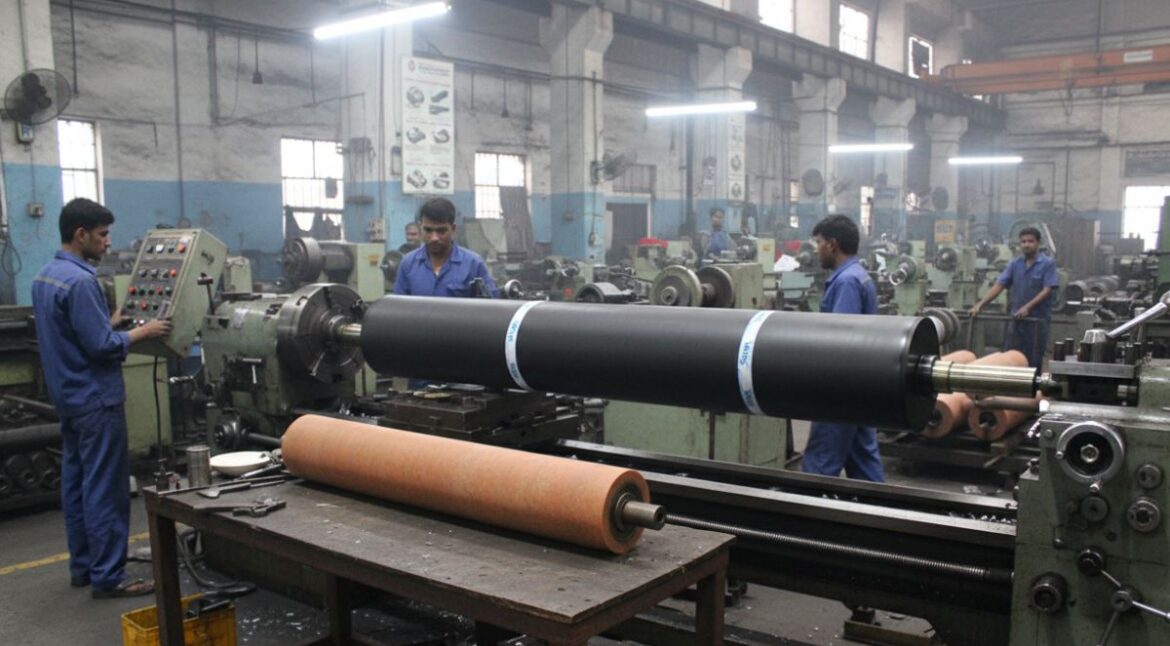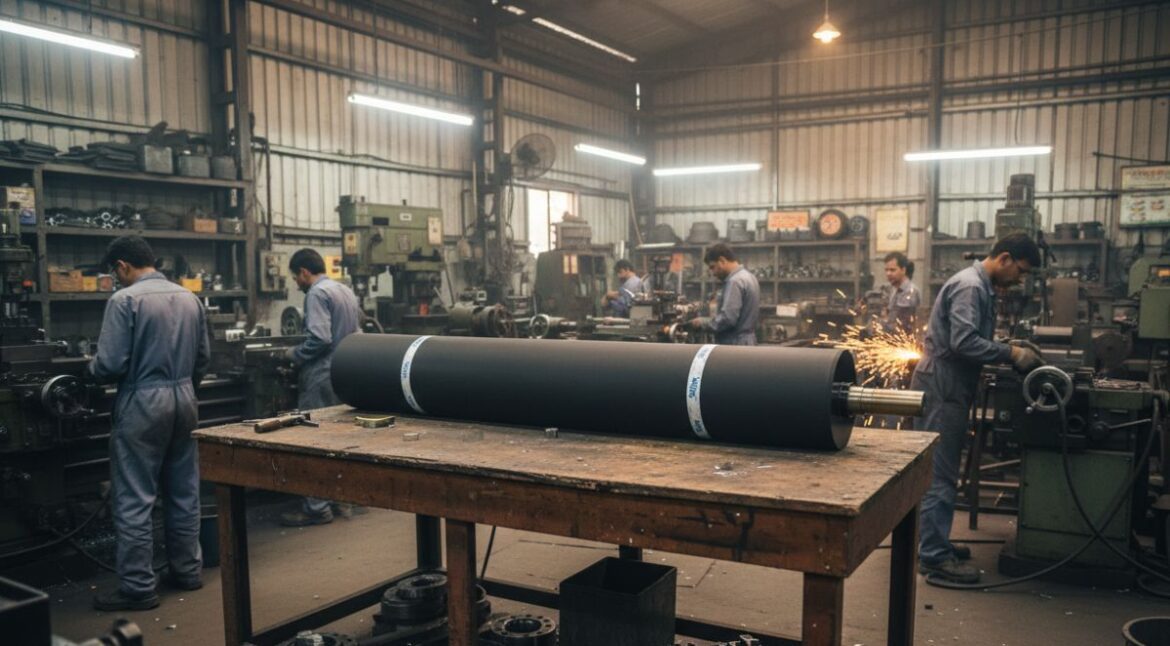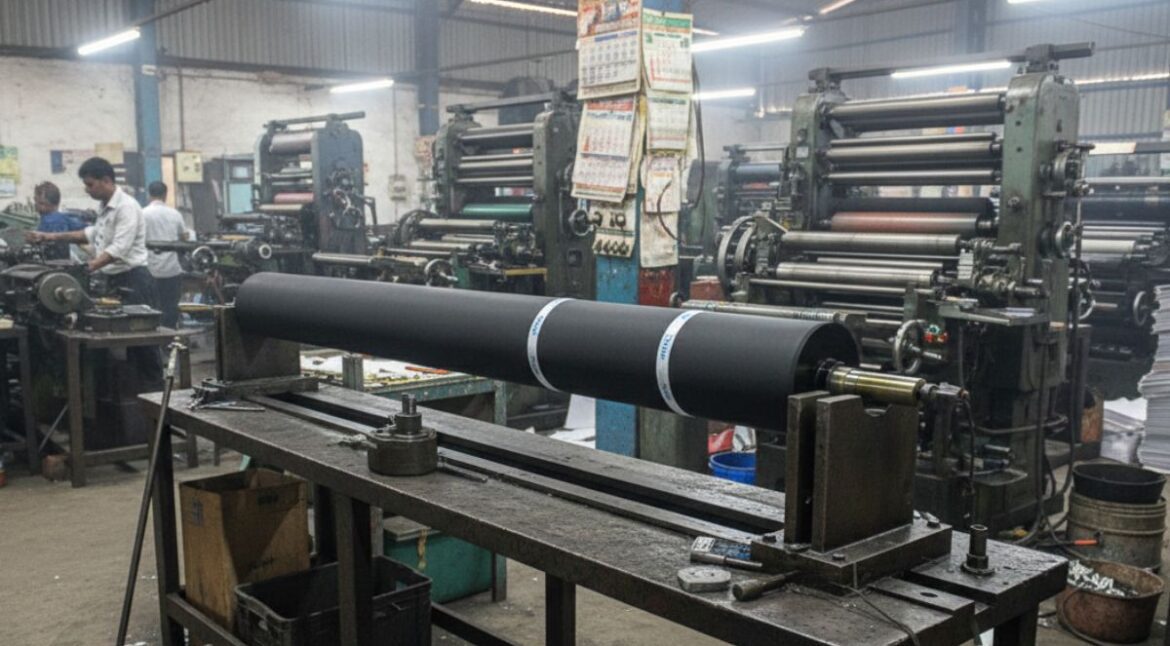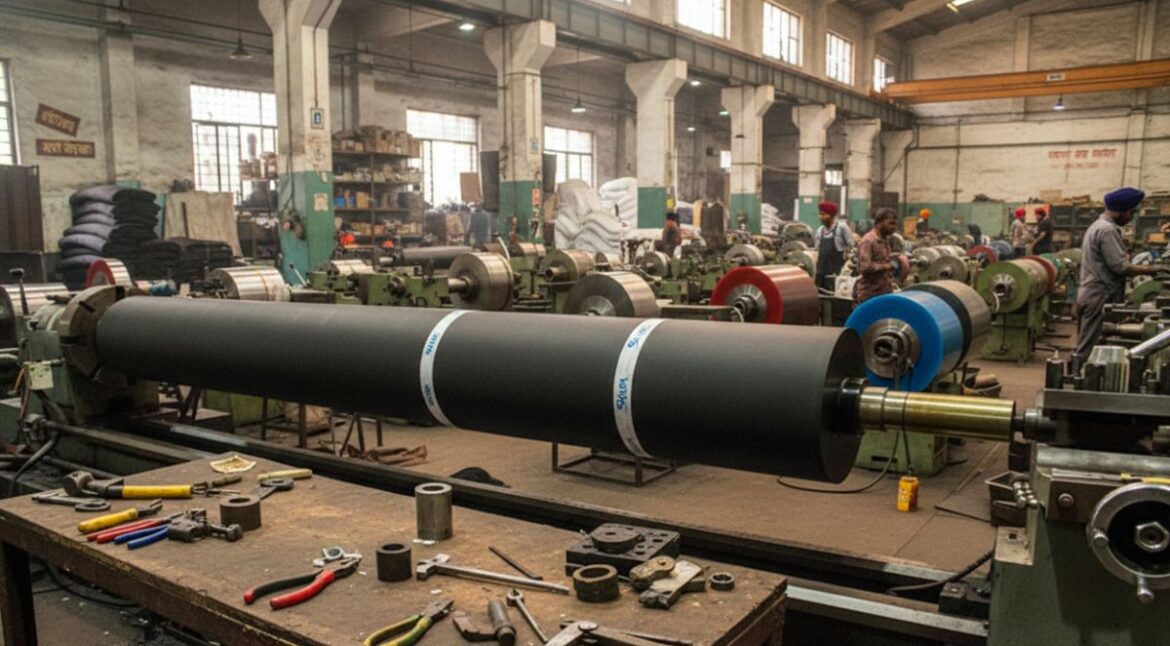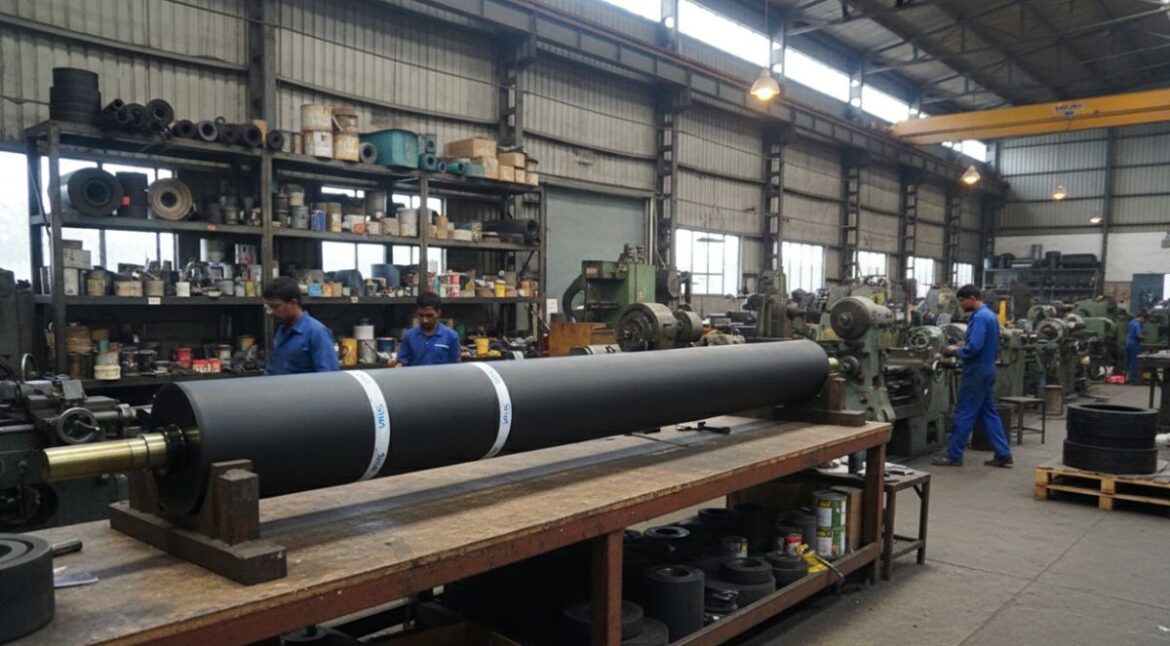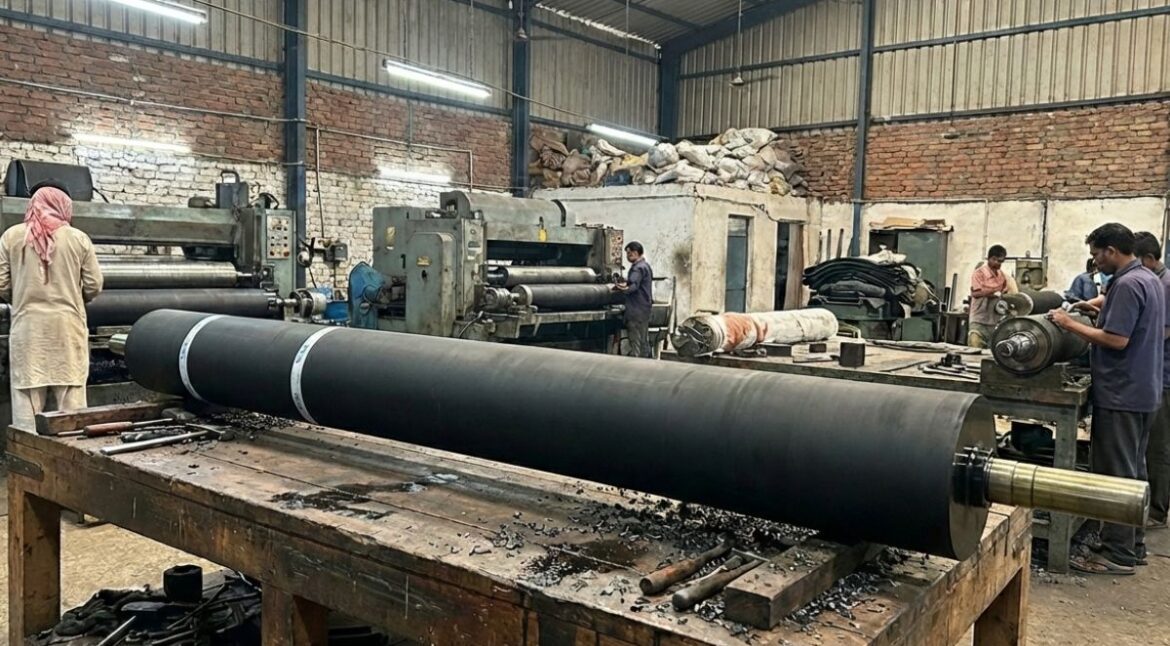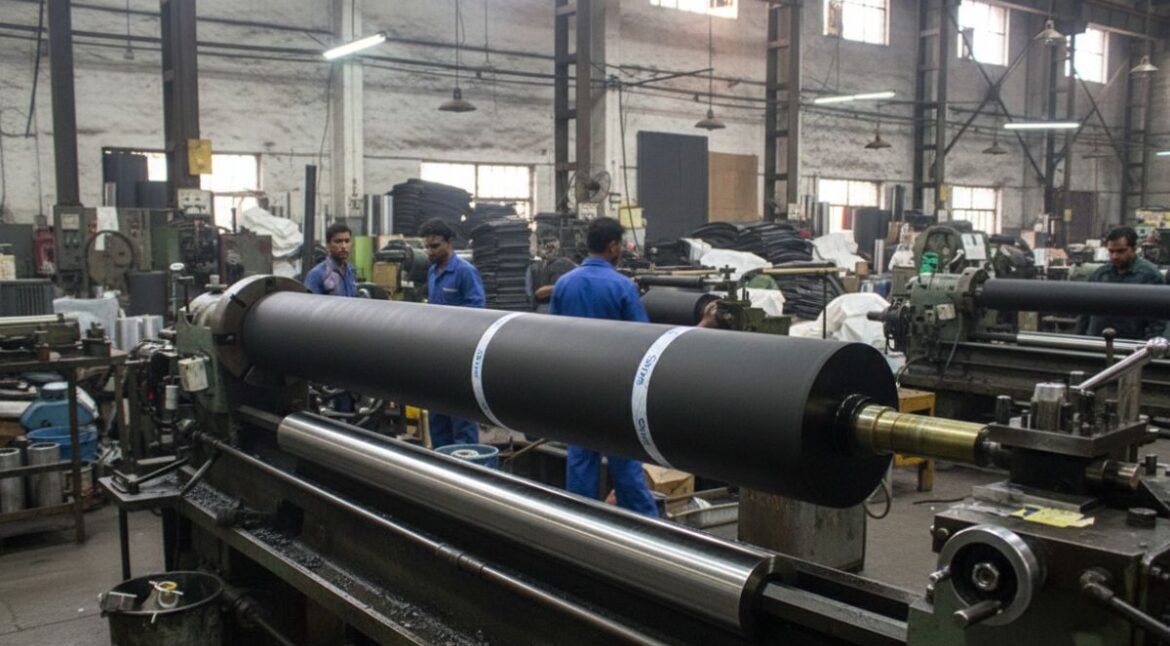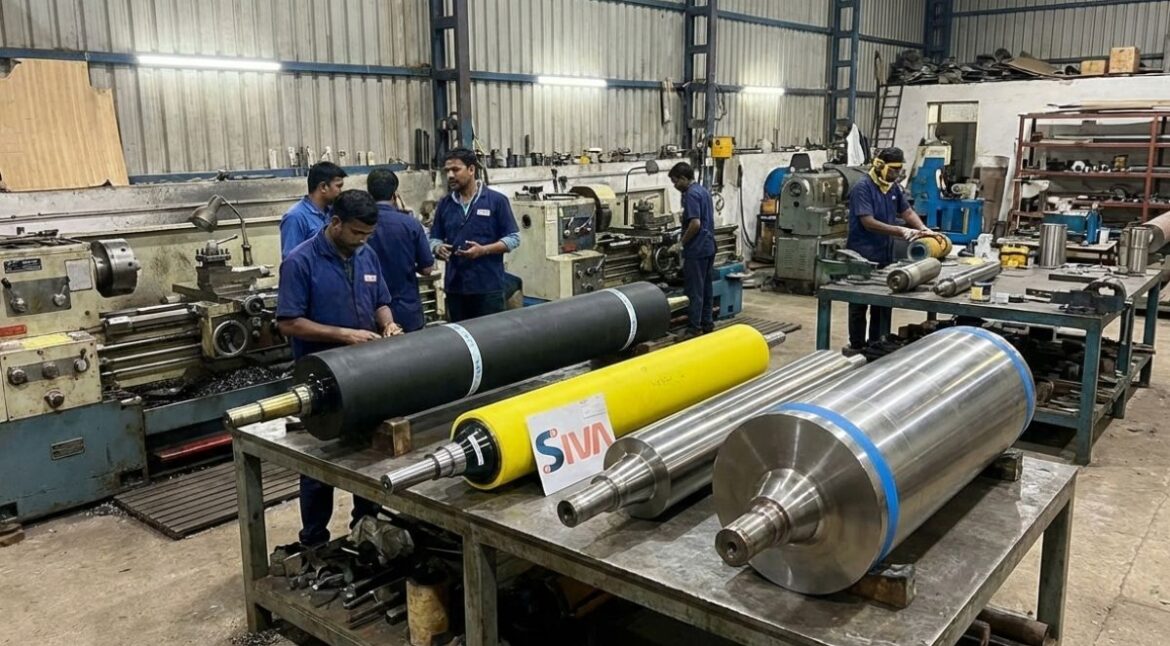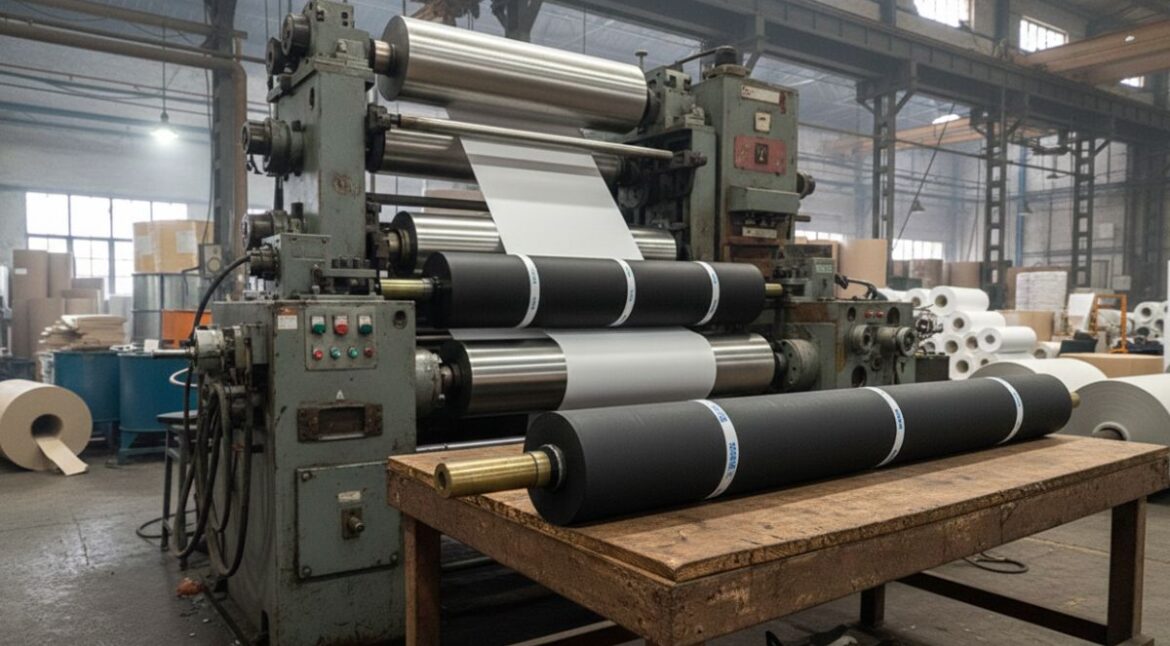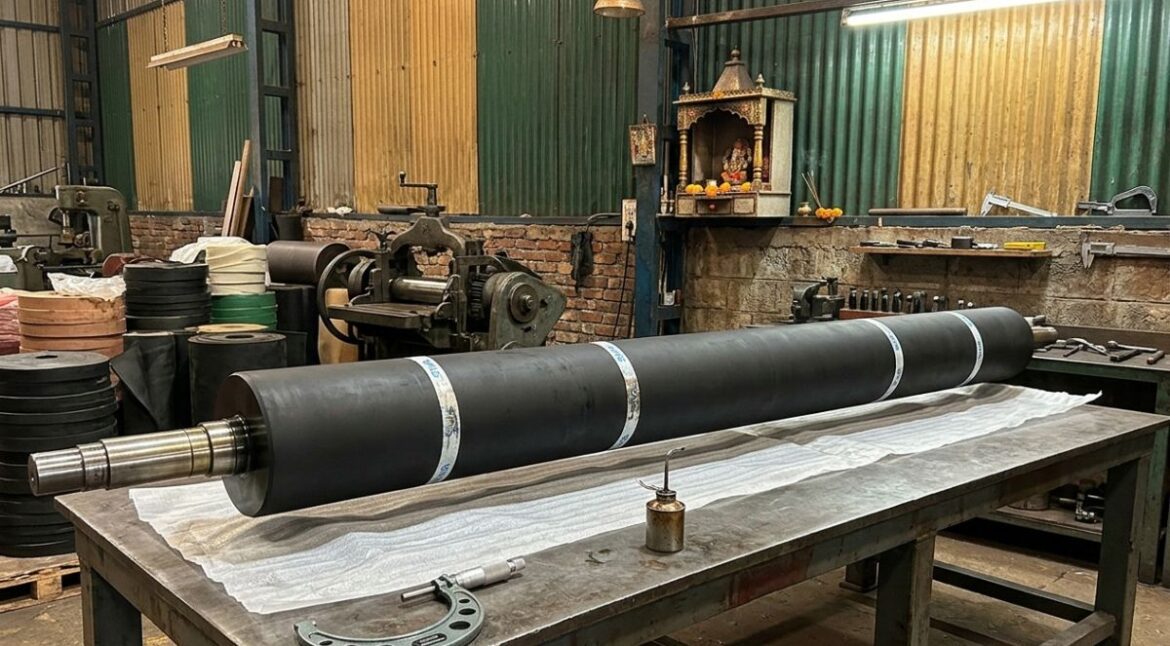
In modern printing, consistency is not a luxury. It is a production requirement. Whether you run offset, flexo, gravure, or packaging print lines, one hidden component decides whether your prints are sharp, uniform, and repeatable across thousands of impressions: the Printing Rubber Roller.
For factory owners, maintenance engineers, and OEMs, the rubber roller is that component. Whether it is driving a web press, laminating sensitive films, or conveying heavy industrial loads, the choice between custom rubber rollers vs standard rollers can be the difference between a high-efficiency operation and a maintenance nightmare.
Printers must deliver perfect print quality, zero defects, and consistent output—day after day, shift after shift. Whether it is packaging, flexible films, labels, newspapers, or commercial printing, one component silently controls print accuracy and production efficiency: the printing rubber roller.
Across industries such as printing, packaging, textile, steel, paper, and plastic processing, one often-overlooked component plays a critical role in keeping machines running smoothly: the rubber roller.
In the printing, packaging, textile, and converting industries, quality is rarely an accident. Sharp print registration, consistent ink transfer, minimal wastage, and smooth machine operation are all outcomes of choosing the right components—and among the most critical of those components is the printing roller.
In the world of high-speed manufacturing, the smallest component often carries the heaviest responsibility. Whether you are running a massive paper mill, a high-precision offset printing press, or a sophisticated flexible packaging line, your productivity depends on one critical element: Industrial Rollers.
As mechanical engineers working deep inside the pulp and paper ecosystem, we’ve learned one simple truth the hard way: paper quality is rarely limited by chemistry alone. More often, it is limited by contact. The moment wet paper meets a roller—during coating, pressing, or calendering—physics takes control. Pressure distribution, surface…
In the Indian textile industry, yarn breakage is one of the most common yet costly problems faced by mills. Whether you run a spinning unit in Tamil Nadu, a weaving factory in Gujarat, or a processing plant in Maharashtra, frequent yarn breaks slow down production, increase waste, and reduce machine…
Leading Rubber Roller Manufacturer for Printing & Packaging Machines If you are searching for a reliable Rubber Roller Manufacturer for printing presses or high-performance packaging machinery, precision and durability matter more than anything else. A roller failure can shut down production, damage material, increase scrap cost, and delay delivery schedules.That’s…