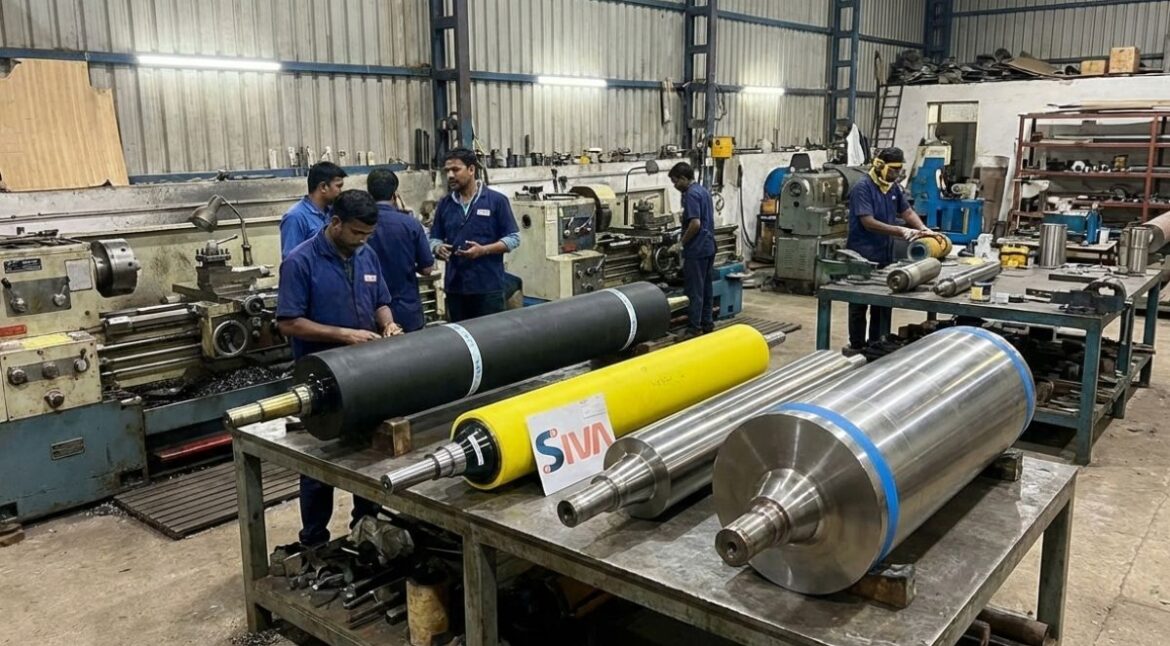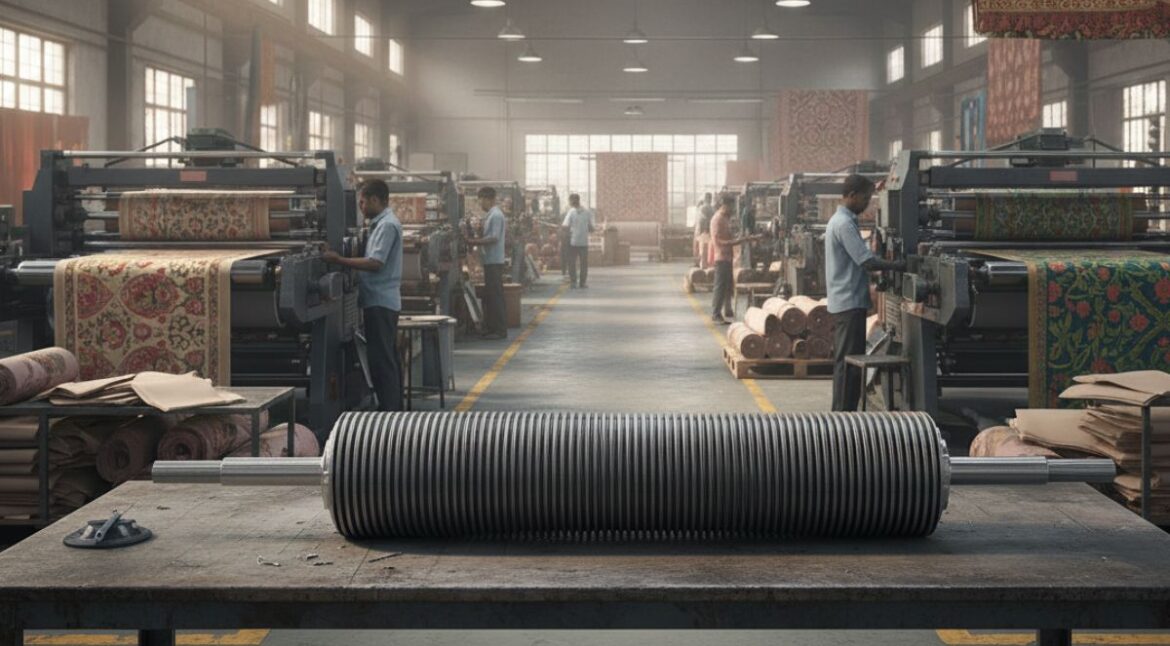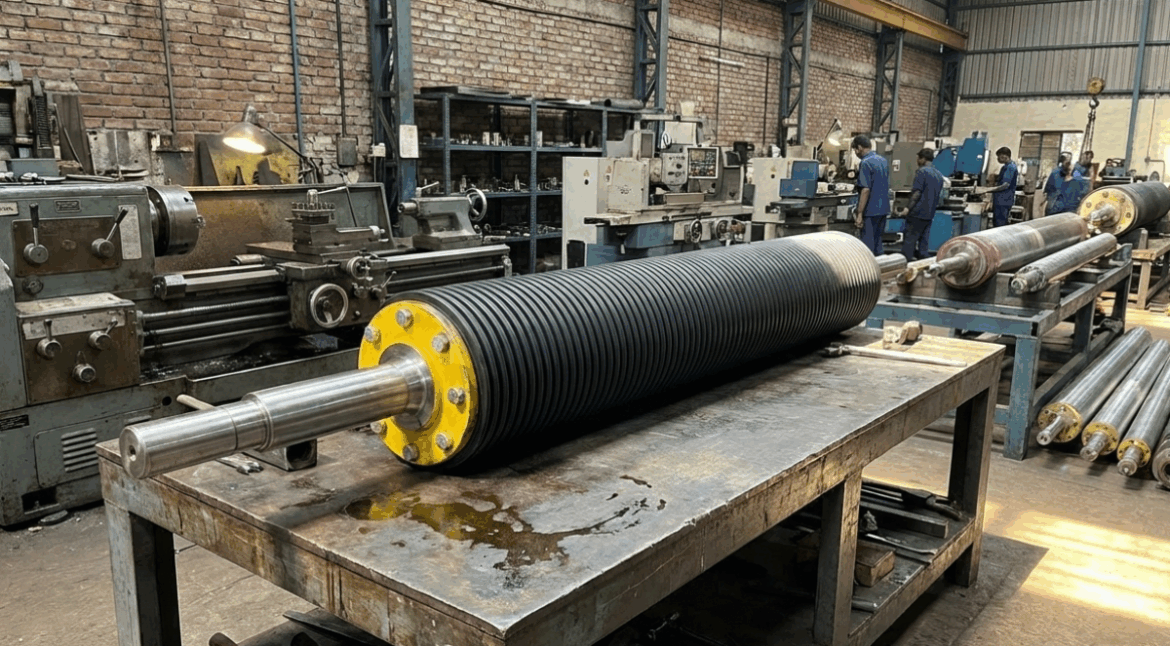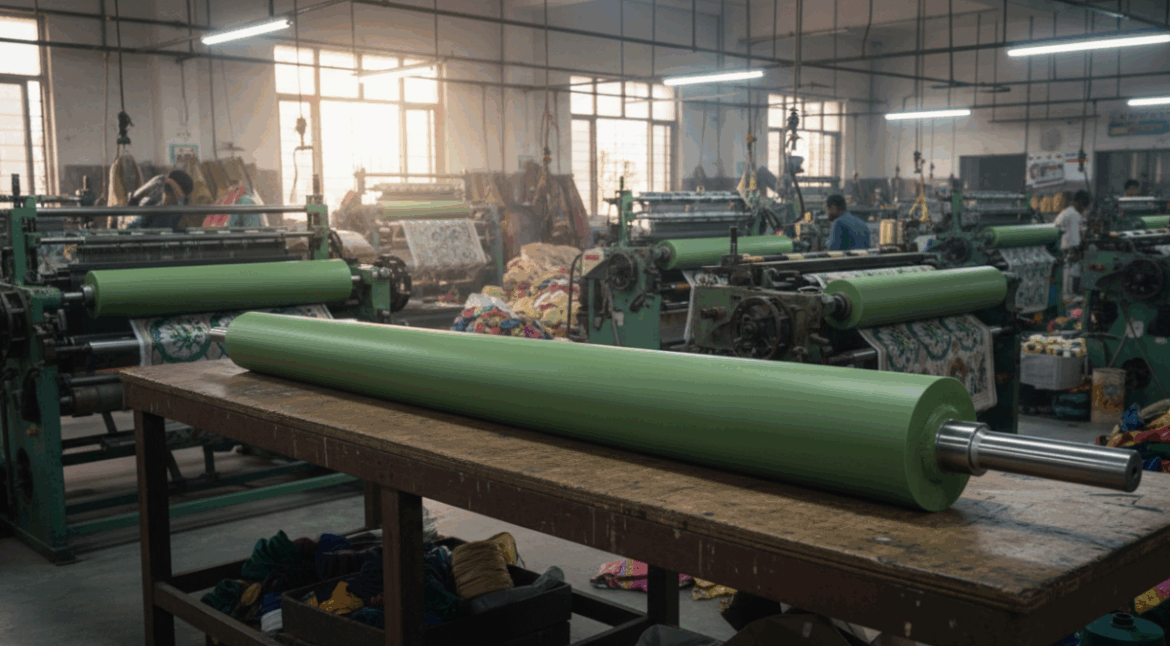
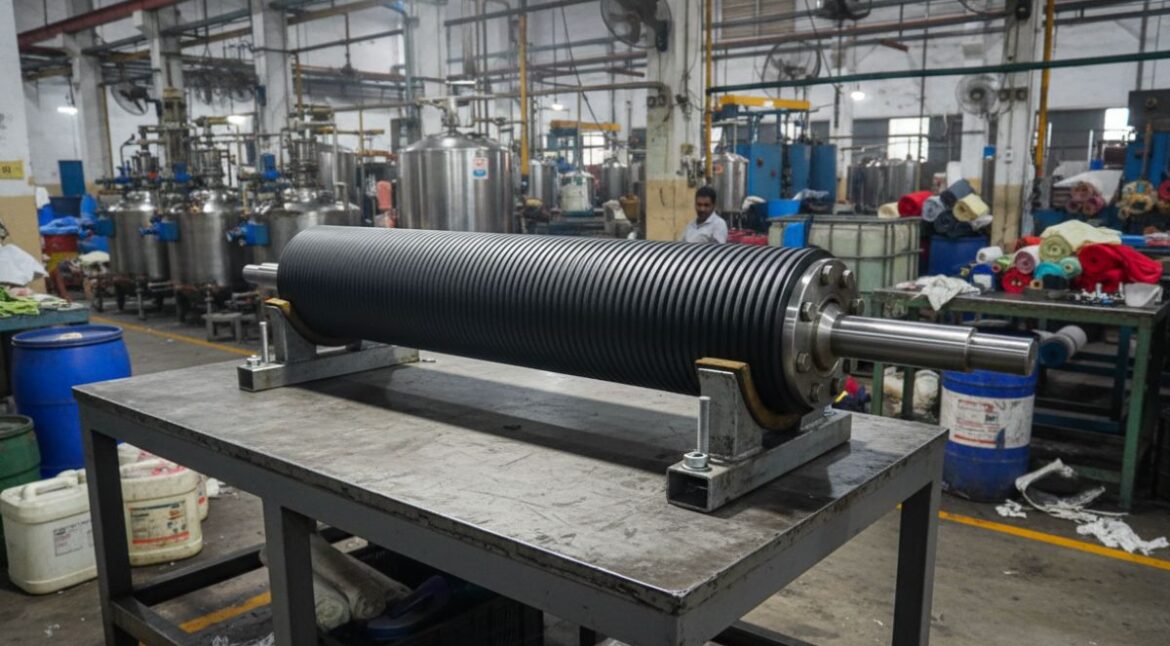
Trusted Textile Rubber Roller Manufacturer for Zero-Defect Fabric Output | Get a Quote The textile industry runs on precision. Whether it’s cotton processing in Tamil Nadu, denim finishing in Gujarat, terry towel manufacturing in Uttar Pradesh, or high-speed knitting operations across India—every mill depends on consistent, stable and wear-resistant rollers.…
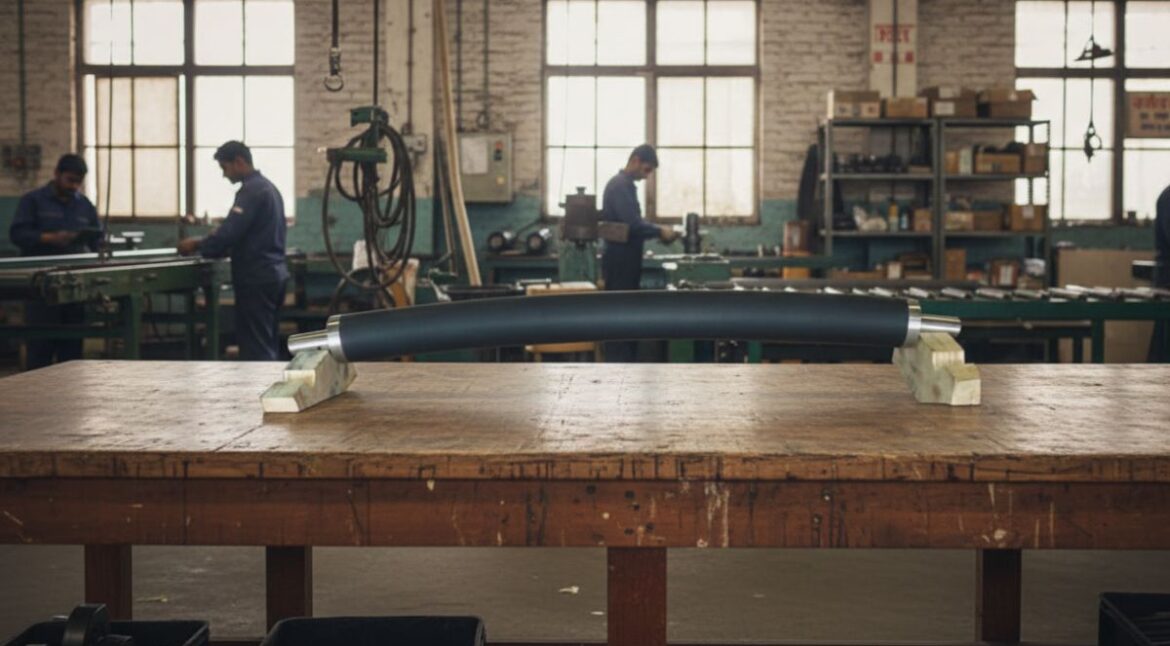
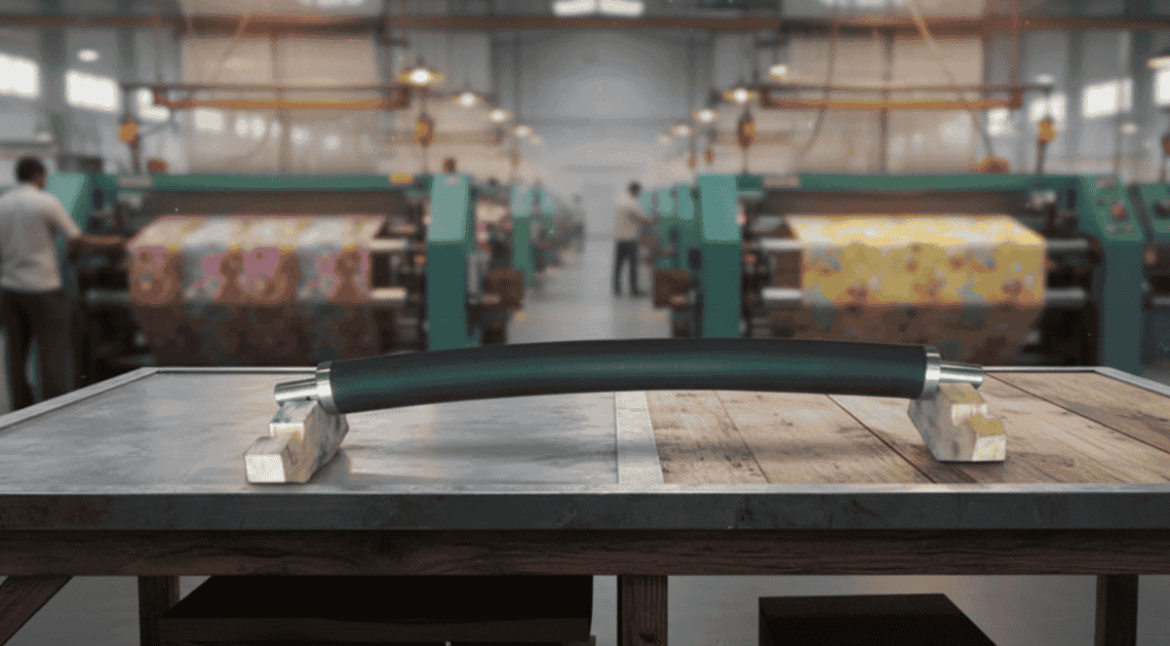
Every industrial manager or production head knows the pain: a high-speed web—be it fabric, film, or paper—suddenly develops creases, wrinkles, or shifts to one side. This isn’t just a small issue; it’s a silent crisis that leads to major material wastage, machinery downtime, and compromised product quality.
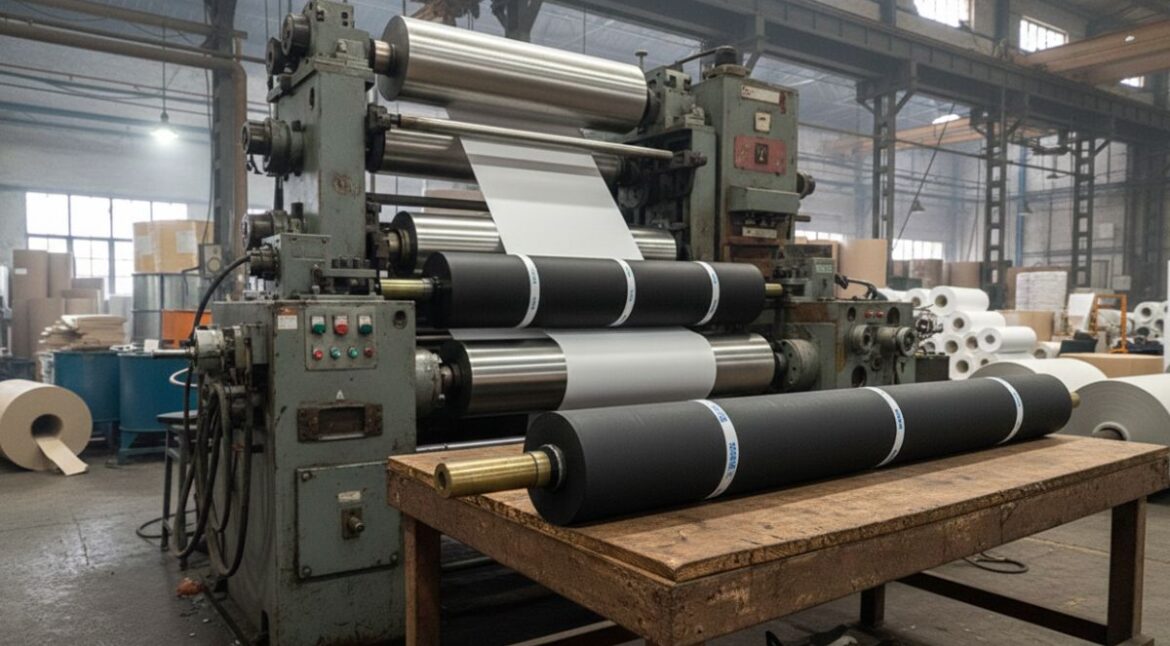
In the competitive landscape of Indian high-speed printing—from flexible packaging and label manufacturing to high-end publication graphics—every operational detail determines profit or loss. Suppose you are a printing industry owner, a maintenance head, or a procurement specialist. In that case, you know that consistent, high-quality output depends on the performance…
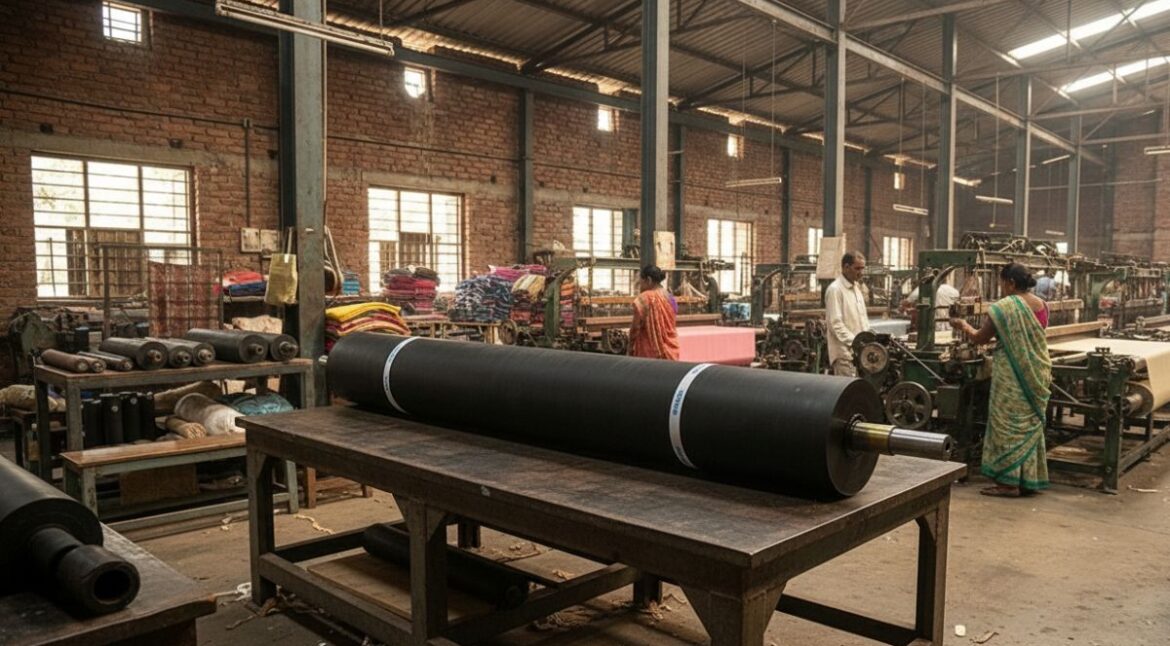
The Complete Guide to Ebonite Roller in Textile Dyeing and Bleaching – Siva Rollers The textile industry—specifically the crucial stages of dyeing and bleaching—is a relentless battleground for machinery. Fabric is processed under high speeds, intense heat, and a constant flow of corrosive chemicals like strong acids, peroxides, and alkalis.…
It is tempting to think that Supply Chain 4.0 consists primarily in implementing a set of disruptive Industry 4.0 technologies. However, to transform from a traditional to a fully digital and interconnected supply chain requires a new way of strategic supply chain management. There are four key questions to be…