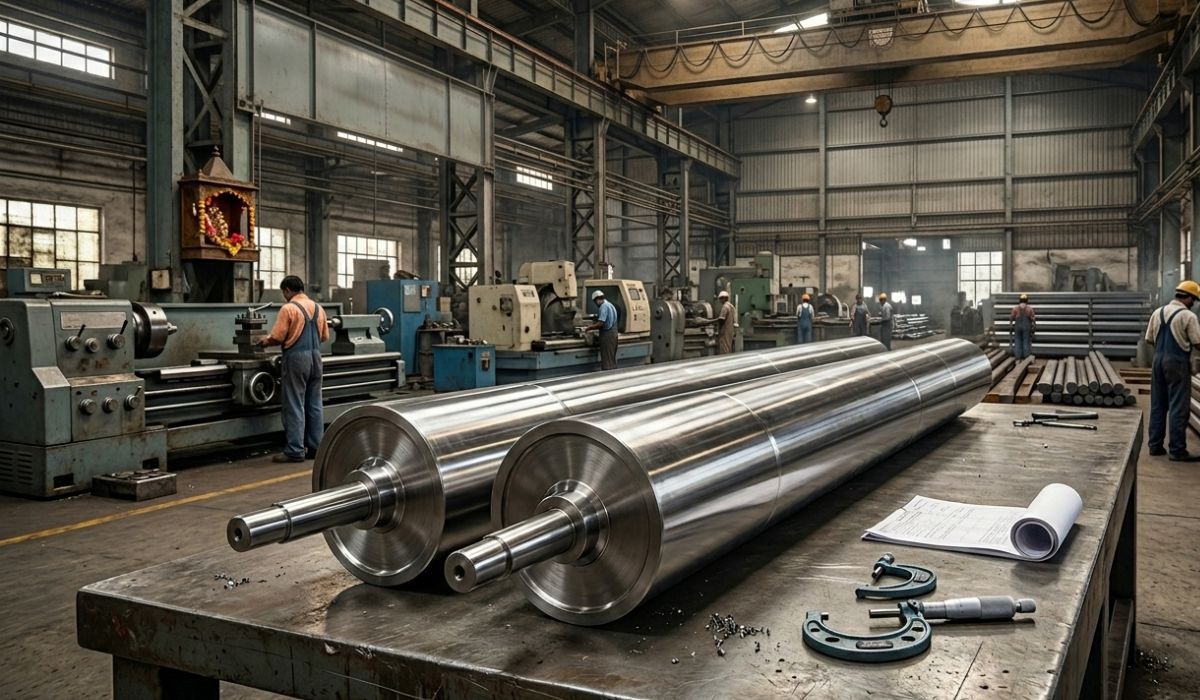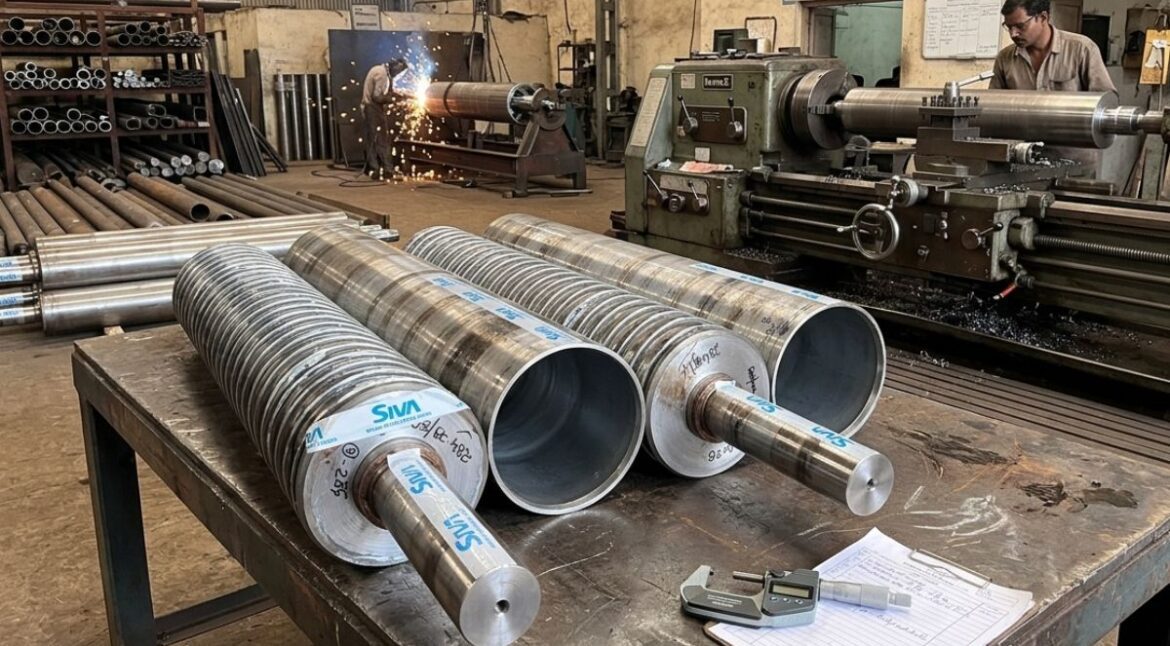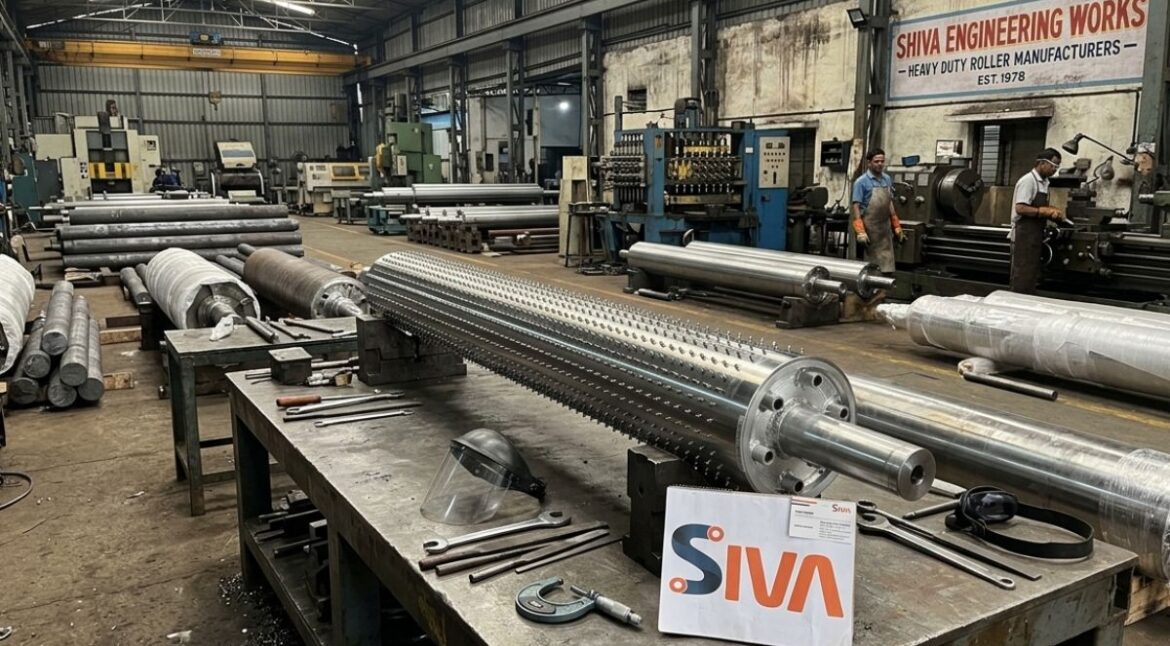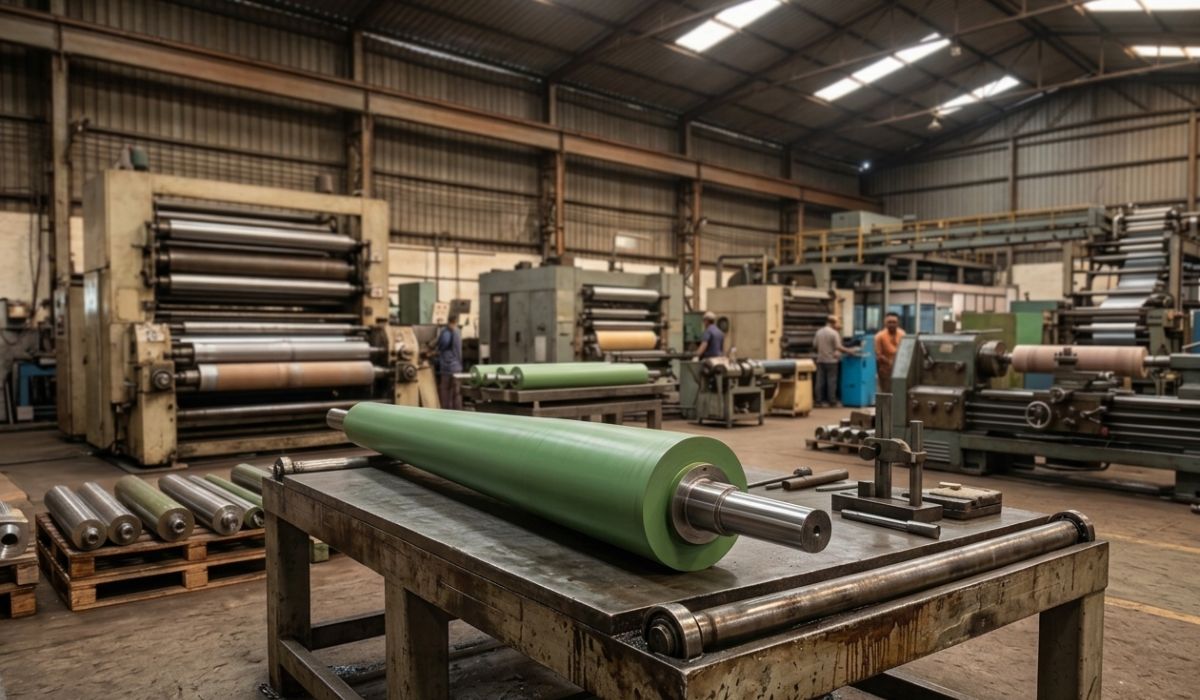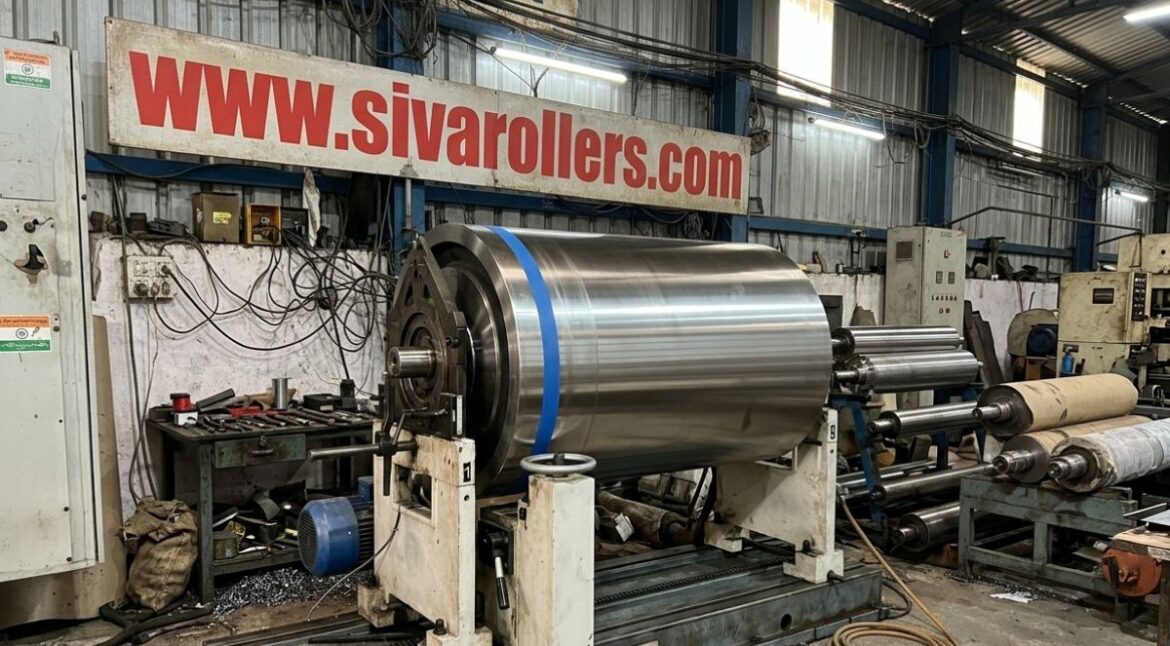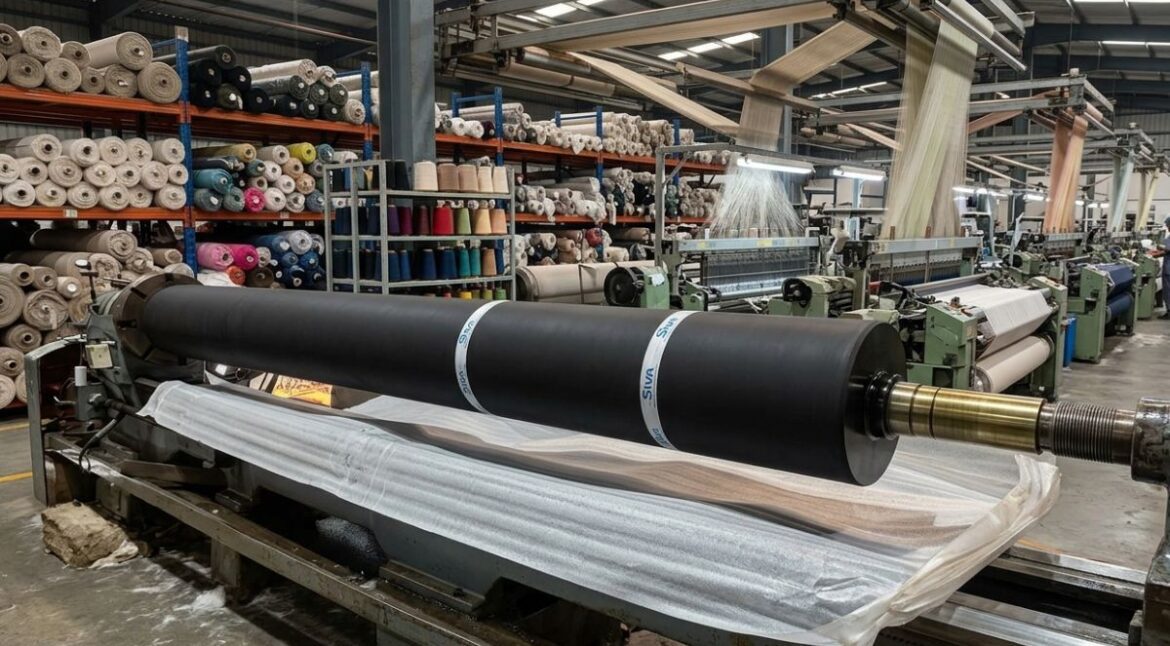
In the fast-paced world of industrial manufacturing, temperature control is not just a preference—it is a critical requirement for quality and efficiency. From laminating films to gravure printing and textile processing, maintaining a consistent surface temperature is the difference between a high-grade product and a pile of scrap.
In the fast-paced world of industrial manufacturing, the difference between a high-yield production day and a costly maintenance shutdown often comes down to the quality of your machinery components. For professionals in the printing, packaging, and textile sectors, one component stands out as a critical factor in operational success: the…
In the fast-paced world of industrial manufacturing, every minute of downtime translates directly into lost revenue. Plant managers and maintenance engineers are constantly searching for components that can withstand the rigors of heavy-duty cycles without constant failure. This is where the switch to high-quality polyurethane components becomes a game-changer.
In the high-speed world of textile manufacturing, productivity is often measured by the seamless flow of fabric through processing machines. However, any plant manager knows that the biggest “productivity killers” are wrinkles, creases, and material overlaps. These minor defects lead to significant downtime, fabric wastage, and machine calibration issues.
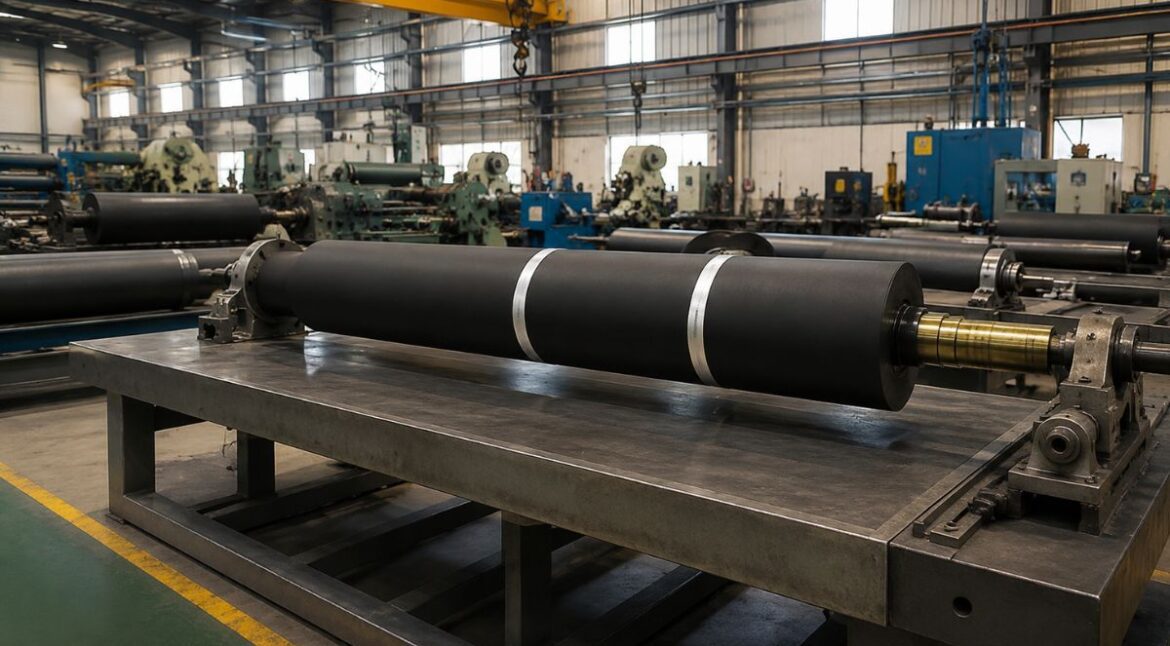
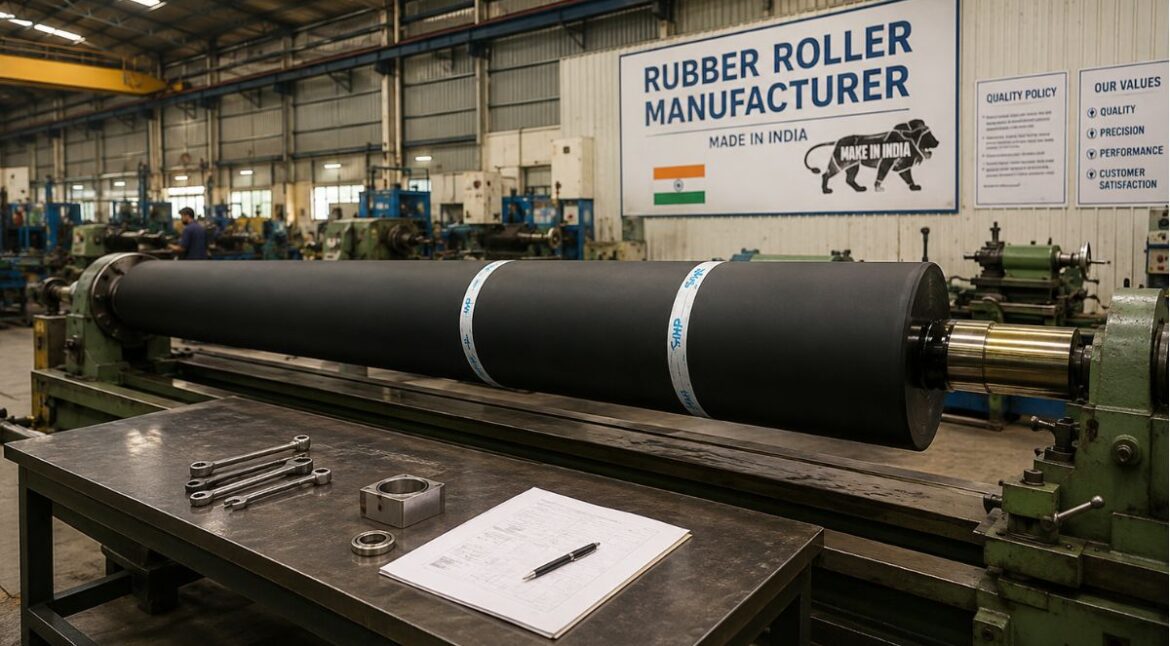
Whether you are handling delicate films, heavy steel coils, or high-speed printing paper, the interface between your machinery and your product determines your quality. This is where rubber-coated rollers play a critical role.
In modern printing, consistency is not a luxury. It is a production requirement. Whether you run offset, flexo, gravure, or packaging print lines, one hidden component decides whether your prints are sharp, uniform, and repeatable across thousands of impressions: the Printing Rubber Roller.
Whether you are running a high-speed plastic extrusion line, a massive textile plant, or a precision printing facility, temperature management determines the thin line between a profitable shift and a costly shutdown.
For factory owners, maintenance engineers, and OEMs, the rubber roller is that component. Whether it is driving a web press, laminating sensitive films, or conveying heavy industrial loads, the choice between custom rubber rollers vs standard rollers can be the difference between a high-efficiency operation and a maintenance nightmare.
Printers must deliver perfect print quality, zero defects, and consistent output—day after day, shift after shift. Whether it is packaging, flexible films, labels, newspapers, or commercial printing, one component silently controls print accuracy and production efficiency: the printing rubber roller.
In modern manufacturing, heat is not just energy—it is a process variable. When heat is applied unevenly, inconsistently, or inefficiently, the result is painfully familiar to plant managers and production engineers: slow throughput, material defects, rising rejection rates, and unpredictable downtime.