How Aluminum Spreader Rollers Eliminate Web Defects in Film, Paper, and Textile Converting Lines
Every plant manager in the packaging, paper, or textile industry knows the frustration of watching expensive raw material go to waste. You set up your converting machine, adjust the tension, press start, and within minutes, you notice it: a faint crease creeping down the center of the plastic film, a wrinkle folding over paper edges, or an uneven stretch across a fabric web.
These web defects are more than just visual flaws. They cause machine downtime, customer complaints, rejected batches, and thousands of rupees in wasted material every single day.
If your converting line is struggling with wrinkles, slack edges, overlapping strips, or uneven material tension, the solution isn’t always buying a brand-new machine. In most cases, the key to smooth, defect-free production lies in installing high-performance Aluminum Spreader Rollers.
In this practical guide, we will explore how these essential industrial rollers eliminate web defects, why aluminum is the best material choice for modern converting lines, and how upgrading your equipment can dramatically increase your production efficiency and profit margins.
Understanding the Web Defect Problem: Why Do Wrinkles Happen?
Before fixing a problem, we must understand what causes it. In any flexible material processing line—whether you are slitting thin plastic film, slitting paper rolls, or processing woven and non-woven textiles—the continuous sheet of material moving through your machine is called a web.
For a web to run smoothly from the unwind station to the final rewinder, it needs consistent widthwise and lengthwise tension. However, in real-world factory environments, perfect conditions rarely exist.
Common causes of web defects include:
- Uneven Material Thickness: Raw material rolls often have slight variations in thickness across their width.
- Tension Fluctuations: Sudden changes in speed or brake tension can cause the material to sag in the middle or stretch at the edges.
- Roller Misalignment: Even a microscopic misalignment in guide rollers can push the moving sheet off-center.
- Static Electricity: High-speed processing creates static charge, causing thin films to stick to themselves and form folds.
- Substrate Elasticity: Flexible materials like polyethylene film or knit fabrics easily stretch out of shape under light pressure.
When these factors combine, the sheet buckles. It forms longitudinal folds, creases, or wavy edges. If you cut or print on a wrinkled web, the final product is instantly ruined.
This is exactly where Aluminum Spreader Rollers come to the rescue.
How Aluminum Spreader Rollers Work to Solve Web Defects
To put it simply, a spreader roller is a specially designed roller that gently pushes a moving sheet of material outward from the center toward both edges.
Unlike a standard flat guide roller, which only supports the material moving forward, an aluminum spreader roller applies smooth sideways stretching force. As the web passes over the roller, any loose pockets, slack areas, or central folds are smoothed out before they can turn into permanent creases.
Here is what happens on your line when you install quality Aluminum Rollers for spreading:
- Immediate Wrinkle Removal: Folds and creases are pulled flat instantly across the full width of the material.
- Web Separation After Slitting: When you slit a wide master roll into multiple narrower rolls, the strips often overlap or collide. A spreader roller spreads the slit strips apart slightly, preventing web interweaving and messy rewind rolls.
- Controlled Edge Alignment: By maintaining equal lateral tension, the web stays perfectly centered throughout high-speed operation.
- Crease-Free Coating and Lamination: When applying adhesive, ink, or laminating layers, a flat sheet is mandatory. Spreader rollers guarantee an even, bubble-free surface before the web enters the nip roller.
By acting as a continuous smoothing mechanism, these rollers allow your converting machines to run at maximum operational speed without risking material damage.
Why Choose Aluminum Over Heavy Steel or Rubber Rollers?
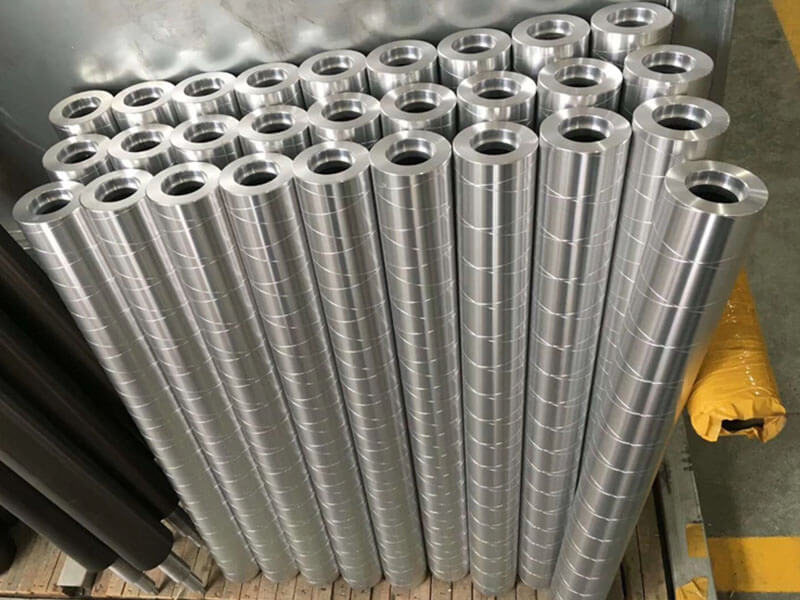
When plant engineers select industrial rollers for wrinkle removal, they often choose between steel, rubber-grooved, expander bow rollers, and aluminum designs. While each has its place, aluminum has rapidly become the preferred material for high-speed flexible converting lines.
Here is why aluminum outshines traditional heavy metal options:
1. Ultra-Lightweight and Low Inertia
Aluminum is roughly one-third the weight of steel. In high-speed converting, heavy rollers create high inertia—meaning they require more force to start rotating and are hard to stop quickly. Heavy rollers can drag against lightweight plastic films or thin papers, causing scratches, static build-up, or web breaks.
Because aluminum is lightweight, Aluminum Spreader Rollers start turning effortlessly with minimal web drag. This makes them ideal for delicate, thin, or high-sensitivity substrates.
2. High Corrosion and Moisture Resistance
Paper mills, textile dye houses, and flexible packaging units often operate in humid or chemically reactive environments. Standard iron or steel rollers can rust, contaminate the web, and ruin finished goods. Aluminum naturally forms a protective oxide layer, making it highly resistant to rust, moisture, and chemical vapors.
3. Superior Surface Finish Options
Aluminum is easy to machine and treat. Depending on what material your plant runs—be it sticky adhesives, delicate foil, or coarse textiles—an aluminum roller can be custom-finished with anodized, non-stick, smooth, or custom-grooved surfaces to provide the exact level of traction your web needs.
4. Fast Heat Dissipation
During long continuous production runs, friction between the material and the roller generates heat. Excess heat can distort thin plastic films or melt soft coatings. Aluminum dissipates heat rapidly, keeping the operational temperature stable and protecting your web quality.
5. Cost-Effective and Energy Efficient
Lightweight rollers put significantly less strain on your drive motors and machine bearings. Over time, switching to aluminum components lowers electrical power consumption and extends the life of your entire converting machine drive system.
How Aluminum Spreader Rollers Enhance Production Across Key Industries
Every converting industry faces unique substrate challenges. Let’s look at how specialized spreader rollers solve real manufacturing problems in the three major converting sectors:
1. Flexible Packaging and Plastic Film Converting
Plastic film processing (PE, PP, PET, BOPP, PVC) is notorious for static buildup, thickness variations, and thermal stretch. During blown film extrusion, printing, or high-speed slitting, film edges can easily curl or form center baggy spots.
The Solution: Installing smooth, low-friction Aluminum Rollers ensures even lateral tension across ultra-thin films without stretching or distorting the material. They remove longitudinal creases before the film reaches printing cylinders or rewind shafts, eliminating color misregistration and uneven roll winding.
2. Paper Manufacturing and Converting
Paper webs—especially thin tissue, kraft paper, or release liners—have very low resistance to tearing. Heavy guide rollers can snap thin paper webs, leading to costly line shutdowns and hours of re-threading work.
The Solution: Aluminum spreader rollers feature low rotational resistance. They smoothly gently spread the paper sheet to flatten baggy centers and prevent edge folds. After high-speed paper slitting, these rollers keep individual paper ribbons clean and neatly separated, preventing overlap and telescoping rolls.
3. Textile, Non-Woven, and Technical Fabrics
Fabrics and non-woven sheets are highly elastic and flexible. During washing, dyeing, coating, or stenter processing, fabrics naturally shrink, gather in the middle, or warp out of square.
The Solution: Aluminum spreader rollers pull the fabric outward toward both selvedges (edges), holding the full working width intact. Their rust-proof nature makes them perfect for wet processing sections where moisture would destroy ordinary steel rollers.
Practical Signs Your Converting Line Needs a Spreader Roller Upgrade
How do you know if your current setup is dragging down your plant output? Watch out for these warning signs on your factory floor:
- Frequent Operator Intervention: Machine operators are constantly stopping the line to adjust manual tension controls or smooth out folds by hand.
- Rewind Roll Defect Complaints: Finished rolls delivered to clients show telescoping edges, crushed cores, interleaved layers, or visible creasing.
- High Scrappage Rates: A noticeable percentage of your monthly raw material budget goes straight into the scrap bin because of edge wrinkles or coating flaws.
- Excessive Machine Noise and Vibration: Heavy, unbalanced rollers vibrate at high speeds, causing noise, uneven web travel, and premature bearing failure.
- Inconsistent Slitting Quality: Slit strips stick together during winding, forcing operators to run the slitting machine at half speed to prevent overlapping.
If you encounter two or more of these symptoms, replacing tired, worn-out, or heavy rollers with precision-engineered spreader rollers will deliver an immediate boost in line productivity.
Choosing the Right Aluminum Spreader Roller Manufacturer
Not all rollers are created equal. A spreader roller is not just a pipe mounted on bearings; it is a critical dynamic component of your high-speed machinery. Installing a poorly manufactured roller can introduce new vibrations and worsen material tracking.
When sourcing from an Aluminum Spreader Roller Manufacturer, look for a supplier that delivers:
1. Precision Dynamic Balancing
At high RPMs, even a few grams of weight imbalance can cause the roller to wobble. This wobble translates directly into material wrinkles. Ensure your manufacturer subjects every roller to strict dynamic balancing so it spins silky-smooth at full production speeds.
2. Tailored Customization
Every converting line is different. Roller diameter, face length, shaft extension, groove patterns, and mounting options must match your machine geometry perfectly. Avoid standard off-the-shelf “one-size-fits-all” sellers and work with custom manufacturers who engineer rollers to your exact line specs.
3. Quality Aluminum Extrusions & Treatments
The base aluminum must be high grade, free from internal air pockets or structural flaws. Proper anodizing or protective surface coatings prevent scratching and ensure long-term wear resistance even under continuous industrial usage.
4. End-to-End Application Support
A great manufacturer doesn’t just sell you a piece of hardware; they help you analyze your web flow problem. They recommend the right roller diameter, wrap angle, and placement location on your machine frame for maximum spreading efficiency.
Why Siva Rollers is India’s Preferred Partner for Industrial Rollers
At Siva Rollers, we understand that in the converting world, time is money and scrap is lost profit. As a leading Indian Aluminum Spreader Roller Manufacturer with a strong global export presence, we have built our reputation on helping plant owners achieve flawless, high-speed production.
Here is why businesses across India and international markets trust Siva Rollers for their industrial processing lines:
- Proven Engineering Expertise: We bring deep hands-on experience in solving complex web handling problems for plastic film converters, paper mills, packaging plants, and textile units.
- Custom Fabrication Excellence: We design and manufacture Aluminum Rollers tailored to your specific line speed, material width, tension requirements, and machine layouts.
- World-Class Manufacturing Standards: From premium raw material selection to precision machining and strict dynamic balancing, every roller leaving our Indian facility is built for durability, low maintenance, and smooth operation.
- Global Export Capability: Based in India, we offer world-class roller quality at competitive manufacturing costs, shipping reliability to clients around the globe.
- Focus on Total Customer Success: We work as your technical partner. Our team guides you on optimal placement, wrap angles, and surface choices to guarantee maximum defect reduction on your floor.
Simple Steps to Optimize Your Converting Line for Defect-Free Output
If you are ready to eliminate wrinkles and boost your plant’s yield, follow this simple implementation checklist:
- Identify Problem Zones: Inspect your line to locate where wrinkles first appear—is it right after the unwind, before the coating station, or just prior to slitting?
- Measure Web Parameters: Note down your maximum sheet width, minimum/maximum line speeds, material thickness ranges, and line operating tension.
- Consult with Siva Rollers: Reach out to our technical team with your line details. We will assess your web behavior and recommend the ideal roller dimensions and surface treatments.
- Install and Adjust Wrap Angle: Once your custom aluminum spreader roller arrives, mount it at the problem zone. Set the material wrap angle according to operational guidelines (typically 30 to 90 degrees of contact for optimum spreading performance).
- Enjoy Smooth, High-Speed Output: Start your production line and watch wrinkles, creases, and overlap issues vanish while your line speed and output quality increase.
Take Control of Your Web Quality Today
Web defects are not an inevitable cost of doing business. You do not have to accept scrap waste, customer rejections, or slow machine speeds as normal daily operations.
By upgrading your converting, slitting, printing, or laminating lines with high-precision Aluminum Spreader Rollers, you can achieve smooth web handling, perfect roll winding, and consistent high-speed performance shift after shift.
Whether you operate a local processing plant in India or manage a high-volume manufacturing plant overseas, Siva Rollers is ready to supply you with high-grade, reliable Industrial Rollers built to solve your toughest production challenges.
Ready to eliminate web wrinkles and boost your line productivity?
Contact Siva Rollers today! Speak with our application engineers, request a custom quote, or discuss your machine requirements. Let us help you keep your production lines running smoothly, efficiently, and profitability.
- Phone: +91 75070 10009
- Email: info@sivarollers.com
FAQs
An aluminum spreader roller is a lightweight, precision-engineered industrial roller used in web converting machines to eliminate wrinkles, creases, and slack edges. Its main function is to apply a gentle outward spreading force from the center of a moving web (plastic film, paper, or fabric) toward both outer edges, ensuring a flat, evenly stretched material surface.
Web wrinkles are caused by uneven web tension, raw material thickness variations, guide roller misalignment, static buildup, or thermal expansion during processing. When tension across the sheet is uneven, the material buckles lengthwise or horizontally, creating permanent creases during slitting, printing, or laminating.
An aluminum spreader roller eliminates defects by redistributing tension evenly across the full width of the material. As the moving sheet wraps around the roller surface, the specialized surface geometry or groove pattern continuously guides the web outward, pulling slack pockets taut and flattening central or edge folds before permanent processing occurs.
Aluminum spreader rollers are approximately 70% lighter than steel rollers, which gives them exceptionally low rotational inertia. This allows them to rotate easily with minimal web friction, preventing film dragging, scratches, and web breaks on delicate substrates. Aluminum also dissipates heat faster and naturally resists corrosion in humid factory environments.
When a wide master roll is slit into multiple narrow ribbons, the cut edges often rub or interweave during winding. A spreader roller positioned immediately after the slitting blade slightly fans out each individual strip, creating clean physical spacing between ribbons and producing neat, non-interlocked finished rolls.
The ideal location for an aluminum spreader roller is immediately upstream of critical processing zones—such as right before printing cylinders, adhesive coating heads, laminating nips, or rewind shafts. Installing the roller as close as possible to the problem area guarantees maximum sheet flatness right when it matters most.
Aluminum spreader rollers are widely used in flexible packaging (PE, PP, PET films), paper manufacturing and slitting, textile dyeing and finishing, non-woven hygiene product lines, aluminum foil converting, and label stock production.
Yes. When properly engineered and dynamically balanced, aluminum spreader rollers operate smoothly on high-speed slitting, coating, and printing machinery without inducing vibration, web bounce, or tracking errors.
Because aluminum rollers are lightweight, they require significantly less motor torque to start up and maintain speed. This reduces electric power consumption, minimizes stress on drive belts and motors, and lowers wear and tear on support bearings, resulting in extended equipment life and fewer maintenance shut-downs.
Because aluminum rollers are lightweight, they require significantly less motor torque to start up and maintain speed. This reduces electric power consumption, minimizes stress on drive belts and motors, and lowers wear and tear on support bearings, resulting in extended equipment life and fewer maintenance shut-downs.
Siva Rollers is a trusted Indian manufacturer known for engineering high-precision, custom-built industrial rollers with strict dynamic balancing and durable surface finishes. Operating from India with global export capabilities, Siva Rollers delivers international quality standards, tailored application support, and direct factory pricing to maximize converting plant efficiency.