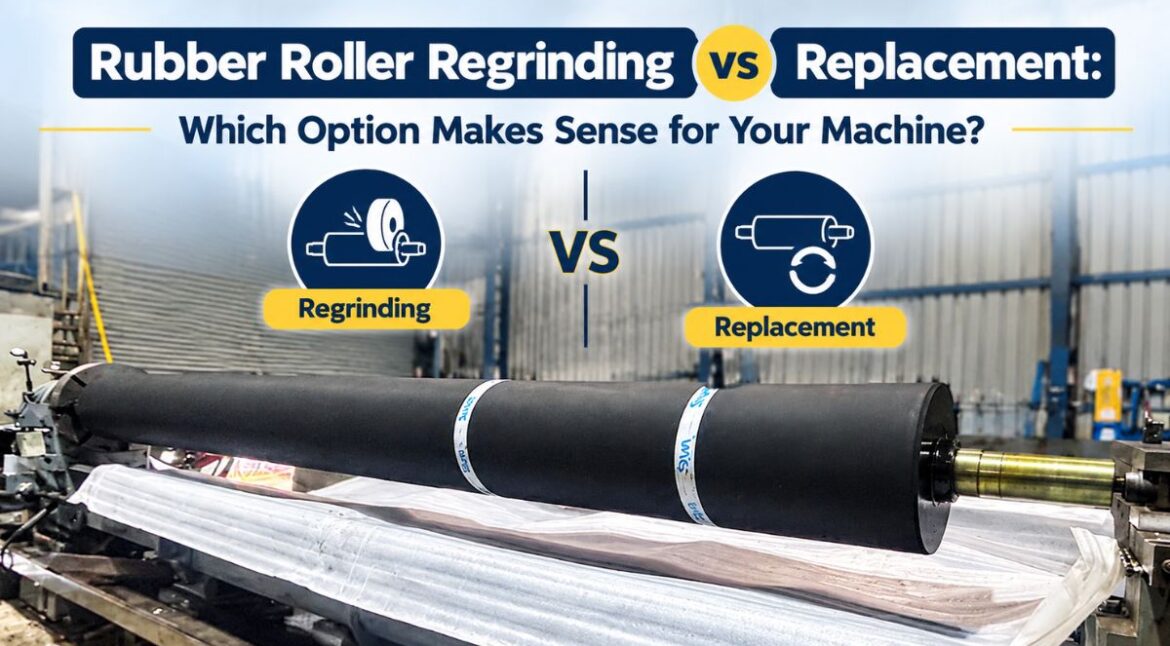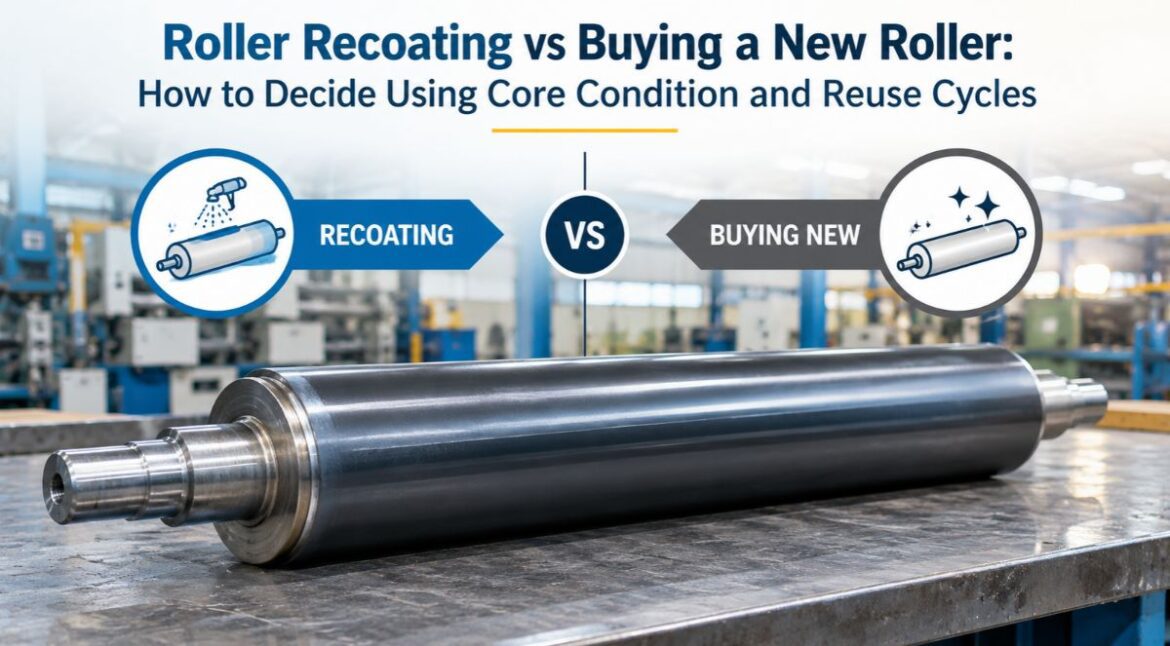
This guide explores how to evaluate your rollers using core condition assessment and reuse cycle tracking—giving you a clear, practical framework to make the right choice for your factory floor.

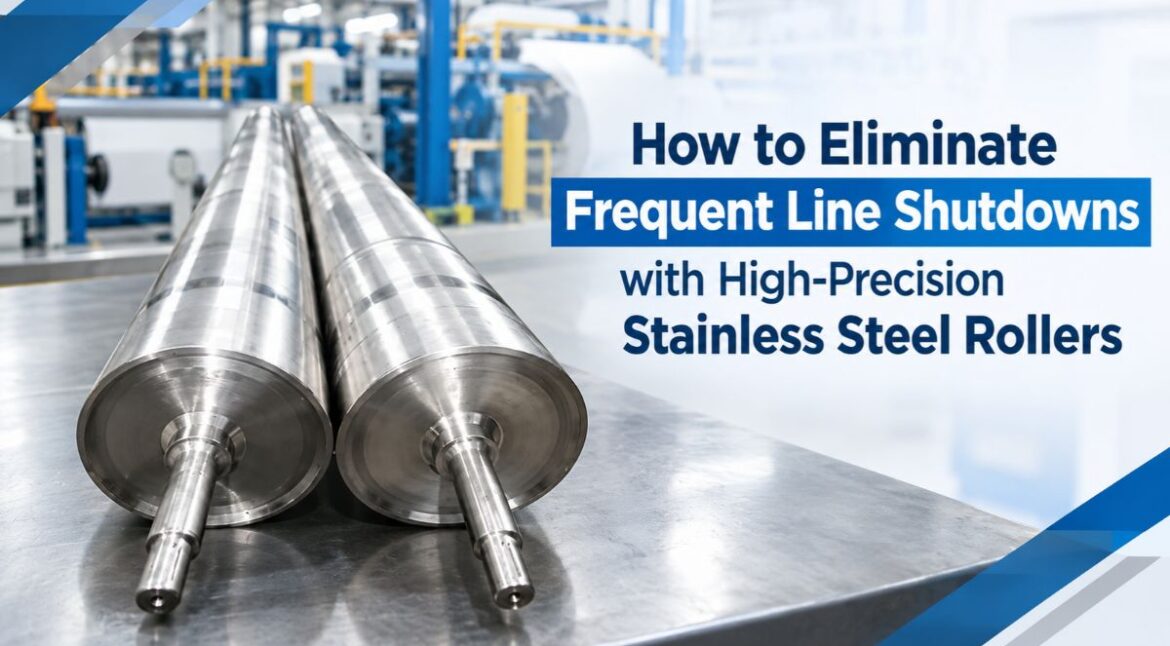
In this operational guide, we will explore why standard line components break down under everyday factory pressures and how upgrading to high-precision stainless steel rollers can eliminate frequent shutdowns, lower maintenance stress, and protect your bottom line.
In this guide, we will break down both options in plain, practical language so you can make the smartest, most cost-effective choice for your facility.
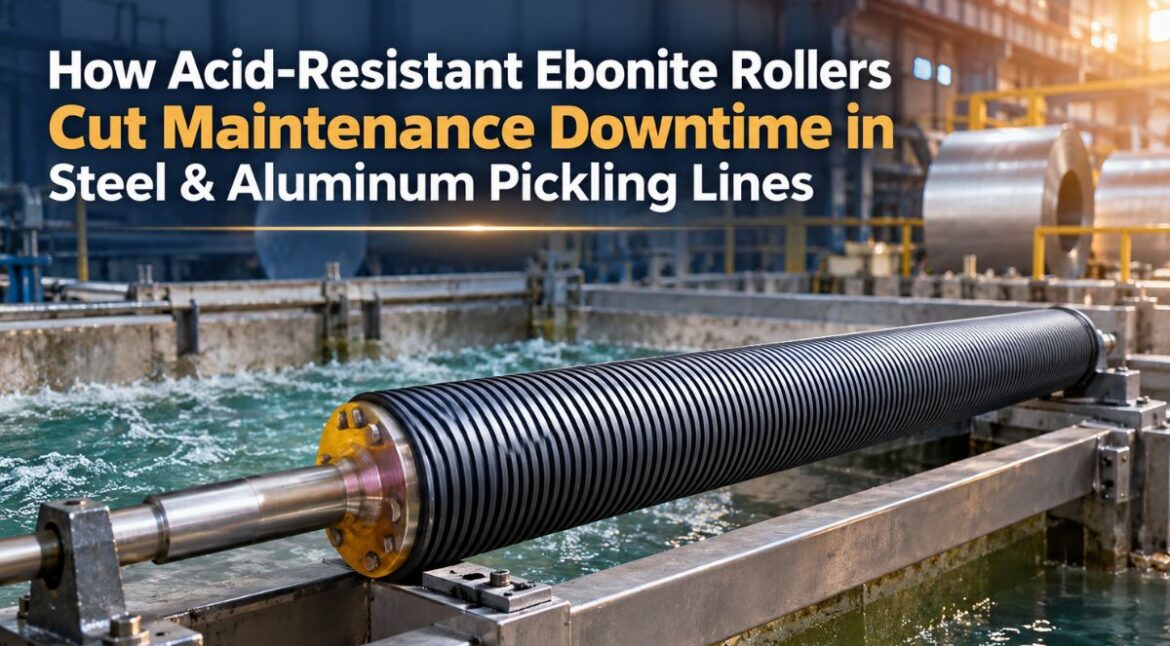
In this guide, we will break down why traditional roller coatings fail in acid baths, how hard ebonite technology solves these operational pain points, and how upgrading your mill’s rollers can directly boost your production efficiency.
A PU Coated Roller can help when better surface contact, smoother movement, and resistance to everyday wear are needed. But simply replacing an old roller with a PU roller is not always enough.
Let’s dive deep into why standard off-the-shelf rollers often fail, how custom curvature changes everything, and how investing in the right paper roller technology keeps your mill profitable and smooth-running.
In this guide, we will explore the practical ways these specialized rollers operate on the shop floor, why they prevent costly material defects, and how choosing the right manufacturing partner ensures long-term operational success.
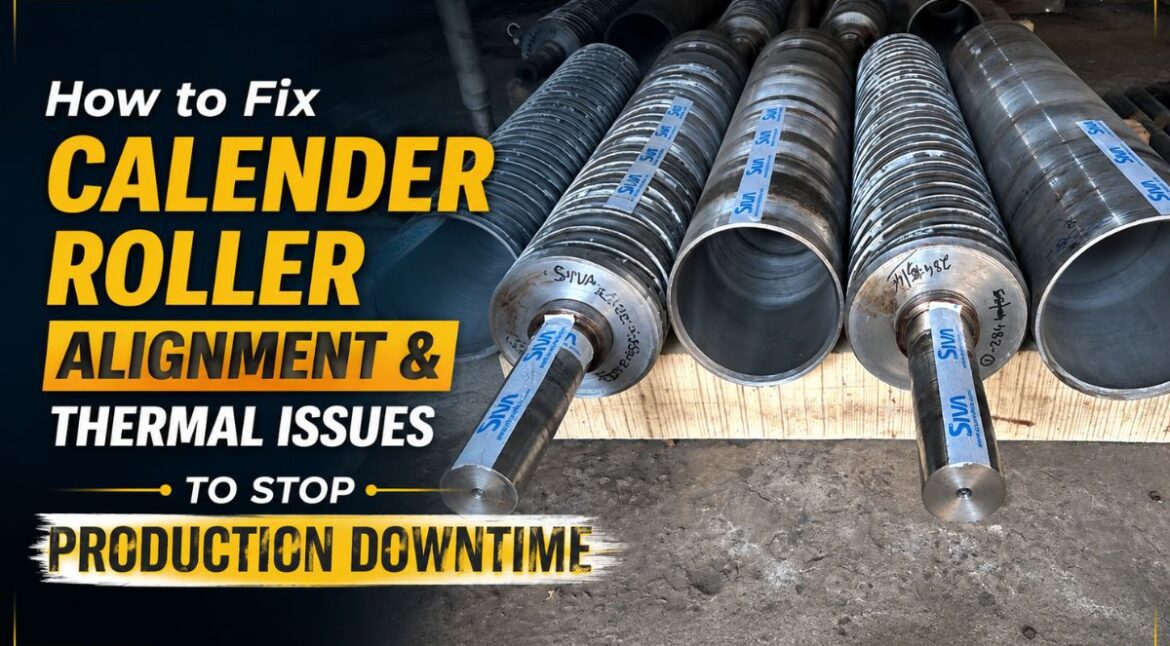
We will also explore how partnering with an experienced industrial roller manufacturer can help you eliminate recurring downtime forever.
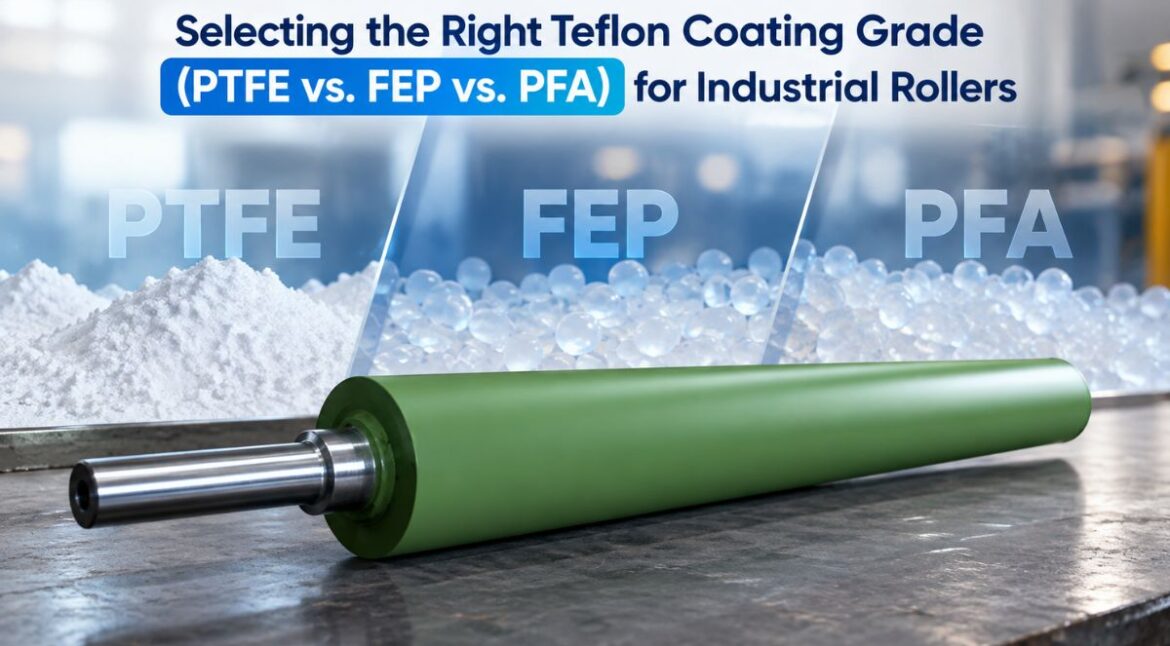
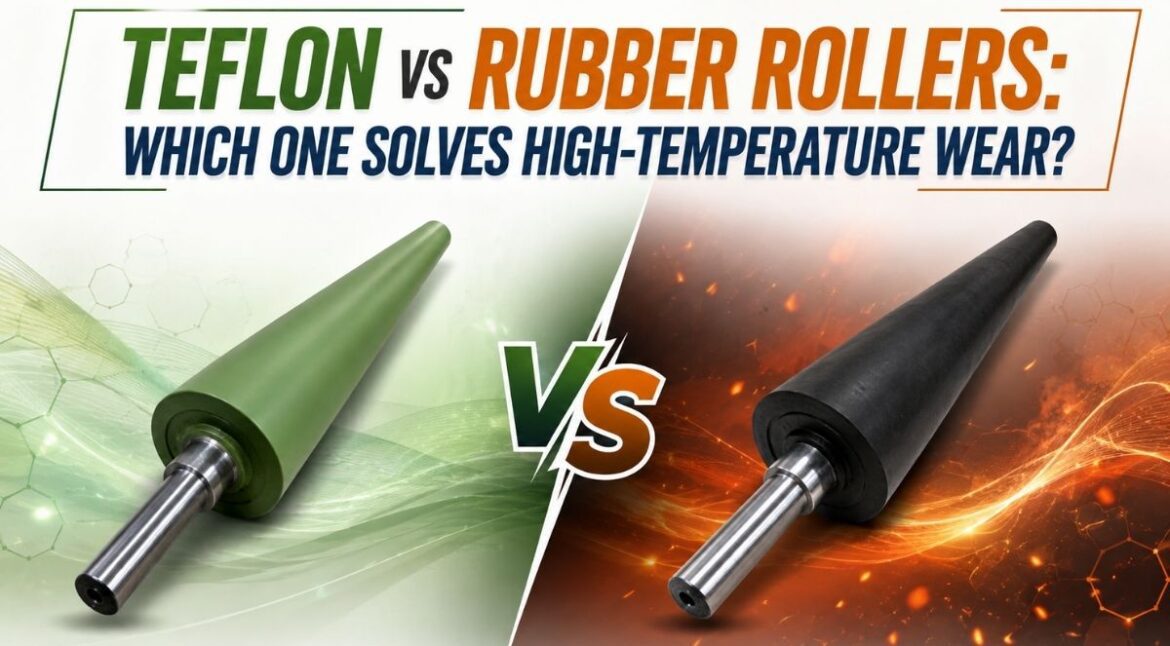
In this detailed guide, we will break down how heat affects both materials, where each type performs best, and how choosing the right Teflon-coated roller can solve severe high-temperature wear once and for all.
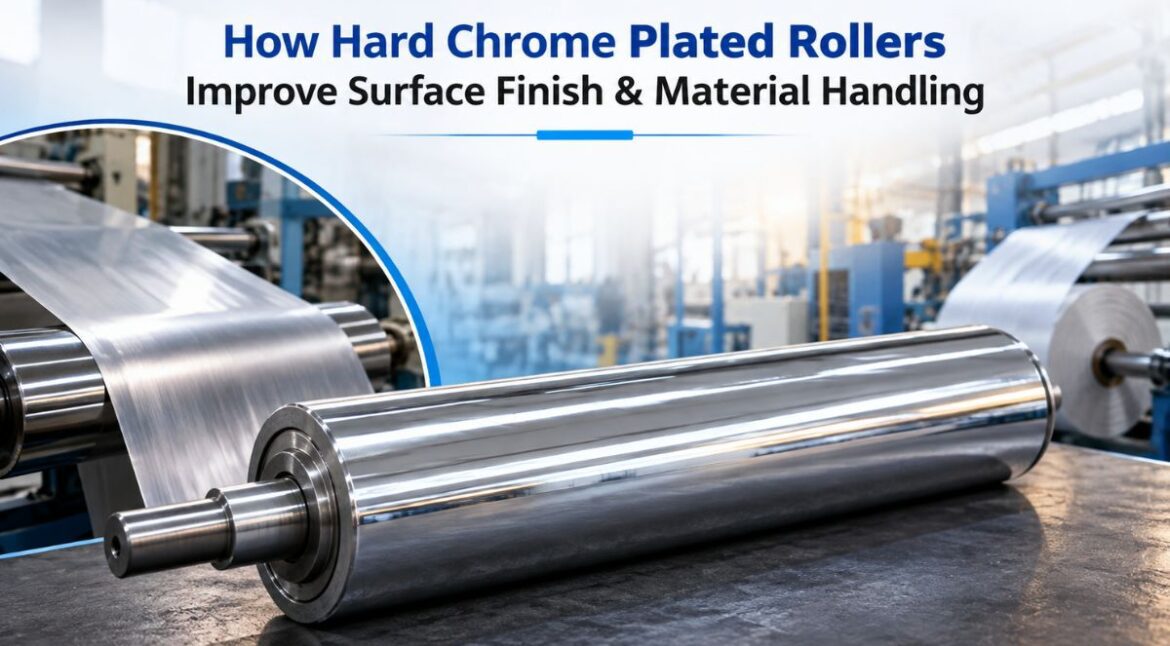
How a custom Chrome Coated Roller addresses web handling friction, and how strategic engineering protects both product quality and long-term operating margins.